Choosing Your Languedoc Wine Trip Base: Montpellier, a Village, or a Domaine
Montpellier delivers evening energy, Pézenas and Uzès offer market-town charm, and a Corbières domaine stay means zero driving after tastings. The smart move is splitting your base.
The Single Base Mistake That Wastes Your Languedoc Wine Trip
The most common error travellers make when planning a Languedoc wine tour is booking a single base and treating the entire region as a day-trip radius. The region is not compact. It stretches from the Rhône to the Pyrenees, a sprawling sun-scorched territory where driving from the coast to a Cathar castle can eat three hours of a day. Park yourself in a single coastal town and try to reach the Corbières hills for a 10 am appointment, the Canal du Midi for a late lunch, then an inland village for dinner. You will spend half the holiday in the car overheating. The smart move is to split the trip: one inland base for the vineyards and medieval villages, one coastal base for the seafood and sea breezes. Five days is the minimum to do this without rushing. Anything less and you either skip the coast or skip the hills.
Choosing the right base comes down to a tradeoff. A city base gives you restaurants, train access, and nightlife but removes you from the vineyards. A village base puts you within walking distance of growers but limits your dinner options to a single square. A vineyard stay on a working estate offers total immersion but demands a car for every meal and outing. None of these is the correct answer. One of them is the correct answer for you.

_Dalmacija_nacrtao_i_narisao_ju_J.J._Pauliny._U_Becu._Nakladom_-_Albrechta_i_Fiedlera_u_Zagrebu._Lith._W._(IA_dr_composite-map-dalmacija-nacrtao-i-narisao-ju-jj-pauliny-u-becu-naklad-13326013).jpg)
Montpellier Écusson: the City Base for Evening Dining and Train Access
If your priority is a restaurant in every direction and the ability to arrive without a rental car, Montpellier Écusson is your only serious option. The Écusson is the honey-coloured limestone maze at the city's core, walkable and elegant, with the Place de la Comédie as its tram hub. Montpellier Saint-Roch station puts you on the TGV line to Nîmes in 30 minutes and to Béziers in 40. That rail access is the main reason to choose the city: arrive from Toulouse or Marseille and begin exploring Roman Nîmes or the Canal du Midi at the Fonseranes locks without touching a steering wheel.
The downside is that Écusson restaurants and bars pull you in a different direction than the vineyards. You spend evenings on a terrace near the opera house rather than on a vineyard terrace watching the sun drop behind the Pic Saint-Loup. And the vineyards themselves are a 25 to 40 minute drive from the city centre. The city base suits the visitor who wants to taste wine during the day and eat well at night, who does not mind driving to the Pic Saint-Loup or Terrasses du Larzac AOCs in the morning and returning to urban energy in the evening. It suits the car-free traveller and anyone on a short stay of three days or fewer. But it is not immersion. It is a daytime hobby with a good dinner at the end.
Who Should Skip Montpellier
Skip the city if your goal is to visit producers in Saint-Chinian or Faugères. Those are a 50 minute drive from the Écusson, and doing that round trip for a single visit is not a relaxed day. Skip it if you want zero driving after 6 pm. The Écusson is for the person who treats the wine tour as one ingredient in a broader city holiday.
Pézenas or Uzès: the Village Base for Walkable History and Market Mornings
If you want a base that itself feels like a destination, choose a historic inland village with a station or short drive to multiple vineyards. Pézenas and Uzès are the two strongest options here, and they serve different kinds of visitors.
Pézenas, Molière's old haunt, is a town of antique shops and artisan courtyards with a Saturday market that fills the main square. From here you can walk to three or more growers on the outskirts without a car, but you will want a car to reach the broader Terrasses du Larzac and Pic Saint-Loup appellations. Saint-Chinian village is another option, walkable to three plus producers directly. Faugères village gives you two plus on foot. The tradeoff is dining. Inland village restaurants in the Languedoc mostly serve lunch and close by 2 pm. Finding dinner after a day of visits means driving to a larger town or booking a farmhouse meal at your accommodation. This is not a problem if you plan for it. It is a problem if you expect to wander out at 8 pm and find three restaurants competing for your custom.
Uzès is more polished, with a Saturday market that draws visitors from across the Gard, and a ducal centre that feels almost Burgundian in its stone grandeur. It is a 30 minute drive to the Terrasses du Larzac vineyards and about 40 minutes to the Pont du Gard. Uzès works best for couples and small groups who want a walkable centre with a few good restaurants and do not mind driving 20 minutes to the next appointment. Both towns suit the market lover who wants a morning of buying cheese and bread and an afternoon of sampling. They suit the one-car group where nobody minds being the designated driver. But they require that driver. Without a car you are confined to the village, and the village is not the region.
The Village Base Catch
The thing to watch is the second half of August, when the A9 and D600 roads clog with holiday traffic. A 20 minute drive from Pézenas to a coastal appointment can stretch to 90 minutes. Book your accommodation with that in mind and plan inland-only itineraries for that week.
A Vineyard Stay in Corbières or Minervois: Total Immersion with a Car Requirement
For the serious wine buyer who wants barrel room access and the ability to drink at dinner without driving anywhere, a stay on a working estate is the right call. These are guest rooms or gîtes on vineyards, usually in the Corbières, Minervois, Saint-Chinian, or Pic Saint-Loup AOCs. Château de Lascaux in Pic Saint-Loup and Domaine de la Dourbie in Terrasses du Larzac are two examples where you sleep on the property, wake up to the vines, and can walk from your room to the tasting room. Many of these estates have a pool, which becomes essential when July and August temperatures hit 35°C. The stone house and the pool are your retreat from the punishing midday heat.
The tradeoff here is that every meal and every non-wine outing requires a drive. Guest rooms usually include breakfast and often offer a farmhouse evening meal on request, which solves dinner. But lunch, groceries, and any sightseeing mean getting in the car. Gîtes are self catering, so you stock the kitchen at a supermarket in the nearest town and cook most of your own meals. The vineyard stay is for the traveller who wants to sample deeply, buy cases, and spend afternoons by the pool reading about the region. It is for longer stays of five nights or more. It is not for the visitor who gets restless after two days in one valley.
Cost wise, a guest room for two people in July and August runs €90 to €160 per night. A two bedroom gîte for a week in peak season runs €700 to €1,500. The minimum stay for a gîte in July and August is seven nights Saturday to Saturday. In shoulder season that drops to three or four nights. If you want a vineyard stay in high season, book between January and March of the same year. That is the peak booking window, and the best properties go first.
Who Should Not Stay On A Vineyard
Skip this option if you are travelling without a car. There is no public transport to rural estates. Skip it if you want variety in your evening dining. The farmhouse meal at your accommodation is excellent but it is the same kitchen every night. Skip it if you are on a short trip of three days or fewer. The drive time to reach a vineyard from the airport and the minimum stay requirements make short visits inefficient.

.jpg)
The Real Pro Move: Split Your Trip Between Inland and Coast
The research dossier on this region is explicit: underestimating the scale is the common mistake, and booking a single base near the coast then attempting day trips to inland Cathar castles in 38°C heat results in hours of exhausting driving. The solution is to split your five plus days. Spend two nights in an inland village like Pézenas or on a vineyard in the Corbières, accessing the Cathar castles of Peyrepertuse and Quéribus and the abbey of Fontfroide. Then move to a coastal base like Sète or Narbonne for two nights, eating oysters in Bouzigues and walking the Canal du Midi at the Fonseranes locks. The drive between the two bases is a straight shot of about 45 to 60 minutes, not a round trip that ruins a day.
This split solves two problems. It puts you close to the inland sights early in the day before the heat peaks. And it puts you on the coast for the evening when the sea breeze arrives and the restaurants along the Bassin de Thau open for dinner. The split also solves the dining problem. Inland you eat lunch at a vineyard or a village restaurant that closes at 2 pm. On the coast you eat dinner at 8 pm at a waterside shack. You get both experiences instead of compromising on one.
Here is the practical breakdown of what each base gives you, stated bluntly:
- Montpellier Écusson: Restaurants, tram, TGV station, nightlife. 25 to 40 minute drive to vineyards. Best for car-free or short stays. Dinner choice is excellent. Immersion is weak.
- Pézenas or Uzès: Walkable centre, market mornings, two to three growers on foot. Requires a car for broader exploration. Dinner options limited to a few restaurants or farmhouse meals. Best for one-car groups who want a scenic home base.
- Vineyard in Corbières or Minervois: On-site sampling, pool, zero driving after dinner. Requires a car for every meal and outing. Best for serious buyers and longer stays. Not for restless travellers.
Your decision comes down to one question: what do you want to do at 8 pm? If the answer is walk to a restaurant with ten choices, choose Montpellier. If the answer is sit on a village square with a glass of local wine and watch the sun go, choose Pézenas or Uzès. If the answer is stay exactly where you are and drink the wine you bought that morning in a vineyard pool, choose an estate. All three are correct. Only one is correct for you.
The One Thing to Do Before You Book
Open Google Maps and draw a circle with a 40-minute drive radius around each potential base. Montpellier covers the Pic Saint-Loup, Terrasses du Larzac, and La Clape AOCs but excludes Saint-Chinian and Minervois. Pézenas covers Saint-Chinian, Faugères, and the northern Corbières but misses the coast. A vineyard in the Minervois covers the Corbières and Limoux but misses the coast entirely. Look at that circle and decide whether you are willing to drive those roads in July and August heat with the tramontane blowing dust across the windscreen. That circle, not a brochure description, will tell you which base you should book.
Common Questions
Can I do a Languedoc wine trip without a car?
Only if you base yourself in Montpellier Écusson or another town on the rail corridor like Narbonne or Béziers. You can take the TER train to Nîmes for the Roman amphitheatre or to Collioure for the port, and you can walk to a handful of growers on the outskirts of Pézenas or Saint-Chinian. But the vineyard estates are dispersed across rural roads with no public transport. Visits require a car or a pre-booked driver. Without a car you are confined to the town base and a few producers within walking distance.
How many days should I plan for a Languedoc wine trip?
Five days minimum, and you should split that time between an inland base and a coastal base. Three days in one location is doable but you will miss either the Cathar castles or the coast. With five days you can do two nights inland and two nights on the coast without spending the entire trip driving.
Which is better, a guest room or a gîte on a vineyard?
A guest room is a bed and breakfast in the host's home. Breakfast is included and a farmhouse evening meal is often available on request. You do not cook. A gîte is a self-catering holiday rental, usually a separate house or apartment. You stock the kitchen and cook your own meals. Choose a guest room if you want social interaction and a hot breakfast. Choose a gîte if you want privacy and the ability to eat on your own schedule. The minimum stay for a gîte in July and August is seven nights Saturday to Saturday, while guest rooms typically have no minimum outside peak weeks.
What is the best month for a Languedoc wine trip?
May, June, and September. July and August bring 35°C heat, coastal traffic, and peak prices. The second half of August is particularly bad because the A9 becomes a parking lot during the French exodus. June gives you long daylight, reasonable temperatures, and the pre-harvest calm in the vineyards. September gives you the start of the vendange and still-warm weather.
Can I stay in Carcassonne Cité as my base?
You can, but the Cité is souvenir-saturated and expensive. The Bastide Saint-Louis on the lower side of the river is the lived-in part of town with better prices and real restaurants. For a wine trip, Carcassonne is best used as a single day visit to walk the ramparts (free) and tour the inner château (paid ticket). Base yourself in a wine-focused town like Pézenas or on a vineyard in the Corbières instead.
What about the mistral wind? Does it affect wine trips?
The local wind is called the tramontane, not the mistral. It can blow at 90 km/h for days, making beach visits miserable and whipping up dust inland. It is most common in spring and autumn. If you are on a vineyard with a pool, the wind can make terrace meals unpleasant. Check the forecast before you book and consider a property with a sheltered courtyard or indoor common space if you are travelling in March through May or October through November.
Do I need to speak French to visit rural vineyards?
Yes, basic French is required beyond the coast. In Montpellier and Sète you will find English-speaking staff at hotels and restaurants. In the rural Minervois and Corbières villages, many winemakers do not speak English. Learn how to order, say thank you, and ask basic questions about the wine. It makes a significant difference in the quality of the experience.
Read next
-
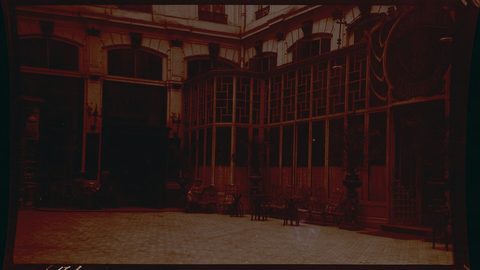
 Languedoc Hotels Town Stays Château Rooms and Chain Options Reviewed
Languedoc hotels range from Montpellier Écusson boutiques to Corbières château rooms and Béziers chain stays with easy parking. Summer availability disappears fast.
Languedoc Hotels Town Stays Château Rooms and Chain Options Reviewed
Languedoc hotels range from Montpellier Écusson boutiques to Corbières château rooms and Béziers chain stays with easy parking. Summer availability disappears fast.
-
 Flying into Languedoc via Montpellier, Toulouse, Carcassonne and Béziers
Montpellier and Toulouse are the main gateways to Languedoc, while Carcassonne and Béziers offer seasonal budget flights closer to the vineyards.
Flying into Languedoc via Montpellier, Toulouse, Carcassonne and Béziers
Montpellier and Toulouse are the main gateways to Languedoc, while Carcassonne and Béziers offer seasonal budget flights closer to the vineyards.
-
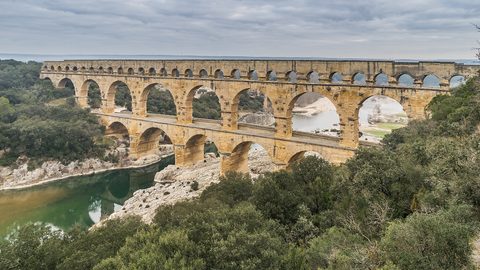 Montpellier Things to Do Beyond Wine Tasting and the Écusson Maze
Montpellier offers Romanesque churches, France's oldest botanical garden, and a major fine arts museum all within a walkable honey-stone old town.
Montpellier Things to Do Beyond Wine Tasting and the Écusson Maze
Montpellier offers Romanesque churches, France's oldest botanical garden, and a major fine arts museum all within a walkable honey-stone old town.
-
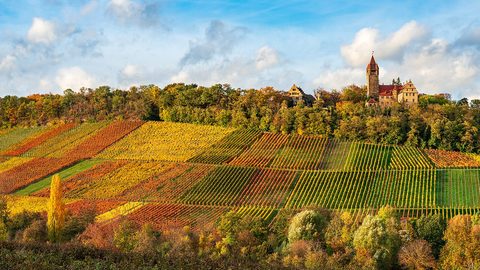 Best Time to Visit Montpellier and the Languedoc Coast
May, June and September offer warm days without the August traffic gridlock, 35°C heat, and packed coastal resorts.
Best Time to Visit Montpellier and the Languedoc Coast
May, June and September offer warm days without the August traffic gridlock, 35°C heat, and packed coastal resorts.
-
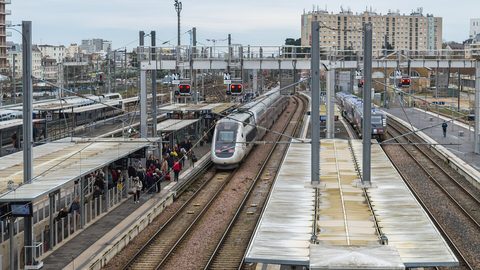 Getting Around Montpellier and Languedoc Wine Country Without Stress
A rental car is essential for inland Languedoc, but Montpellier's trams and regional TER trains serve the coast and cities well.
Getting Around Montpellier and Languedoc Wine Country Without Stress
A rental car is essential for inland Languedoc, but Montpellier's trams and regional TER trains serve the coast and cities well.
-
 Languedoc Itinerary for One Week, Ten Days and Two Weeks
Split a Languedoc trip between a coastal base like Montpellier and an inland base in the Minervois or Corbières to avoid exhausting day trips.
Languedoc Itinerary for One Week, Ten Days and Two Weeks
Split a Languedoc trip between a coastal base like Montpellier and an inland base in the Minervois or Corbières to avoid exhausting day trips.
-
 French Wine Regions and How a Trip Through Them Actually Works
How to plan a multi-region French wine trip that connects the dots between vineyards without spending every day driving, with Languedoc as the value-driven heart.
French Wine Regions and How a Trip Through Them Actually Works
How to plan a multi-region French wine trip that connects the dots between vineyards without spending every day driving, with Languedoc as the value-driven heart.
-
 Visiting French Wineries Appointments Etiquette and What It Costs
French winery visits differ sharply from New World cellar doors. Appointments, modest fees, and knowing when to spit are the norm, especially in Languedoc's working domaines.
Visiting French Wineries Appointments Etiquette and What It Costs
French winery visits differ sharply from New World cellar doors. Appointments, modest fees, and knowing when to spit are the norm, especially in Languedoc's working domaines.
-
 Vendange Harvest Season in France What It Means for Visitors
France's vendange transforms wine regions from late August. Domaines close to visitors, tractors block roads, but the harvest energy is unforgettable if you know where to go.
Vendange Harvest Season in France What It Means for Visitors
France's vendange transforms wine regions from late August. Domaines close to visitors, tractors block roads, but the harvest energy is unforgettable if you know where to go.