Nine Corsican Appellations and the Granite They Grow On
Corsica makes wine from grapes that grow nowhere else, rooted in granite and sea spray. Nine appellations define the island's fiercely independent wine culture.
- Flag
-

- ISO code
- FR
- Population
- 54,364
- Currency
- EUR
- Timezone
- Europe/Paris
The Geology of Corsican Wine
You have tasted Burgundy. You have tasted Bordeaux. You know what French wine tastes like. None of that will prepare you for Corsica. What makes Corsican wine distinct from every other French wine region? A collision of geology and isolation. Two thirds of the island is granite. The remaining third is schist. The grapes that grow here, Sciaccarellu, Niellucciu, Vermentinu, exist nowhere else on the mainland. Corsica has nine AOC appellations, each one a separate argument about how a mountain rising from the sea can shape a wine. This is not a guide to visiting the beaches. Understanding Corsican wine means walking through nine appellations, the granite and schist they grow on, and exactly how to taste the difference.
Skip the AOC generic labels at the supermarket. The nine AOCs are Patrimonio, Ajaccio, Figari, Porto Vecchio, Cap Corse, Calvi, Sartene, Muscat du Cap Corse, and Corse Coteaux du Cap Corse plus the island wide Corse AOC. You will find the best expressions of the island in the smallest appellations. Plan your route around the bedrock.

- Number of AOC Appellations: 9
- Island Bedrock Composition: Two thirds granite (south west), one third schist (north east)
- Primary Indigenous Red Grapes: Sciaccarellu (Ajaccio, south) and Niellucciu (Patrimonio, a Sangiovese clone)
- Annual Sunshine Hours: 2,700 to 2,800
- Optimal Wine Visit Months: May to June, September to October
- August Population Multiplier: Roughly 3 times the resident population
- Driving Time Bastia to Ajaccio: 2 hours 30 minutes to 3 hours for 150 km
The Geology Behind the Glass
Granite Versus Schist
Geology is not background context. It is the point. Corsica is a mountain range that broke off from mainland Europe and drifted into the Mediterranean. The southwest is granite, ancient and mineral poor, forcing the vine to dig deep. The northeast is schist, layered and crumbling, holding heat and draining fast. The difference between a Sciaccarellu grown on granite and a Niellucciu grown on limestone clay is not subtle. One tastes of smoke and crushed rocks. The other gives wild cherry and a tannic bite that demands food.
Patrimonio: The Benchmark Appellation
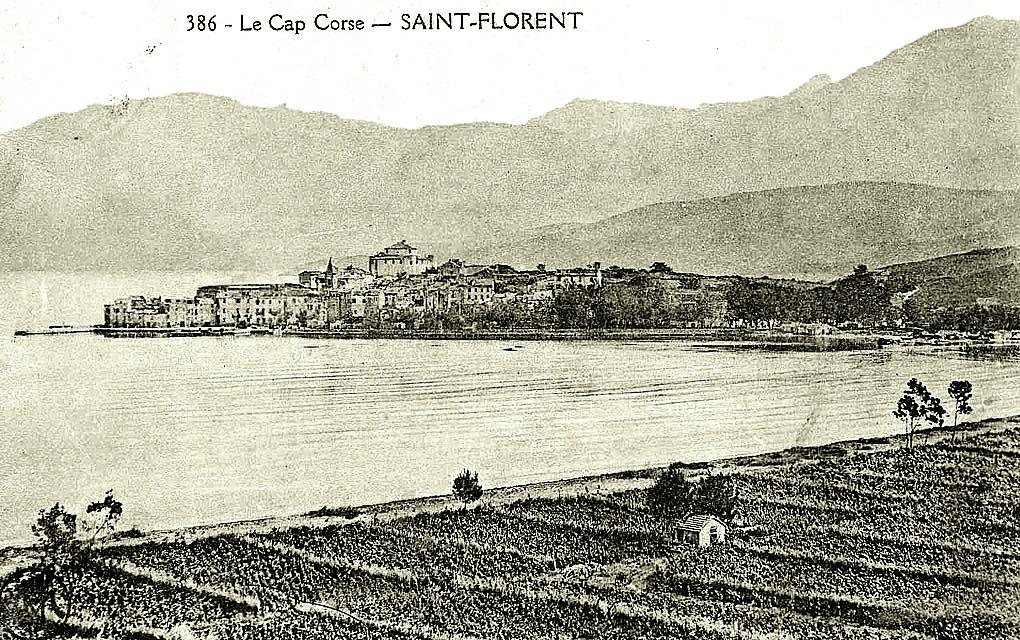
Patrimonio is the most famous appellation for a reason. Its soils are limestone clay and schist, a combination that ripens Niellucciu into structured reds that age for a decade. Antoine Arena and Yves Leccia, two natural wine growers to seek out, both work here. Book a visit at Domaine Arena by email at least a week ahead in high season. Do not arrive in August. The roads from Saint Florent into the Patrimonio hills become a slow crawl of rental cars and camper vans from late morning until dusk. Go in June instead. The maquis is in flower. The wind is manageable. The winemakers have time to talk.
Ajaccio, Figari, and the Granite South
Ajaccio and the Sciaccarellu Grape
Ajaccio sits on the west coast, and its appellation is granite through and through. This is where Sciaccarellu is the star, producing reds that are pale in colour and explosive in perfume, notes of wild strawberry, white pepper, and the herbaceous scrub known as maquis. Domaine Comte Abbatucci in the Taravo valley and Domaine de Vaccelli nearby are the two producers to prioritise. Their wines taste of their coordinates. You cannot find this flavour anywhere on the mainland. The difference between a Corsican Sciaccarellu and a mainland French red is the difference between a wild herb garden and a cultivated kitchen plot.
Figari and Porto Vecchio: One Day, Two Altitudes
Figari and Porto Vecchio share the same geological logic: granite and alluvial soils in the south. Clos Canarelli in Figari is the benchmark. Their white from Vermentinu, aged on lees, will reframe what you think a Mediterranean white can be. If you have one day for visits in the south, start at Figari in the morning and finish at Porto Vecchio in the late afternoon. The distance between them is short. The altitude runs from sea level up to 500 metres, which means the same grape variety tastes different at the top of the slope than at the bottom. That is not theory. That is detectable in the glass.
Cap Corse, Calvi, and the Schist North
Cap Corse: Sweet Wine and Coastal Slopes
The northern peninsula of Cap Corse is a separate world. Muscat du Cap Corse is a sweet wine made from Muscat Blanc a Petits Grains, grown on schist terraces that drop straight into the sea. The appellation is tiny. The wine is golden, honeyed, and saline. Drink it with Roquefort or with a plate of the local brocciu cheese. The Coteaux du Cap Corse appellation produces red and rose from the same slopes. Domaine Maestracci in Calvi is a reliable entry point to the western side of the north. Their rose, bottled under the name Clos Reginu, is one of the best value wines on the island. Buy it by the case at the domaine. You will not find it exported widely.
Driving Times and Timing Your Trip
The driving times in Corsica are deceptive. Calvi to Bastia is 95 kilometres but takes 1 hour 45 minutes to 2 hours on winding coastal roads. Do not attempt a day trip from Calvi to Patrimonio and back. Base yourself in Bastia for the north and drive out to Patrimonio and Cap Corse on separate days. August is the month to skip entirely. The island population multiplies by roughly three times the resident figure. Wineries are overwhelmed. Visits are rushed. The optimal window is May through June or September through October, when the harvest begins in late August or early September depending on the vintage. In 2026, expect harvest to start in the last week of August.

How to Taste Without Wrecking Your Day
Spit, Hire, or Walk
Driving and wine visits are incompatible in France. The legal blood alcohol limit is 0.5 grams per litre. For probationary drivers, it is 0.2 grams per litre. One glass of wine at lunch puts you over the limit. The practical solution is not to skip the rooms. It is to use the spittoon at every stop. That is what it is there for. If you cannot spit, hire a driver. Several local chauffeur services operate from Bastia and Ajaccio. Book them a week ahead in high season. Another option is to base yourself within walking distance of cellar doors. Patrimonio village has several domaines within a short walk. Ajaccio has rooms in the town centre. E bikes are a viable alternative for the flatter routes near the coast, but the hills inland will punish a standard bicycle. Bring an e bike or skip the pedal option.
Plan Around the Map, Not the Clock
Do not book accommodation on the east coast and try to reach Calvi for an afternoon appointment. You will spend four hours in the car for one visit. Plan around the geography. The southern appellations of Figari and Porto Vecchio sit together. The northern ones of Patrimonio and Cap Corse sit together. Ajaccio and Sartene form a west coast corridor. Calvi is isolated in the northwest. The CORSE AOC label covers the entire island, but it is a blending appellation, not a place specific wine. Skip the generic CORSE bottles and hunt for the village named AOCs.
The Next Step is a Map and a Phone Call
You now know what makes Corsican wine distinct: the granite and schist bedrock, the indigenous grapes that grow nowhere else, and the nine appellations that enforce those differences in law and in flavour. The single most practical thing you can do next is open a map of Corsica, draw a line around the appellations that match your taste, and email the domaines listed here to book visits for late September 2026. Do not wait until August. By July, the best appointments will be taken. Send the emails now. The wines will not taste the same if you arrive without planning.
More on Ajaccio
Common Questions
What Is The Most Unique Grape To Taste On Corsica?
Sciaccarellu, grown on granite in the Ajaccio appellation. Its flavour of wild herbs and crushed stone has no equivalent anywhere in mainland France.
Which Appellation Produces The Best Ageing Reds?
Patrimonio. Niellucciu on limestone clay and schist gives structure and tannins that reward five to ten years of bottle age. Seek out producers like Antoine Arena or Yves Leccia.
When Is The Worst Month To Visit For Wine?
August. The population swells to roughly three times the resident count. Wineries are crowded and harvest labour reduces availability. Go in September or October instead.
Can I Reach The Vineyards Without A Car?
Not easily. Rural bus services are skeletal. Use a hired driver, an e bike on flat coastal routes, or base yourself within walking distance of cellar doors in Patrimonio or Ajaccio.
What Sweet Wine Should I Try From Corsica?
Muscat du Cap Corse, made from Muscat Blanc a Petits Grains on schist terraces above the sea. It is golden, honeyed, and saline. Pair it with Roquefort or brocciu cheese.
Which Natural Wine Growers Should I Prioritise?
Antoine Arena and Yves Leccia in Patrimonio. Domaine Comte Abbatucci and Domaine de Vaccelli in Ajaccio. Clos Canarelli in Figari. Domaine Maestracci in Calvi. Book ahead.
How Do I Taste Without Breaking The Drink Driving Limit?
Spit at every stop. The legal alcohol limit is 0.5 g/L. One glass of wine at lunch exceeds it. If you cannot spit, hire a chauffeur or walk from a nearby base.
Read next
-
 Where to Stay in Ajaccio for a Corsican Wine Trip
Where to stay in Ajaccio for a Corsican wine trip: portside hotels, countryside domaine guest rooms, and Sanguinaires coast options for different trip styles.
Where to Stay in Ajaccio for a Corsican Wine Trip
Where to stay in Ajaccio for a Corsican wine trip: portside hotels, countryside domaine guest rooms, and Sanguinaires coast options for different trip styles.
-
 Best Time to Visit Ajaccio for Wine, Walking and a Quiet Swim
A seasonal guide to visiting Ajaccio and West Corsica, comparing the crowded summer beach months with the ideal spring and autumn windows for wine tasting and hiking.
Best Time to Visit Ajaccio for Wine, Walking and a Quiet Swim
A seasonal guide to visiting Ajaccio and West Corsica, comparing the crowded summer beach months with the ideal spring and autumn windows for wine tasting and hiking.
-
 Getting Around Corsica Car Rental Roads and Driving Tips
Getting around Corsica for a wine trip: why a rental car is essential, how to book an automatic in advance, and what to expect on the D80 Cap Corse corniche and mountain roads.
Getting Around Corsica Car Rental Roads and Driving Tips
Getting around Corsica for a wine trip: why a rental car is essential, how to book an automatic in advance, and what to expect on the D80 Cap Corse corniche and mountain roads.
-
 Eating in Ajaccio and the Gravona Valley, from Charcuterie to Chestnut Cake
Explore Ajaccio's food scene from the vibrant central market to farm restaurants in the Gravona Valley, focusing on local charcuterie, brocciu cheese, and chestnut flour desserts.
Eating in Ajaccio and the Gravona Valley, from Charcuterie to Chestnut Cake
Explore Ajaccio's food scene from the vibrant central market to farm restaurants in the Gravona Valley, focusing on local charcuterie, brocciu cheese, and chestnut flour desserts.
-
 French Wine Regions and How a Trip Through Them Actually Works
How to plan a multi-region French wine trip that connects the dots between vineyards without spending every day driving, with Languedoc as the value-driven heart.
French Wine Regions and How a Trip Through Them Actually Works
How to plan a multi-region French wine trip that connects the dots between vineyards without spending every day driving, with Languedoc as the value-driven heart.
-
 Corsica vs Sardinia Wine Two Island Wine Cultures Compared
Corsica or Sardinia for a wine trip: comparing the AOC and DOC systems, Patrimonio versus Cannonau, and the driving routes across two distinct island wine cultures.
Corsica vs Sardinia Wine Two Island Wine Cultures Compared
Corsica or Sardinia for a wine trip: comparing the AOC and DOC systems, Patrimonio versus Cannonau, and the driving routes across two distinct island wine cultures.