Natural Wine in France, What It Means and Where to Taste It Around Montpellier
Natural wine in France means wild-yeast fermentation and minimal additives, and Montpellier's Écusson cavistes and Pic Saint-Loup domaines are the Languedoc's best entry points.

.jpg)
What Natural Wine Means in France and How to Taste it Around Montpellier
Walk into La Part des Anges on Rue de l'Université in the Écusson at 6 p.m. The chalkboard lists five Languedoc reds you have never heard of. None costs more than €8 a glass. The owner asks if you prefer wines from schist or limestone soils. This is Montpellier's natural wine corridor: a practical entry point into a movement with deep Languedoc roots but no official definition in French law. Here is what the term means and exactly where to taste it in and around the city.
Natural wine has no legal category in France. The grower consensus defines it by what is left out. No cultured yeasts. Fermentation starts with wild yeasts living on the grape skins. No additives except minimal sulphites at bottling. No fining or filtration, which is why many bottles appear cloudy or carry a slight haze. No corrective techniques like reverse osmosis. The maximum total sulphur dioxide addition most natural producers accept is 30 mg/L for reds and 40 mg/L for whites. Many add zero.
Now compare that to EU organic certification under Regulation 2018/848. It permits cultured yeasts, certain additives, and up to 100 mg/L SO₂ for dry reds and 150 mg/L for dry whites. Organic does not equal natural. Biodynamic certification from Demeter requires organic status plus adherence to biodynamic preparations and a lunar calendar, but allows sulphites within organic limits. Natural wine sits outside all three frameworks.
The Sensory Markers You Will Encounter
Conventional drinkers sometimes call these faults. Slight volatile acidity gives a lifted, cider like note. Brettanomyces adds barnyard or clove. Reductive notes smell like struck match. At low levels these compounds add complexity. At elevated levels they are technical faults. Natural wine producers accept that risk.
Where to Taste Natural Wine in Montpellier
Montpellier's Écusson is a honey coloured limestone maze of pedestrian streets. Three addresses form the core of the city's natural wine scene.
La Part Des Anges
3 Rue de l'Université. This bar is the most focused natural wine specialist in the Écusson. They pour by the glass from small producers you will not find in supermarkets. Arrive before 7 p.m. for a seat at the zinc counter. By 9 p.m. it is standing room only. Ask which Pic Saint Loup or Terrasses du Larzac bottle they just opened. The owner answers in French or English and will tell you the producer's sulphite approach unprompted.
Les Bistronomes
4 Rue du Pila Saint Gély, a five minute walk from Place de la Comédie. This is a bar that doubles as a bottle shop. The list leans toward Languedoc growers but includes Jura and Loire bottles. Glasses run €6 to €10. They stay open later than La Part des Anges, until around 11 p.m. This matters if you arrive after a long winery day and need a glass before the city shuts down for dinner.
La Cave Des Arceaux
29 Boulevard des Arceaux, just outside the Écusson on the way to the Peyrou promenade. This is a caviste, not a bar. You buy bottles here, not glasses. The selection covers the full Languedoc subzones: Terrasses du Larzac, Pic Saint Loup, Faugères, Saint Chinian, Corbières Boutenac. Ask for a producer working with native yeasts and they will point you to Léon Barral from Faugères or Mas Coutelou from Puimisson without a lecture. Buy a bottle and walk five minutes to the Arc de Triomphe. Drink it on the Peyrou park steps.
Maison Régionale Des Vins
34 Rue Saint Guilhem in the Écusson. Check its hours before walking over; the opening schedule is irregular. When open, it functions as a regional wine shop with a strong lean toward low intervention Languedoc producers. Useful if you want to compare bottles from multiple estates in one stop.
Natural Wine Domaines to Visit Outside the City
The region's production concentrates in the schist hills north of Montpellier. Schist dominates the hillsides, with limestone and clay in lower parcels. A rental car is non negotiable. Book automatic cars weeks in advance. The drive from the Écusson to the Pic Saint Loup area takes 30 minutes without traffic.
Léon Barral (Faugères)
One of the most respected natural wine estates in France. They work entirely without additives. Their reds from Carignan, Cinsault, Grenache and Mourvèdre run 12.5 to 14.5 percent ABV. Call ahead to arrange a tasting in French. English is limited. The estate is 45 minutes northwest of Montpellier.
Mas Coutelou (Puimisson)
Jeff Coutelou produces some of the most sought after bottles in the Languedoc. Zero additives, zero sulphites in many cuvées. The property is near Pézenas, 40 minutes west of Montpellier. Tastings require an appointment. Do not show up unannounced.
Domaine D'Aupilhac (Montpeyroux)
Located in the Terrasses du Larzac subzone, 35 minutes north of Montpellier. Sylvain Fadat works with native yeasts and minimal sulphur. His reds blend Carignan and Grenache on limestone clay soils. The tasting room opens afternoons except Sunday. Arrive by 14:30 to beat the heat.
Domaine Turner Pageot (Gabian)
A low intervention property in the Faugères appellation, 50 minutes from Montpellier. They farm without chemicals and avoid filtration. The whites from Grenache Blanc and Macabeu run 11.5 to 13.5 percent ABV. Email before driving. The rural road network around Gabian is narrow and 4G coverage drops in the surrounding hills.
What to Ask Instead of "Vin Nature"
At any estate, avoid asking "Est ce que c'est un vin nature?" The term is polarising and undefined in law. Instead ask "Est ce que vous travaillez avec des levures indigènes?" (Do you work with native yeasts?) or "Quelle est votre approche pour les sulfites?" (What is your approach to sulphites?). These questions get a direct answer without triggering a debate about labels.

.jpg)
Read next
-
 Languedoc Hotels Town Stays Château Rooms and Chain Options Reviewed
Languedoc hotels range from Montpellier Écusson boutiques to Corbières château rooms and Béziers chain stays with easy parking. Summer availability disappears fast.
Languedoc Hotels Town Stays Château Rooms and Chain Options Reviewed
Languedoc hotels range from Montpellier Écusson boutiques to Corbières château rooms and Béziers chain stays with easy parking. Summer availability disappears fast.
-
 Where to Base a Languedoc Wine Trip Town Village or Domaine Stay
Montpellier delivers evening energy, Pézenas and Uzès offer market-town charm, and a Corbières domaine stay means zero driving after tastings. The smart move is splitting your base.
Where to Base a Languedoc Wine Trip Town Village or Domaine Stay
Montpellier delivers evening energy, Pézenas and Uzès offer market-town charm, and a Corbières domaine stay means zero driving after tastings. The smart move is splitting your base.
-
 Flying into Languedoc via Montpellier, Toulouse, Carcassonne and Béziers
Montpellier and Toulouse are the main gateways to Languedoc, while Carcassonne and Béziers offer seasonal budget flights closer to the vineyards.
Flying into Languedoc via Montpellier, Toulouse, Carcassonne and Béziers
Montpellier and Toulouse are the main gateways to Languedoc, while Carcassonne and Béziers offer seasonal budget flights closer to the vineyards.
-
 Montpellier Things to Do Beyond Wine Tasting and the Écusson Maze
Montpellier offers Romanesque churches, France's oldest botanical garden, and a major fine arts museum all within a walkable honey-stone old town.
Montpellier Things to Do Beyond Wine Tasting and the Écusson Maze
Montpellier offers Romanesque churches, France's oldest botanical garden, and a major fine arts museum all within a walkable honey-stone old town.
-
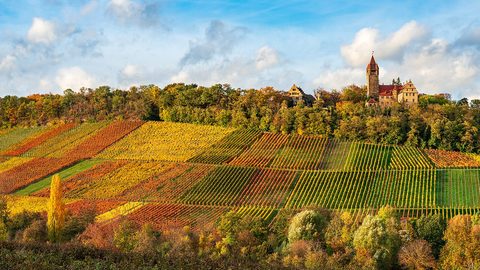 Best Time to Visit Montpellier and the Languedoc Coast
May, June and September offer warm days without the August traffic gridlock, 35°C heat, and packed coastal resorts.
Best Time to Visit Montpellier and the Languedoc Coast
May, June and September offer warm days without the August traffic gridlock, 35°C heat, and packed coastal resorts.
-
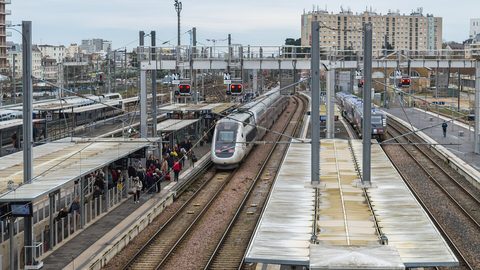 Getting Around Montpellier and Languedoc Wine Country Without Stress
A rental car is essential for inland Languedoc, but Montpellier's trams and regional TER trains serve the coast and cities well.
Getting Around Montpellier and Languedoc Wine Country Without Stress
A rental car is essential for inland Languedoc, but Montpellier's trams and regional TER trains serve the coast and cities well.
-
 French Wine Regions and How a Trip Through Them Actually Works
How to plan a multi-region French wine trip that connects the dots between vineyards without spending every day driving, with Languedoc as the value-driven heart.
French Wine Regions and How a Trip Through Them Actually Works
How to plan a multi-region French wine trip that connects the dots between vineyards without spending every day driving, with Languedoc as the value-driven heart.
-
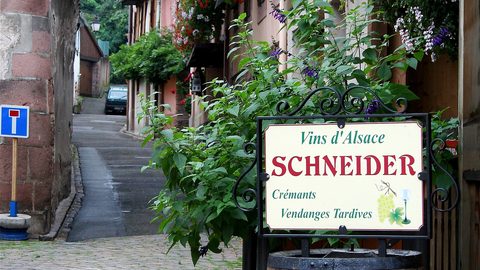 Visiting French Wineries Appointments Etiquette and What It Costs
French winery visits differ sharply from New World cellar doors. Appointments, modest fees, and knowing when to spit are the norm, especially in Languedoc's working domaines.
Visiting French Wineries Appointments Etiquette and What It Costs
French winery visits differ sharply from New World cellar doors. Appointments, modest fees, and knowing when to spit are the norm, especially in Languedoc's working domaines.
-
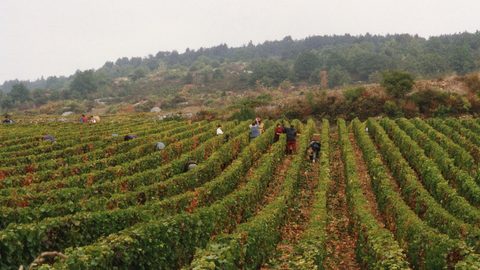 Vendange Harvest Season in France What It Means for Visitors
France's vendange transforms wine regions from late August. Domaines close to visitors, tractors block roads, but the harvest energy is unforgettable if you know where to go.
Vendange Harvest Season in France What It Means for Visitors
France's vendange transforms wine regions from late August. Domaines close to visitors, tractors block roads, but the harvest energy is unforgettable if you know where to go.