Carcassonne Beyond the Citadel Walls Into the Cabardès
Carcassonne's walled citadel is breathtaking and besieged by crowds. The real town lies across the river, and the Cabardès vineyards roll away to the north.
- Flag
-

- ISO code
- FR
- Population
- 49,600
- Currency
- EUR
- Timezone
- Europe/Paris
Carcassonne Beyond the Citadel Walls Into the Cabardès
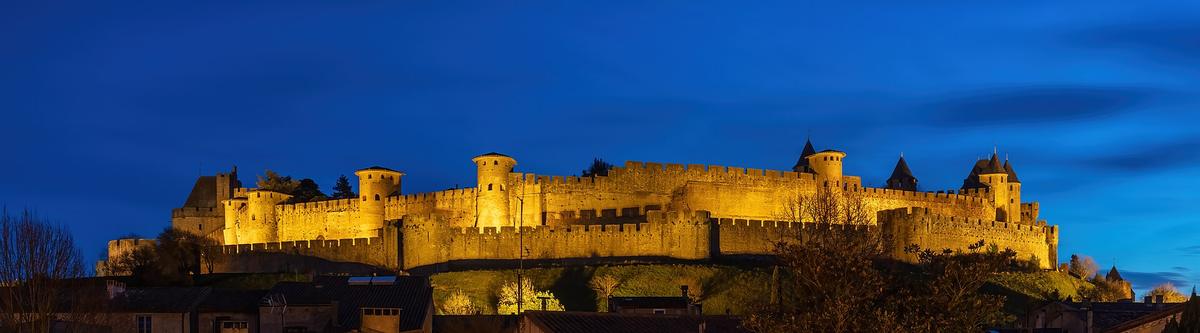
The Cité de Carcassonne is the problem. You have seen the pictures, booked the flights, and now you face a wall-to-wall shuffle of souvenir stalls, selfie sticks, and €8 ice creams under a July sun that hits 35°C. The magic is real. The madness is worse than the photos suggest. Here is how you experience the fortress without letting it ruin your trip, then escape into the town and vineyards that most visitors never reach.
Book the Château Comtal ticket online the night before. The inner castle requires a paid entry, and the queue at the ticket booth eats 40 minutes of your morning. Enter the Cité through the Porte d'Aude on the western side; it is quieter than the main Porte Narbonnaise and drops you straight into the 12th-century fabric. Walk the ramparts between 10:00 and 11:30 in July and August, or after 16:00, when the tour groups have moved on to lunch and the heat softens. The ramparts walk is free, but last entry is 30 minutes before the 18:30 close. Skip the ramparts entirely on 1 January, 1 May, and 25 December, when the whole site closes.
Understand what you are looking at. The fortifications began in the 12th century, but the pointy slate roofs you see were a 19th-century invention. Eugène Viollet-le-Duc restored the fortress between 1853 and 1879 and replaced the original terracotta tile roofs with northern-style slate, a choice that remains controversial among purists. UNESCO inscribed the Cité in 1997, which sealed its popularity and its problem. The Cité is not a living medieval town. It is a monument, and the shops inside sell to people who will be gone by dinner.
Do not be one of those people. Cross the Aude River into the Bastide Saint-Louis, founded in 1260, and you find Carcassonne's actual daily life. The grid of streets centres on Place Carnot, where a market runs Tuesday, Thursday, and Saturday from 07:00 to 13:00. Buy cheese, bread, and a rotisserie chicken. Drink an espresso standing at a zinc counter and watch locals do their shopping. The Bastide has the hotels where locals stay, the restaurants where they eat, and the quiet that the Cité lacks after dark. Dinner here costs half what you pay inside the walls and tastes twice as good.
If you arrive at Carcassonne Airport (CCF), a taxi into the Cité costs €15 to €20 and takes 15 minutes. Ryanair operates year-round from London Stansted and Manchester, with seasonal routes from East Midlands, Edinburgh, Glasgow Prestwick, Charleroi, Dublin, and Porto. Those routes change annually, so check the airline's schedule for your dates. The airport is 3 km from the city centre, close enough that you can be on the ramparts within 30 minutes of landing.

The Cabardès: the Vineyard You Have Not Heard of
What Makes Cabardès Different
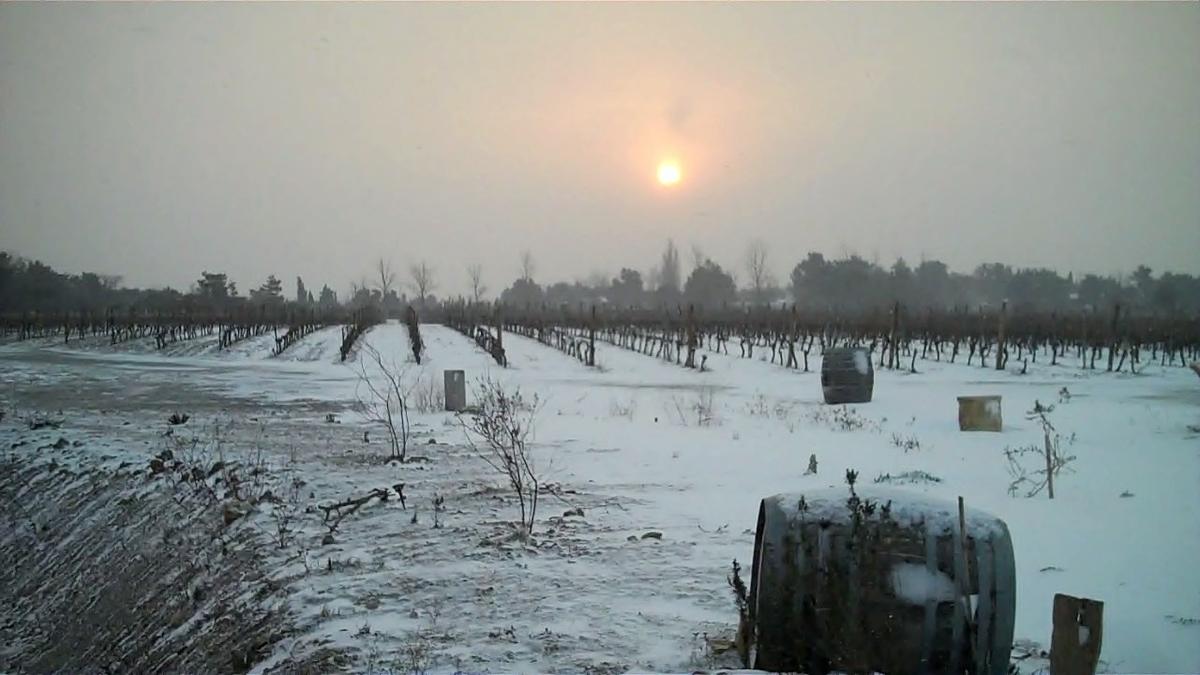
The vineyards north of Carcassonne are what the Languedoc used to taste like before the wine critics discovered it. The Cabardès AOC, designated in 1999, enforces a bizarre and brilliant rule: every red must contain a minimum of 40% Atlantic grape varieties (Merlot, Cabernet Sauvignon, Cabernet Franc, Cot) and a minimum of 40% Mediterranean varieties (Syrah, Grenache). The result is a wine that has structure from the north and sun from the south, drinkable young but capable of ageing. Bottles cost €8 to €15 at the domaine door.
How To Taste The Region
Drive north from Carcassonne on the D118 and D43. The vineyards climb into the Montagne Noire foothills, and the traffic disappears. Aim for Domaine de la Métairie d'Alon or Château de Pennautier for tastings that require no appointment. Most domaines close for lunch between 12:30 and 14:00, and many are family-run operations where the winemaker pours the glass. Buy a case. It fits in the rental car boot, and the difference between estate price and what you pay at home covers your dinner.
How The AOCs Compare
Compare the Cabardès to its neighbours to understand the choice. The Minervois AOC, designated 1985, covers 61 communes and requires a minimum 60% Syrah, Mourvèdre, or Grenache in reds. The Malepère AOC, designated 2007, demands at least 50% Merlot and at least 20% Cot or Cabernet Franc. Cabardès sits between them geographically and stylistically, less famous than Minervois, more Atlantic-influenced than Malepère. For the visitor, the question is not which is better but which you can reach without a two-hour drive. Cabardès is 20 minutes from the Cité. Minervois is 45. Malepère is 30. Start with the closest one.
| AOC | Year Designated | Blend Rule | Drive From Cité |
|---|---|---|---|
| Cabardès | 1999 | Min. 40% Atlantic (Merlot, Cabernet Sauvignon, Cabernet Franc, Cot) + min. 40% Mediterranean (Syrah, Grenache) | 20 minutes north |
| Minervois | 1985 | Min. 60% Syrah, Mourvèdre, Grenache combined in reds | 45 minutes east |
| Malepère | 2007 | Min. 50% Merlot + min. 20% Cot or Cabernet Franc | 30 minutes west |
When to Be Where: Crowd Timing and the July 14th Trap
Peak Season Survival
Peak season runs July and August. Coastal populations multiply by ten, temperatures hit 35°C, and accommodation prices peak. The Cité receives its worst crowds between 11:00 and 15:00 when the day-tripper buses arrive from Toulouse and Montpellier. Arrive at the Cité ramparts for the 10:00 opening in July and August, leave by 12:30. Eat lunch in the Bastide Saint-Louis, return after 16:00 for photographs in the long light and a glass of wine at a terrace on the north side, where the breeze from the Montagne Noire cools the stone.
The Fireworks And The Exodus
Do not underestimate the July 14th fireworks. The display over the Cité is spectacular. The crush before and after is dangerous. The narrow medieval streets become a single human current with no exits. If you want to see the fireworks, watch from the Bastide side of the Aude River or from a vineyard hill north of the city, where you see the explosions above the walls and can walk to your car in five minutes. Avoid the second half of August entirely. The A9 autoroute turns into a parking lot during the French and European exodus, and the heat and the mosquitoes in the Camargue and Etang de Thau area make evening terraces miserable without repellent.

Getting Around and What Breaks the Trip
Rent a car. You cannot explore the Cabardès, the Cathar castles, or the Canal du Midi locks without one. Book an automatic weeks in advance, not days. The rural network is skeletal, and relying on public transport confines you to the Cité and the Bastide. The thing that trips visitors up is the priorité à droite rule: in villages, cars entering from side streets on your right have the right of way. Locals know this and pull out without slowing. You must yield.
Budget five minimum days. Split them between an inland base like Carcassonne or Lagrasse and the coast, or you spend the entire trip in the car. A single base near the coast with day trips to inland Cathar castles in August heat results in hours of exhausting driving, not a relaxed holiday. Download offline maps before you head into the Haut Languedoc backcountry; 4G drops to zero in the deep gorges of the Caroux and in many Cathar castle car parks.
What to See in Carcassonne
Common Questions
How do I avoid the worst crowds at the Cité de Carcassonne?
Enter through the Porte d'Aude before 11:00 or after 16:00. Skip July and August if you can. For the July 14th fireworks, watch from the Bastide riverbank, not inside the walls.
Do I need to book Château Comtal tickets in advance?
Yes. Book online the night before. The on-site queue takes 40 minutes in peak hours. The ticket is for the inner castle only; the ramparts walk is free.
What is the Cabardès wine region and why should I visit?
It is the vineyard 20 minutes north of the Cité. Its 1999 AOC rules force a blend of Atlantic and Mediterranean grapes. Wines cost €8 to €15 at the domaine. Tastings are free and unpretentious.
Is public transport enough to explore the area?
No. A rental car is non-negotiable for the Cabardès vineyards, Cathar castles, and Canal du Midi. The rural bus network is skeletal. Book an automatic car weeks ahead.
Read next
-
 La Cite de Carcassonne
The Cité de Carcassonne is best walked at dusk when day-trippers thin out and the ramparts are free, while the inner Château Comtal requires a pre-booked ticket.
La Cite de Carcassonne
The Cité de Carcassonne is best walked at dusk when day-trippers thin out and the ramparts are free, while the inner Château Comtal requires a pre-booked ticket.
-
 French Wine Regions and How a Trip Through Them Actually Works
How to plan a multi-region French wine trip that connects the dots between vineyards without spending every day driving, with Languedoc as the value-driven heart.
French Wine Regions and How a Trip Through Them Actually Works
How to plan a multi-region French wine trip that connects the dots between vineyards without spending every day driving, with Languedoc as the value-driven heart.