Narbonne From the Horreum to the Oyster Shacks of Bouzigues
Narbonne was Rome's first colony in Gaul and its Roman bones, canal-side market hall, and nearby oyster shacks make it one of the Languedoc's most rewarding stops.
- Flag
-

- ISO code
- FR
- Population
- 50,776
- Currency
- EUR
- Timezone
- Europe/Paris
Narbonne in One Compact Day: Roman Stones, Market Lunch, Oysters by the Water
Narbonne was founded as Narbo Martius in 118 BC, the first Roman colony outside Italy and the capital of Gallia Narbonensis. That fact alone would make it a mandatory stop for anyone tracing Roman France. But what keeps you here, and what makes the city work as a base, is that the Roman layer sits directly under a living market town that feeds you well, then deposits you at an oyster shack on the Bassin de Thau by late afternoon. The distances are short. The logic is simple. You start underground in a cold stone tunnel from the 1st century BC, eat lunch in a 1901 Baltard-type iron and glass pavilion, and end the day shelling oysters at a waterside table in Bouzigues with a bottle of Picpoul de Pinet. That is the day Narbonne is built around. Follow it exactly and you will see why Narbonne works better than any other town in Languedoc for combining Roman history, market food and coastal seafood in a single afternoon.
Morning: Into the Horreum Before the Heat Arrives
Descend Into the Underground Warehouse
Arrive at the Roman storage complex by 09:00. The entrance is on the Rue Rouget de Lisle, tucked under the archbishops' palace. Buy your ticket at the Musée Archéologique counter inside the palace. The rate covers both the underground gallery and the archaeological museum above. The Horreum is a network of narrow galleries stretching about 50 metres. It was built in the 1st century BC as a storage complex for grain and amphorae, and the city of Narbo Martius sat directly above it. You walk along cool, low corridors lit by modest spotlights. The air stays at roughly 14°C even in August. There is nothing here to interact with. No projections, no animatronics. That is the point. The space is so intact and so unmediated that you feel the sheer weight of 2000 years as a physical fact, not a museum label.
Spend 30 to 40 minutes below ground. Then climb the stairs into the archbishops' palace complex. The palace was built between the 12th and 14th centuries and now houses the Musée d'Art et d'Histoire, the Musée Archéologique, and the Hôtel de Ville. Skip the art museum unless you have a specific interest in medieval religious sculpture. The archaeological museum holds the best finds from the Roman city: mosaics, funerary stelae, and the massive carved acanthus scroll that once decorated the forum. Allow another 30 minutes.
Face the Unfinished Cathedral
Step out into the courtyard and face the Cathédrale Saint-Just-et-Saint-Pasteur. Construction began in 1272 and was never finished. The nave was never built beyond 14th-century height. What survives is the choir, which at 41 metres is one of the tallest Gothic vaults in France. Walk inside for five minutes. Compare the vertical ambition of the choir to the stubby, truncated eastern wall where the nave should have continued. Then exit and walk east along the Canal de la Robine.
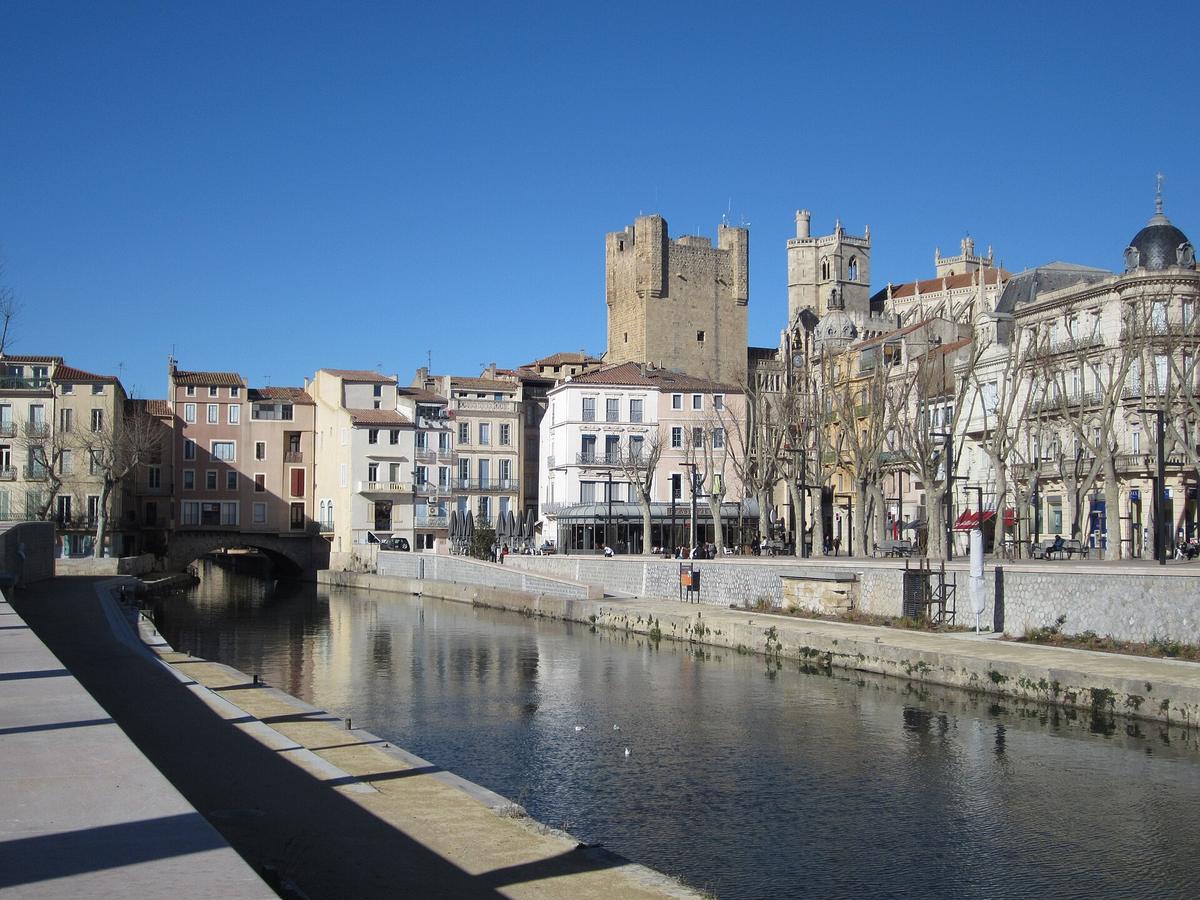

Late Morning: Les Halles De Narbonne at Peak Energy
Walk the Canal to the Market
The Canal de la Robine runs 31.6 kilometres from the Aude river down to the Canal du Midi. It was listed as part of the Canal du Midi UNESCO World Heritage site in 1996. The stretch through central Narbonne is lined with plane trees and café terraces. Walk along the quay until you see the iron and glass roof of Les Halles. Enter via the west door. The market was built in 1901 and operates daily except Monday. The busiest hours are from 08:00 to 13:00. Aim to arrive by 10:30, after the underground galleries but before the lunch crush.
Les Halles is a temple to food in the same way that Bologna's Quadrilatero is a temple to food. That is not hyperbole. The stalls sell oysters from the Bassin de Thau, pélardon goat cheese from the garrigue, thick slabs of pâté de campagne, whole ducks for confit, and prepared dishes like bourride de baudroie à la sétoise, the monkfish stew thickened with aioli. Do not come here to browse. Come here to build a picnic lunch. Buy a dozen huîtres from a shellfish stall, a piece of pélardon drizzled with local thyme honey from the cheese vendor, a bag of fraises des bois if they are in season, and a bottle of crisp white from a producer in La Clape.
Eat Now, Before the Crowd Peaks
Eat standing at one of the communal tables near the fish stalls, or take your haul to the Canal de la Robine and sit on a bench. If you want a hot lunch, the oyster bars inside the market shuck to order and pour Picpoul de Pinet by the glass. The difference between Les Halles and the other great French markets is that Narbonne's version is not yet a tourist stage set. The vendors serve the city's residents first. That means the produce is better and the prices are lower than in Carcassonne or Montpellier.
Afternoon: La Clape Wine, Then Oysters at the Source
Drive Into the Limestone Massif
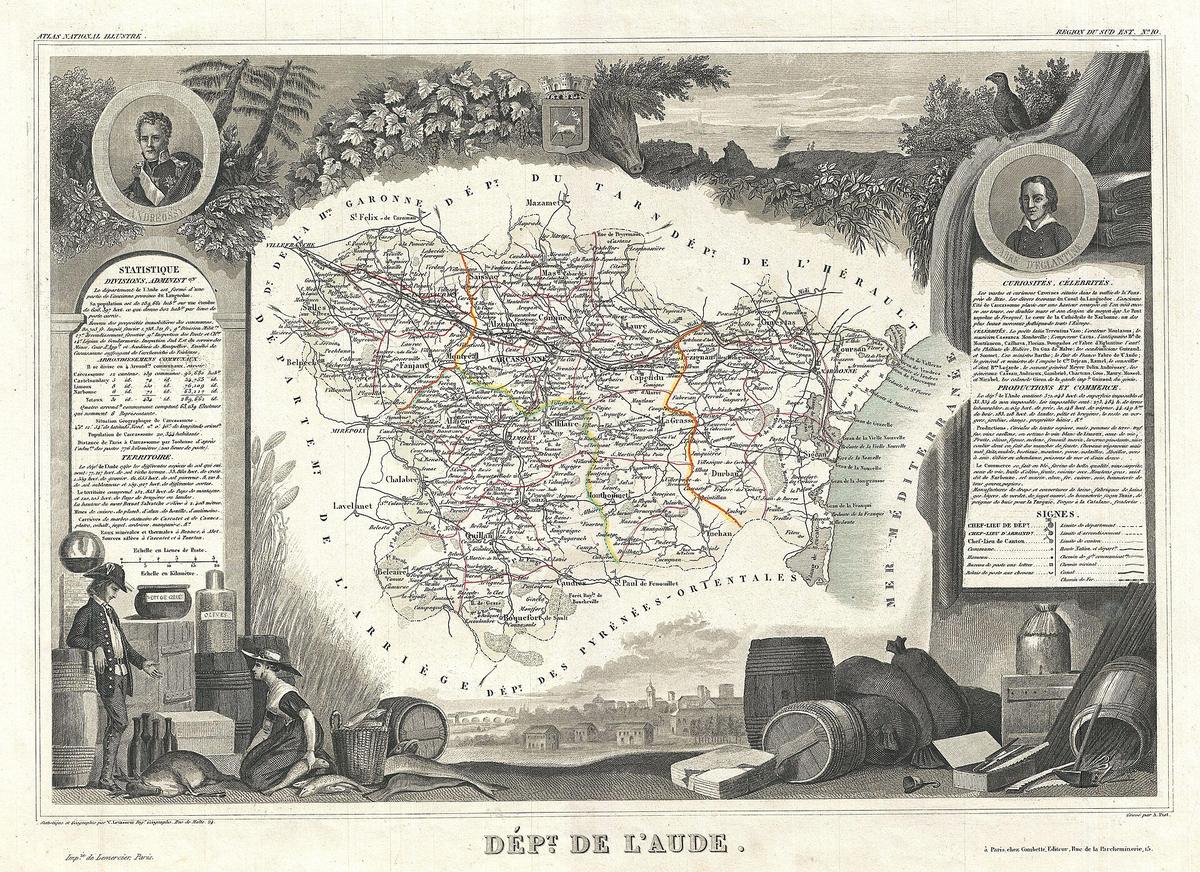
After lunch, drive east out of Narbonne toward the Massif de La Clape. This is not a hill or a park. La Clape is an AOC wine region, designated Coteaux du Languedoc La Clape since 2015, covering a limestone massif that rises directly from the Mediterranean. The highest point is Pech Redon, at 214 metres. The vineyards here produce full-bodied reds from Grenache, Syrah and Mourvèdre, plus a distinctive white from Bourboulenc. Drive up to Pech Redon for the view. You see the Bassin de Thau to the east, the Canigou peak in the Pyrenees to the southwest, and the entire coastal plain from Gruissan to Sète. Spend 30 minutes tasting at a domaine. The domaines are small, unfussy, and do not charge for a tasting. Buy a bottle that will survive the drive to the fishing village.
Shell Oysters at the Water's Edge
Bouzigues sits on the north shore of the Bassin de Thau, roughly 40 minutes from Narbonne by car. The Bassin de Thau is a saltwater lagoon connected to the sea, and the oyster beds here have been farmed since Roman times. Every waterside shack in the village serves the same thing: huîtres, hot or cold, with a glass of Picpoul de Pinet. The wine is bone-dry, mineral, and high in acidity, which cuts through the brine of the oyster. Arrive by 15:00. The shacks close at 16:00 or 17:00, depending on the season, so check before you drive. The best shacks have no menus, no websites, and no English. You order by pointing at the net full of oysters hanging in the water. The farmer shucks them, puts a dozen on a metal tray, and pours your wine from a bottle without a label.
Sit facing the lagoon. The wind off the water is cooler than inland. The view takes in the port of Sète to the east and the Mont Saint-Clair ridge. This is the quietest part of the day. No Roman columns, no market bustle, no next destination. Just the salt, the wine, and the tramontane wind. Finish the Picpoul. Drive back to Narbonne along the D600, which runs parallel to the lagoon. The traffic in July and August on this road can turn a 30-minute drive into 90 minutes, so plan your departure for 17:00 or earlier.

| Stop | Recommended Arrival | Time to Spend | Key Detail |
|---|---|---|---|
| Horreum | 09:00 | 30 40 min | Underground Roman warehouse, 1st century BC |
| Archbishops' Palace Museums | 09:45 | 30 min | Skip art museum; see archaeological collection |
| Les Halles de Narbonne | 10:30 | 60 90 min | Daily except Monday; closes 13:30 |
| La Clape (Pech Redon) | 13:00 | 45 min | Highest point 214 m; AOC wine region since 2015 |
| Bouzigues oyster shack | 15:00 | 60 min | Check seasonal hours before driving |
Why This Day Works and Where it Fails in Narbonne
The Logic of the Route
This itinerary works because Narbonne is not a museum town where you walk through curated history. It is a working city where the Roman past sits underneath a live market and a working canal. The distances between the underground warehouse, Les Halles, La Clape, and the oyster port are short. You do not drive long hours through the Languedoc scrubland. You move through time instead, from a 1st century BC storage complex to a 1901 market hall to a prehistoric lagoon that has been farmed since antiquity.
What Will Go Wrong
But it fails if you expect a polished day. The Horreum is damp and dim. Les Halles is loud and cramped by 11:30. The oyster shacks in Bouzigues have no bathrooms, no menus, and no shade. The tramontane wind can make a seaside lunch miserable. The traffic on the D600 in August can turn the final leg into a parking lot. That is not a flaw in planning. That is the reality of this corner of the region. Languedoc is not a manicured destination. It rewards independent travellers who adjust their expectations down and their appetites up. If you arrive willing to sit in a plastic chair on a concrete dock and eat oysters with your hands while the wind whips your napkin away, this will be the best day of your trip. If you need a tablecloth and a wine list, stay in Narbonne centre and eat at a canal-side brasserie instead. Neither choice is wrong. But only one of them captures what a day out from Narbonne is really about.
What to See in Narbonne
More on Narbonne
Common Questions
Is one day enough for Narbonne and Bouzigues?
Yes, if you follow the route described here. Start at the Horreum by 09:00, reach Les Halles by 10:30, drive to La Clape after lunch, and arrive in Bouzigues by 15:00. That gives you four distinct experiences without rushing. You will skip the archbishops' palace museum, which is fine.
Do I need a car for this day?
Yes, from the market onward. The Horreum and Les Halles are walkable from the centre of Narbonne. But La Clape, Bouzigues, and the coastal shacks require a car. Public transport does not connect these points in a way that respects the timing. Book an automatic car weeks in advance.
What time does Les Halles close?
Les Halles is open daily except Monday. The busiest hours run from 08:00 to 13:00. Most stalls begin packing up around 13:30, and the market is essentially finished by 14:00. Do not arrive after 13:00 expecting a full market.
What is the best time of year for this day?
May, June, or September. July and August hit 35°C regularly, and the coastal traffic on the D600 can double your drive time. In September, the market has late-summer produce, the tramontane is less aggressive, and the oyster shacks are still open.
Can I visit the Horreum without a guide?
Yes. The Horreum is self-guided with explanatory panels in French and English. The underground gallery is only about 50 metres long. A guide is not necessary and would add nothing to the experience.
Are the Bouzigues oyster shacks open all year?
Most operate from March through November. Many close in December, January, and February. The exact dates vary by producer. Call ahead or check a local tourism site before driving. If they are closed, buy oysters at Les Halles in the morning and eat them on the Canal de la Robine instead.
What if I do not drink wine?
The Picpoul de Pinet is the classic pairing with Bouzigues oysters, but the shacks also serve still water, soft drinks, and a local beer. No one will press you. The oysters are the point.
Read next
-
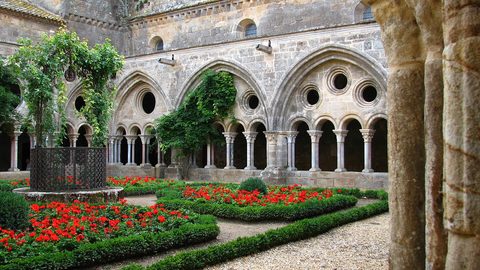 Abbaye de Fontfroide
Fontfroide Abbey combines a Cistercian cloister and rose garden with its own Corbières wine domaine, 20 minutes from Narbonne, with tastings booked in advance.
Abbaye de Fontfroide
Fontfroide Abbey combines a Cistercian cloister and rose garden with its own Corbières wine domaine, 20 minutes from Narbonne, with tastings booked in advance.
-
 French Wine Regions and How a Trip Through Them Actually Works
How to plan a multi-region French wine trip that connects the dots between vineyards without spending every day driving, with Languedoc as the value-driven heart.
French Wine Regions and How a Trip Through Them Actually Works
How to plan a multi-region French wine trip that connects the dots between vineyards without spending every day driving, with Languedoc as the value-driven heart.
-
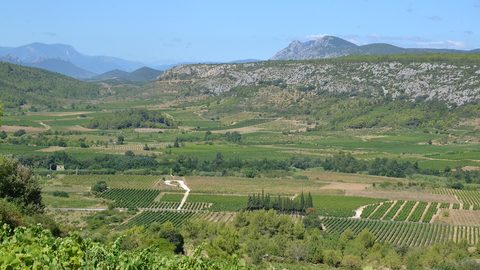 Corbieres and Fitou in the Hills Between Narbonne and the Spanish Border
Corbières and Fitou form a rugged wine landscape between Narbonne and the Spanish border, where Cathar castle ruins rise above sun-baked vineyards and domaines welcome walk-in visitors.
Corbieres and Fitou in the Hills Between Narbonne and the Spanish Border
Corbières and Fitou form a rugged wine landscape between Narbonne and the Spanish border, where Cathar castle ruins rise above sun-baked vineyards and domaines welcome walk-in visitors.