Vin Jaune Savagnin and the Tiny Jura Vineyard
The Jura is a sliver of vineyard between Burgundy and Switzerland, home to vin jaune and savagnin wines made nowhere else. It may be the most intriguing wine region in France.
- Flag
-
- ISO code
- FR
- Population
- 20,678
- Currency
- EUR
- Timezone
- Europe/Paris
The Jura is Vin Jaune and Savagnin and the Smallest Famous Vineyard in France
You know Burgundy. You may know Switzerland. The 2,000-hectare strip of limestone between them produces wines that make Burgundy look conventional. This is the smallest famous vineyard in France: no châteaux, no velvet-roped tasting rooms, just steep slopes, ancient cellars, and wines aged under a yeast veil for six years and three months. If you hunt the obscure, if you want to taste something that cannot be replicated anywhere else, and if you are willing to drive narrow roads to find it, the Jura is your destination. Want a casual glass of Chardonnay by the pool? Skip the Jura.
- Region: Jura
- Location: Between Burgundy and Switzerland
- Vineyard Area: ~2,000 ha
- Key White Grape: Savagnin
- Key Red Grapes: Poulsard, Trousseau
- Signature Wine: Vin Jaune (aged sous voile for 6 years 3 months minimum)
- Vin Jaune Bottle: Clavelin, 62 cl (the volume remaining from 1 L after evaporation)
- Main Appellations: Arbois, Château-Chalon, L'Étoile, Côtes du Jura
- Best Base Town: Arbois
- Rail Arrival Town: Lons-le-Saunier
- Local Cheese: Comté (aged minimum 4 months, from Montbéliarde and French Simmental cows)
- Key Festival: Percée du Vin Jaune, first weekend of February (annual event)
- Non-Driving Options: Hired driver, bicycle, base within walking distance of tasting rooms, spittoon
What Makes Jura Wine Different
The difference is a process called sous voile. After fermentation, the winemaker leaves the wine in barrel with a deliberate gap of air between the liquid and the oak. A veil of yeast grows across the surface, protecting the wine from oxidation while letting it breathe slowly. This is not a defect. It is the point.
For vin jaune, that veil stays in place for a minimum of six years and three months. The wine evaporates. One litre becomes 62 centilitres exactly, which is why the Clavelin bottle holds that precise volume. The result smells of walnuts, curry spices, dried apricots and something electric: a flavour with no equivalent outside this region.
Savagnin is the grape that makes it possible. It is also made as an oxidative still wine (called savagnin ouillé when topped up to avoid oxidation, or savagnin sous voile when left under the veil). For reds, the Jura grows Poulsard and Trousseau: pale-skinned grapes that produce light, translucent, chilled reds unlike anything from the Rhône or Bordeaux. You are not here for power. You are here for precision.
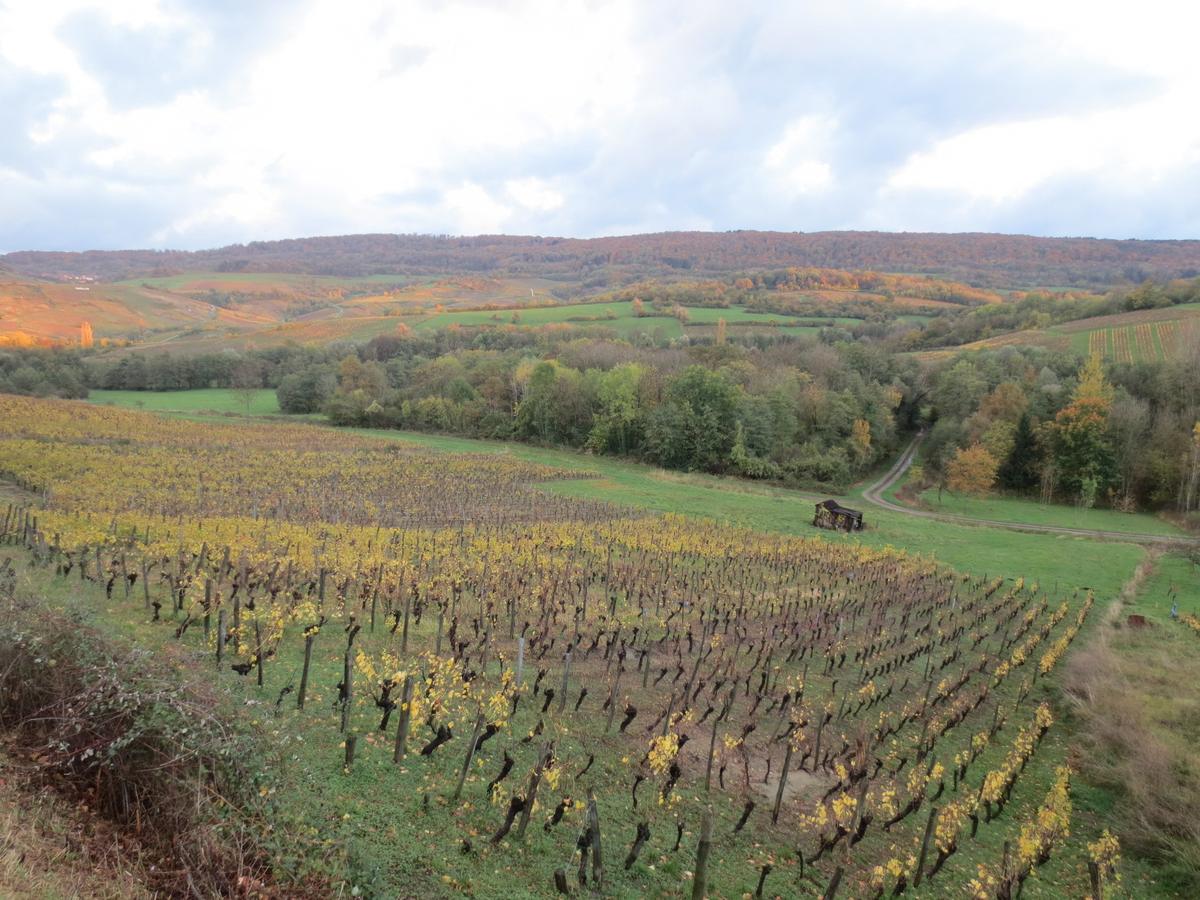

Where to Taste: the Four Main Appellations
The Jura divides into four appellations. Each demands a stop.
Arbois
Arbois is the largest appellation and the most practical base. Louis Pasteur grew up here; his house is now a museum. Walk from a tasting room to a restaurant to a Comté cellar without starting the car. Producers make the full range: vin jaune, oxidative savagnin, Poulsard, Trousseau, and a sparkling Crémant du Jura. Book a morning at the Maison de Vins d'Arbois to taste across multiple domaines in one room.
Château-Chalon
Château-Chalon is the smallest and most prestigious appellation, producing only vin jaune. The village sits on a cliff above the plain, with a collapsed stone arch that frames the view. There is no commercial tasting room. Knock on a producer's door, or visit the co-operative. The wine carries a premium: expect to pay €40 to €80 for a bottle from a good vintage. It is worth it.
L'Étoile
The name means star, a reference to the fossilised star-shaped sea urchins in the local limestone. The appellation is tiny. Wines here tend to be fuller and richer, and the village has a quiet, low-traffic feel. Two or three domaines accept visitors by appointment.
Côtes du Jura
The regional blanket appellation, covering everything the others do not. This is where you find value. A Côtes du Jura vin jaune costs half what a Château-Chalon does, and a well-made Poulsard from a small domaine can be the best €12 you spend on the trip. Look for producers in the villages of Poligny, Voiteur and Montigny-lès-Arsures.
The One Date You Cannot Miss
The Percée du Vin Jaune takes place the first weekend of February in a different village each year. It is the region's biggest wine festival: thousands of bottles opened, food stalls, cellar tours, and a parade. Book accommodation six months ahead. If you cannot get a room in the host village, base yourself in Arbois and drive.
| Appellation | Focus | Village Feel | Best For |
|---|---|---|---|
| Arbois | Full range: vin jaune, savagnin, Poulsard, Trousseau | Lived in practical | Base of operations, easy tasting access |
| Château-Chalon | Vin jaune only | Cliff top, dramatic | Prestige bottle, Instagram view |
| L'Étoile | Vin jaune and oxidative whites | Quiet, fossil studded | Peaceful afternoon, small producers |
| Côtes du Jura | Regional, all styles | Village scattered | Value hunting, variety |
How to See the Jura Without a Car
Rural Jura has a skeleton public transport network. The rail town is Lons-le-Saunier, connected by TER train from Dijon and Lyon. From Lons-le-Saunier, buses to Arbois exist but are infrequent. If you cannot or will not drive, use one of these alternatives:
- Hire a driver. Local wine tour operators charge for a full day. You taste without worrying about limits. Book two weeks ahead in vintage season.
- Base yourself within walking distance of tasting rooms. Arbois is compact. Stay in the town centre and visit the Maison des Vins, a handful of domaines, and several Comté affineurs on foot.
- Bring a bicycle. The Jura has signed wine routes with moderate hills. An e-bike handles the gradients. Rent one in Arbois from March to October.
- Use a spittoon. Taste at five domaines in a morning and swallow nothing. It is the socially acceptable way to cover serious ground without needing a designated driver.

The Wine Obsessive’s Itinerary: One Day in Arbois
Arrive in Lons-le-Saunier by train before 10:00. Rent a car from the station lot or meet your hired driver. Drive 15 minutes north to Arbois. Start at the Maison des Vins, where you can taste across ten domaines in under an hour for €5. Write down the names of producers you like.
Lunch at the Bistrot de la Madeleine. Order the Comté soufflé and a glass of Poulsard served cool. Then walk to the Pasteur house museum. It takes 45 minutes maximum and gives context to the town's scientific history.
In the afternoon, drive to Château-Chalon. Park at the bottom and walk up. Stand at the viewpoint. Knock on the door of Domaine Berthet Bondet if you want an appointment-based tasting. If they are full, drive five minutes to L'Étoile and try Domaine Rolet.
Dinner in Arbois at Le Bletot. Reserve two days ahead. Order the vin jaune and the Comté plate. Drink the wine slowly. You cannot buy this experience at home.
Common Questions
How much time do I need in the Jura wine region?
Two full days is the minimum: one for Arbois and the surrounding villages, one for Château-Chalon and L'Étoile. Add a third day if you want to visit a Comté dairy or hike in the Reculée des Planches gorge.
Can I visit Jura wineries without a reservation?
Not reliably. Many domaines operate by appointment only, especially small producers. Call or email 48 hours ahead. The Maison des Vins in Arbois accepts walk-ins and is the safest bet for spontaneous tasting.
What should I order in a Jura restaurant aside from wine?
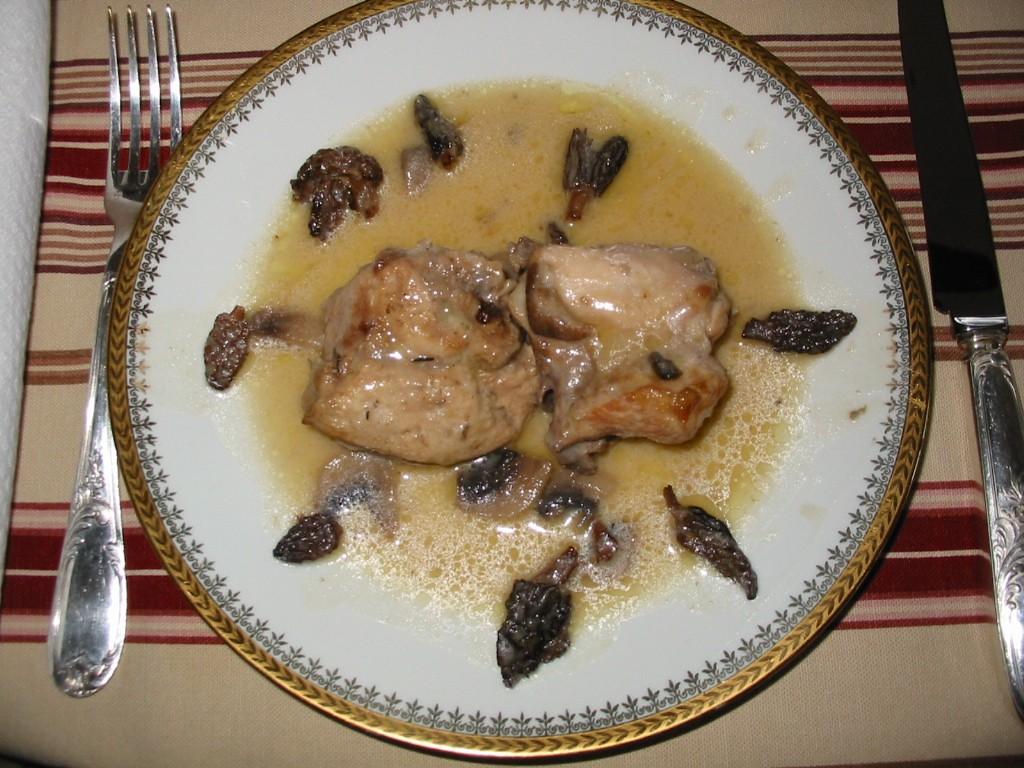
Comté cheese in every form: melted over potatoes in a fondue or raclette, grated into a salad, or eaten alone with bread. The chicken dish <em>poulet à la comtoise</em> is a local staple. Skip the crème brûlée and order a slice of <em>gâteau de ménage</em>.
Is the Jura worth visiting outside of the February festival?
Yes. July through October is harvest time, with active cellars and good weather for hiking. November to March is quieter: many domaines close for winter, but the ones that stay open offer more attention. April and May are pleasant but muddy on the slopes.
Read next
-
 Where to Stay in the Jura From Wine Villages to Lons le Saunier Town
Compare the best places to stay in the Jura wine region, from central Lons-le-Saunier spa hotels to immersive vineyard guest rooms in Château-Chalon and Arbois.
Where to Stay in the Jura From Wine Villages to Lons le Saunier Town
Compare the best places to stay in the Jura wine region, from central Lons-le-Saunier spa hotels to immersive vineyard guest rooms in Château-Chalon and Arbois.
-
 The Best Time to Visit the Jura for Wine Tasting and Waterfalls
Find the perfect season for your Jura trip, from spring waterfalls and autumn wine harvests to winter skiing and the famous Percée du Vin Jaune festival.
The Best Time to Visit the Jura for Wine Tasting and Waterfalls
Find the perfect season for your Jura trip, from spring waterfalls and autumn wine harvests to winter skiing and the famous Percée du Vin Jaune festival.
-
 Getting Around the Jura Wine Route Without Missing a Tasting
A car is essential for exploring the Jura wine route. Learn about renting from Lons-le-Saunier, navigating steep vineyard roads, and booking domaine tastings in advance.
Getting Around the Jura Wine Route Without Missing a Tasting
A car is essential for exploring the Jura wine route. Learn about renting from Lons-le-Saunier, navigating steep vineyard roads, and booking domaine tastings in advance.
-
 Eating in the Jura Comté Cheese Vin Jaune and Morel Mushroom Menus
Discover the Jura's signature dishes, from Comté cheese and morel mushrooms to the classic vin jaune chicken, and find the best village restaurants to try them.
Eating in the Jura Comté Cheese Vin Jaune and Morel Mushroom Menus
Discover the Jura's signature dishes, from Comté cheese and morel mushrooms to the classic vin jaune chicken, and find the best village restaurants to try them.
-
 French Wine Regions and How a Trip Through Them Actually Works
How to plan a multi-region French wine trip that connects the dots between vineyards without spending every day driving, with Languedoc as the value-driven heart.
French Wine Regions and How a Trip Through Them Actually Works
How to plan a multi-region French wine trip that connects the dots between vineyards without spending every day driving, with Languedoc as the value-driven heart.