Gascony and the Oldest Eau-de-Vie in France
Armagnac is France's oldest spirit, distilled in Gascony since the 14th century. Visiting its family domaines is nothing like the cognac houses up north.
- Flag
-

- ISO code
- FR
- Population
- 24,494
- Currency
- EUR
- Timezone
- Europe/Paris
Gascony and the Oldest Eau-de-Vie in France
You want to visit Armagnac producers in Gascony without a tour group, and you need to know how the spirit differs from cognac before you spend a single euro. Armagnac is the oldest eau de vie in France, run through a single continuous still that leaves more flavour compounds in the bottle, and the rolling Gascon countryside it comes from is half the story. Cognac is a polished industrial product. Armagnac is a rustic farm tradition, and visiting the estates is as simple as knocking on a farmhouse door.
Skip Cognac. The Gers department, the heart of the Armagnac region, receives a fraction of the tourists that flood the Charente. You will taste directly from the barrel at family run properties where the distiller is the grower. The roads are quiet, the pace is slow, and the food of the Gers is one of the best kept secrets in French gastronomy.

- AOC Established: 1936
- AOC Sub Regions: Bas Armagnac, Ténarèze, Haut Armagnac, Blanche d'Armagnac
- Distillation Type: Continuous column still (alambic armagnacais), single pass
- Typical Distillation ABV: 52 60%
- Minimum Ageing VS (***): 1 year in oak
- Minimum Ageing VSOP: 4 years in oak
- Minimum Ageing XO and Hors d'Age: 10 years in oak
- Main Grape Varieties: Ugni Blanc, Baco Blanc, Folle Blanche, Colombard
- Distillation Season: October to 31 March
Three Soils, One Spirit
Bas Armagnac
Armagnac divides into three AOC sub regions, and the soil differences matter more than you might expect. Bas Armagnac covers roughly 3,500 hectares of tawny sands and boulbènes, silty sand that drains fast and produces the lightest, most floral spirits. This is where serious collectors focus. The main town is Eauze, and the roads between Eauze and the Landes border are lined with mail order estate signs for armagnac.fr and direct sales.
Ténarèze and Haut Armagnac
Ténarèze, around 2,000 hectares on clay limestone soils, gives a more structured, spicier spirit. Its main town is Condom. Haut Armagnac is tiny, roughly 300 hectares of limestone soils, and its production is hard to find outside the region. If you want to taste across the spectrum, start in Bas Armagnac for elegance and move to Ténarèze for power.
The Still That Changes Everything
The single continuous run is the technical difference that changes everything. Cognac uses a pot still and double distillation, stripping out more congeners and pushing the ABV to 67 72%. Armagnac's column still runs a single pass at 52 60%, leaving more of the grape's character and the yeast derived flavours intact. That is why Armagnac tastes earthier, more rustic, and less neutral. That is also why vintage dated Armagnacs exist, a single year, a single harvest. Cognac forbids vintage bottling. Armagnac encourages it.
How to Visit Domaines and Distilleries
Booking an appointment is the safe play, but many of the best visits happen without one. The Gers is dotted with small family farms that grow grapes, run the still on site, and sell from a tasting room that is also the kitchen. Call ahead for the estates that appear in guidebooks. For the ones you spot by a hand painted sign on a D road, just pull in. Most producers speak enough English to handle a tasting, but bring basic French phrases for the villages off the main routes.
You cannot drive between tastings and taste responsibly. Three alternatives exist. Hire a chauffeur privé, a local driver who knows the routes and will wait while you taste. Rent a bicycle; the Gers has designated cycling routes that link villages, and the terrain is rolling rather than mountainous. Or base yourself within walking distance of multiple producers. The countryside around Eauze and the bastide villages of Montréal, Fourcès, and Larressingle is compact enough that you can walk or cycle between estates in a morning.
Larressingle is a 13th century fortified village classified as one of the Plus Beaux Villages de France. Use it as a lunch stop between tastings. The village of Fourcès, a circular bastide, has a plane tree shaded square that feels suspended in time. Do not skip the village of Bassoues, with its 14th century keep, or the market at Fleurance on Saturday mornings.
Floc de Gascogne, the Aperitif You Need
Every Armagnac producer also makes Floc de Gascogne, a mistelle that blends two thirds fresh grape juice with one third young Armagnac. The result sits at 16 18% ABV, served chilled as an aperitif. The AOC was established in 1990, but the tradition is far older. Order it before a meal, not after. The sweet red version pairs with the local goat cheese pélardon drizzled with thyme honey.
What a Tasting Costs and What You Get
Most estates charge nothing for a tasting of their standard range. Vintage bottles and old vintages come with a tasting fee, usually 5 to 15 euros, waived if you buy a bottle. Prices for a 10 year old Armagnac run from 35 to 60 euros at the property. A vintage bottle from the 1980s or 1990s costs 70 to 150 euros. A bottle of Floc de Gascogne costs 8 to 12 euros. Buy it at the estate, not at the airport.
| Sub Region | Area Under Vine | Soil Type | Character of Spirit | Main Town |
|---|---|---|---|---|
| Bas Armagnac | 3,500 ha | Tawny sands and boulbènes | Light, floral, elegant | Eauze |
| Ténarèze | 2,000 ha | Clay limestone | Structured, spicy, powerful | Condom |
| Haut Armagnac | 300 ha | Limestone | Rare, mineral, hard to find | Auch (prefecture) |


Eating and Drinking in the Gers
The food of the Gers is the other reason to come. This is duck country. Confit, magret, foie gras, and gésiers appear on every menu. But the local specialities go further. The village of Pézenas produces petits pâtés de Pézenas, sweet savoury spiced mutton mince in a pastry dome, a legacy of Lord Clive of India. The cassoulet de Castelnaudary, the canonical version with haricots lingots and duck confit, is an hour drive east but worth the detour.
Lunch is the main meal. Most village restaurants close by 14:00 and do not reopen for dinner. Plan your tasting schedule so that you sit down for lunch at 12:30. For dinner, drive to a larger town like Auch, the prefecture of the Gers, or Condom, where restaurants stay open into the evening. The market halls in the bastide villages operate in the morning only. Arrive by 09:00 for the best produce.
Mosquitoes are not a problem in the inland Gers the way they are in the Camargue, but the tramontane wind can gust across the open plains. Pack a windproof layer if you plan to eat on a terrace in spring or autumn.
The One Thing That Trips People Up
Underestimating the distances does not apply in the Gers the way it does in Languedoc. The Gers is compact. You can drive from Eauze to Condom in 40 minutes. The problem is the priorité à droite rule at village intersections, where cars shoot out from tiny side streets on the right without warning. If you are not used to it, you will brake hard. Rent an automatic car if you can, but book it weeks in advance. Manual is the default in rural France.
The Honest Truth About Visiting Armagnac
Armagnac is not a luxury product, and the Gers is not a luxury destination. Many estates are functional farm buildings with concrete floors and a wooden counter. The welcome is warm but unsentimental. If you want polished tasting rooms and perfectly manicured châteaux, go to Cognac. If you want to drink the oldest eau de vie in France straight from a barrel in a stone barn with a farmer who grew the grapes, go to the Gers. Just bring cash, because some estates still do not take cards.
More on Auch
-
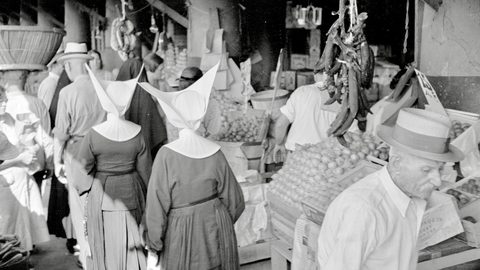 The Gascon Table Around Auch Where Duck Armagnac and Floc Belong Together
Gascony's table revolves around duck, Armagnac brandy, and Floc de Gascogne, best experienced at Auch market stalls and farm-restaurants deep in Bas-Armagnac.
The Gascon Table Around Auch Where Duck Armagnac and Floc Belong Together
Gascony's table revolves around duck, Armagnac brandy, and Floc de Gascogne, best experienced at Auch market stalls and farm-restaurants deep in Bas-Armagnac.
-
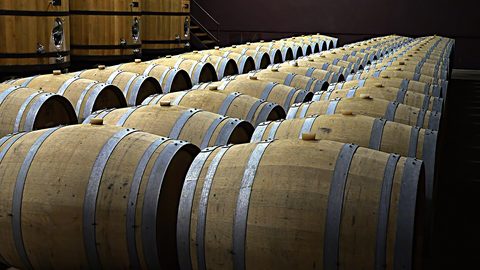 Armagnac vs Cognac Difference and Which Brandy Region to Visit
Armagnac or Cognac: the differences in distillation, grape varieties, and what it is like to visit the domaines in Gascony versus the houses in Cognac.
Armagnac vs Cognac Difference and Which Brandy Region to Visit
Armagnac or Cognac: the differences in distillation, grape varieties, and what it is like to visit the domaines in Gascony versus the houses in Cognac.
Common Questions
Can I visit Armagnac producers without an appointment?
Yes, many family run estates welcome walk ins, especially outside peak harvest months. Look for hand painted signs on D roads. For estates listed in major guides, call ahead. The harvest runs from September to October, and the stills run from October to 31 March. Avoid those months for impromptu visits.
How do you get to the Armagnac region?
Fly into Toulouse Blagnac Airport. The tram T2 takes you to Toulouse city centre, then rent a car at the train station. The drive from Toulouse to the Armagnac region takes 90 minutes. Do not rely on public transport; the rural network is skeletal.
What is the main difference between Armagnac and Cognac?
Armagnac uses a single continuous column still at 52 60% ABV, leaving more flavour compounds. Cognac uses a pot still with double distillation at 67 72% ABV, producing a cleaner, more neutral spirit. Armagnac permits vintage dating; Cognac does not. Armagnac also permits the Baco Blanc grape; Cognac does not.
Is there a budget option for tasting Armagnac?
Floc de Gascogne costs 8 to 12 euros per bottle and is produced by every Armagnac estate. It is the cheapest way to taste the character of a producer's grapes. Standard Armagnac VSOP starts around 35 euros at the property.
How much Armagnac can I bring back to the US?
US federal duty free allowance is 1 litre per passenger over 21. You can pack up to 5 litres in checked baggage at 24 70% ABV. Shipping is permitted via a licensed carrier, but state laws vary. Check the laws of your home state before buying.
What food should I eat with Armagnac?
Drink Floc de Gascogne as an aperitif with pélardon goat cheese drizzled with honey. Drink younger Armagnac with dark chocolate or a prune stuffed with foie gras. Drink vintage Armagnac after a meal of duck confit or cassoulet de Castelnaudary.
What is the best time of year to visit?
May, June, and September. July and August are hot and crowded. The stills run from October to March, and visiting during this period adds the smell of boiling wine in the air, but many estates are busy and less welcoming to walk ins.
Read next
-
 Where to Stay in Auch and the Gers for an Armagnac-Focused Trip
Compare the best bases for an Armagnac trip in the Gers, from a historic hotel in Auch's old town to an immersive farmhouse stay on a working Bas-Armagnac domaine.
Where to Stay in Auch and the Gers for an Armagnac-Focused Trip
Compare the best bases for an Armagnac trip in the Gers, from a historic hotel in Auch's old town to an immersive farmhouse stay on a working Bas-Armagnac domaine.
-
 The Best Time to Visit Gascony for Markets Armagnac and Sunflowers
Plan your Gascony trip around winter truffle markets, July sunflower fields, and the autumn Armagnac distillation season for the most authentic experience.
The Best Time to Visit Gascony for Markets Armagnac and Sunflowers
Plan your Gascony trip around winter truffle markets, July sunflower fields, and the autumn Armagnac distillation season for the most authentic experience.
-
 Getting Around Auch and the Gers Without Missing a Single Distillery
Why a rental car is the only practical way to explore the Armagnac domaines and bastide villages of the Gers, with tips on driving from Toulouse and the region's slow rural pace.
Getting Around Auch and the Gers Without Missing a Single Distillery
Why a rental car is the only practical way to explore the Armagnac domaines and bastide villages of the Gers, with tips on driving from Toulouse and the region's slow rural pace.
-
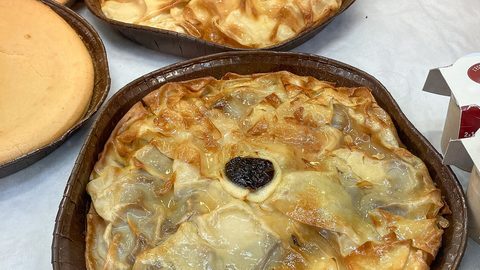 Eating in Gascony From Duck Confit to Armagnac Flambé Desserts
Explore Gascony's rich food scene from Auch's bustling market hall to countryside farm restaurants, with a guide to duck confit, flambé desserts, and Armagnac pairings.
Eating in Gascony From Duck Confit to Armagnac Flambé Desserts
Explore Gascony's rich food scene from Auch's bustling market hall to countryside farm restaurants, with a guide to duck confit, flambé desserts, and Armagnac pairings.
-
 French Wine Regions and How a Trip Through Them Actually Works
How to plan a multi-region French wine trip that connects the dots between vineyards without spending every day driving, with Languedoc as the value-driven heart.
French Wine Regions and How a Trip Through Them Actually Works
How to plan a multi-region French wine trip that connects the dots between vineyards without spending every day driving, with Languedoc as the value-driven heart.
-
The Gascon Table Around Auch Where Duck Armagnac and Floc Belong Together
Gascony's table revolves around duck, Armagnac brandy, and Floc de Gascogne, best experienced at Auch market stalls and farm-restaurants deep in Bas-Armagnac.
-
Armagnac vs Cognac Difference and Which Brandy Region to Visit
Armagnac or Cognac: the differences in distillation, grape varieties, and what it is like to visit the domaines in Gascony versus the houses in Cognac.