Armagnac or Cognac: The Difference and Which to Visit
Armagnac or Cognac: the differences in distillation, grape varieties, and what it is like to visit the domaines in Gascony versus the houses in Cognac.
.jpg)
The First Glass Tells You Everything
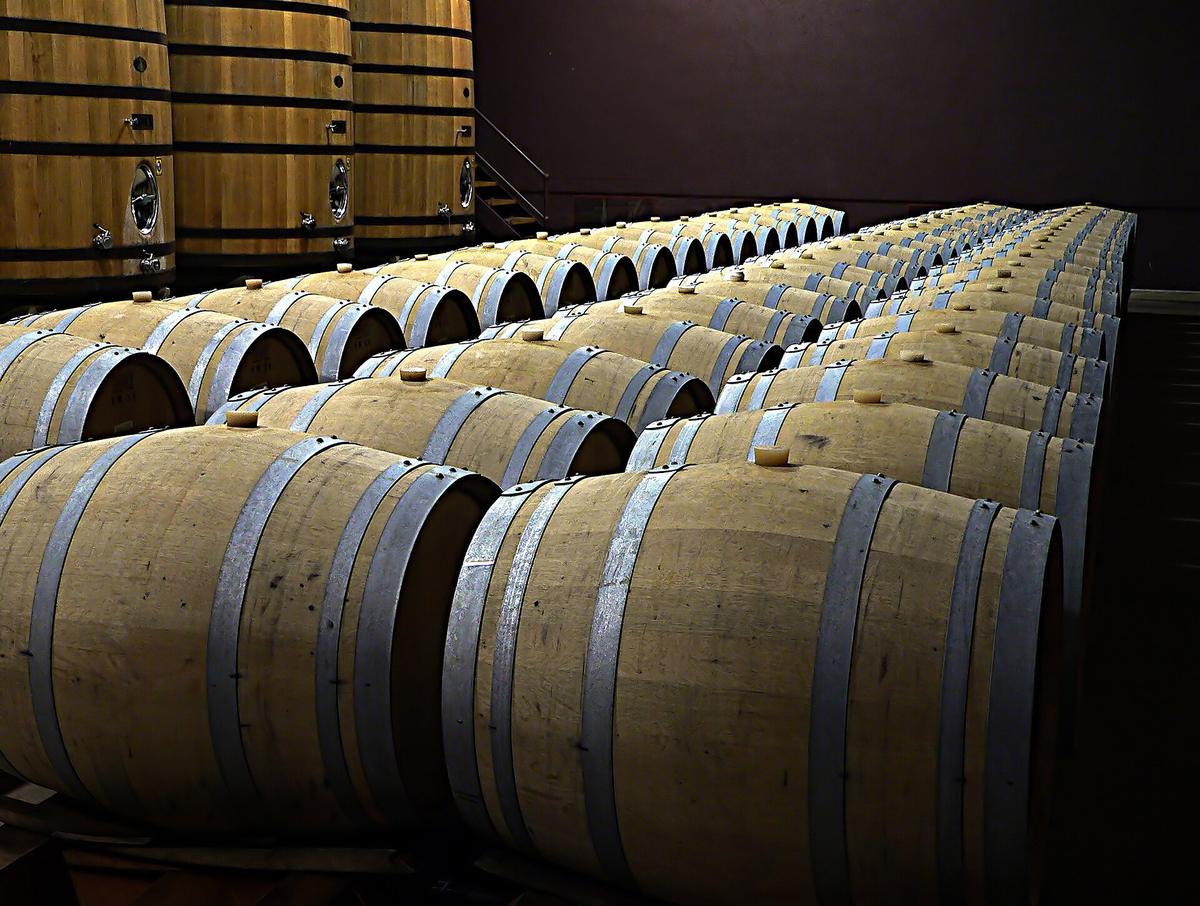
You are standing in a stone cellar in the Bas-Armagnac countryside. The air smells of damp oak and old fruit. A man in a faded work shirt pulls a sample from a barrel with a glass pipette called a taste-vin. He pours you a measure of his own eau-de-vie, distilled the previous November, still at cask strength. He is the grower, the distiller, and the cellar master. He wants to know what you think. Forty kilometres north, in Cognac, a guide in a branded polo shirt recites a script to thirty visitors who paid €25 each for the hour. Both places produce brandy. They are not the same experience at all.
The difference between Armagnac and Cognac runs deeper than distillation methods and grape varieties, though those matter. The difference is how the two regions treat visitors. Armagnac is a countryside of family farms where the person who fills your glass is the person who made the spirit. Cognac is a polished industry of corporate houses with gift shops and timed tickets. If you want the unpolished, deeply Gascon alternative, Armagnac is your answer.
| Armagnac | Cognac | |
|---|---|---|
| Distillation | Single pass in a continuous column still (alembic armagnacais) | Double distillation in copper pot stills (alambic charentais) |
| Alcohol After Distillation | 52-60% abv, retains more congeners | Maximum 72.4% abv, lighter and more refined |
| Dominant Grape | Ugni Blanc (55-60% of plantings) | Ugni Blanc (approx 98% of plantings) |
| Total Grape Varieties Allowed | 10 | 6 |
| Sub-Regions or Crus | 3 sub-regions (Bas-Armagnac, Ténarèze, Haut-Armagnac) | 6 crus (Grande Champagne through Bois Ordinaires) |
| Number Of Producers | Approx 300-400 growers, negociants, and cooperatives | Approx 4,300 growers, 270 commercial houses |
| Market Concentration | Fragmented, no single house dominates | Four houses (Hennessy, Martell, Rémy Martin, Courvoisier) control ~85% of global sales |
| Typical Visitor Experience | Family-run domaines, informal cellar-door tastings, direct producer contact | Large branded visitor centres, pre-booked tours, structured tastings |
| Entry-Level Price (VS, Retail France 2024) | €18-€25 | €25-€35 |
| Xo Price (Retail France 2024) | €40-€80 | €80-€150+ |
| Vintage Bottle Price (1980S, Retail France 2024) | €70-€150 | Rarely available; €200+ when found |
| Vintage Bottles | Permitted and common | Permitted but rare; major houses blend across years |
| Vineyard Area (2023) | Approx 4,200 ha | Approx 79,500 ha |
| Annual Production (2023) | Approx 5-6 million bottles | Approx 220-230 million bottles |
What the Distillery Tells You
The distillation methods explain the character in your glass. They also explain the geography of your visit. Armagnac uses a single pass through a continuous column still. The spirit comes off at 52-60% abv, lower than Cognac's maximum 72.4% abv after the second distillation. That lower proof retains more congeners, fatty acids, and esters. The result is a heavier textured, more rustic spirit. It tastes of the soil it came from. Cognac's double distillation strips away more of those compounds, producing a lighter, more consistent product designed for blending across years by large houses.
That difference in production scale maps directly onto the visitor experience. In Armagnac, the distillery is a converted barn on a farm that also raises ducks for foie gras and grows sunflowers. You walk past the still on the way to the tasting room, which may be a table in the garage. The producer might pull a sample from a barrel marked with chalk and a year, not a brand name. You can buy a bottle of that exact year's spirit. Vintage Armagnac is common. Vintage Cognac exists but is rare; the big houses blend across vintages and release few single-year bottles.
The Cognac Visitor Machine
In Cognac, the visitor experience is built around brands. Hennessy, Martell, Rémy Martin, and Courvoisier together control roughly 85% of global sales. Their visitor centres sit along the Charente riverfront in the town of Cognac, with slick reception areas, film screenings, and shops selling branded merchandise. You book a time slot. You follow a guide. You taste a curated flight of three or four blends. The experience is polished and reliable. But you are a customer, not a guest. You will not meet the distiller. You will not buy a single-vintage bottle from a barrel in a dusty corner.
How to Visit Armagnac: the Auch Route
Fly into Toulouse-Blagnac airport. Rent a car. Book an automatic transmission weeks ahead; supply is limited. Drive west for about 75 minutes into the Gers department, the heart of Armagnac country. Base yourself in or near Auch, the historic capital. The town's cathedral towers over the Gers river valley, but the essential stop is the Armagnac Tower, a 14th-century prison tower that houses the Armagnac Museum. The museum walks you through the distillation process, the three sub-regions, and the ten permitted grape varieties, including Baco Blanc, a hybrid unique to Armagnac. It is the best orientation before you start visiting domaines.
Where to Focus: Bas-Armagnac
The three sub-regions are Bas-Armagnac, Armagnac-Ténarèze, and Haut-Armagnac. For visitors, focus on Bas-Armagnac. Its sandy, siliceous-clay soils produce the most esteemed eaux-de-vie, and the domaine density is highest here. The landscape is soft, wooded, and small. You drive narrow lanes between fields of Ugni Blanc vines. Do not try to visit more than three domaines in a day. Most operate by appointment, and the owners are not waiting for walk-ins. Call ahead or email. A visit takes an hour: a tour of the still, a walk through the barrel cellar, a tasting of three or four vintages. You will spend €18-€25 on an entry-level VS bottle at the domaine, far less than the €25-€35 you would pay for the equivalent Cognac VS in a French shop. An XO Armagnac costs €40-€80 at retail, compared to €80-€150+ for a Cognac XO. A vintage 1980s Armagnac costs €70-€150. A vintage Cognac from the same decade, if you can find one, starts at €200.
Why The Countryside Matters
The Gers countryside is not a set piece for tourism. It is a working agricultural region where the pace is slow and the heat in July and August is real. The region shares the same sun-scorched character as the Languedoc, with the same stubbornly slow pace. Many restaurants close by 14:00 and do not reopen for dinner. Shops shut for long afternoon breaks. You need a rental car. Public transport is skeletal. Book self-catering accommodation with a pool if you visit between June and September. The afternoon heat feels punishing without one.
Who Should Skip Armagnac
If you want a polished day out with timed tours, gift shops, and a guarantee that everything runs on schedule, go to Cognac. If a farm visit delights you for exactly one afternoon but bores you by day three, go to Cognac. If you rely on public transport and do not want to drive, go to Cognac. The town is walkable and the houses are concentrated along the riverfront. Armagnac rewards independent road-trippers who do not mind a little dust.


Worth it if
- Direct contact with the producer, not a corporate guide
- Vintage bottlings are common and affordable (€70-€150 for a 1980s bottle)
- Entry-level VS starts at €18-€25, roughly 30% cheaper than Cognac's entry level
- The Bas-Armagnac countryside is quiet, uncommercialised, and genuinely rural
- You can taste cask-strength spirit straight from the barrel
Skip it if
- Requires a rental car; public transport is non-existent in rural areas
- Most domaines operate by appointment only, with no walk-in flexibility
- Restaurants in the Gers close by 14:00; dinner options require a drive to a larger town
- English is far less widely spoken than on the Cognac tourist trail
- No large visitor centres or museum-quality presentations; the experience is informal to the point of rough
Read next
-
 Where to Stay in Auch and the Gers for an Armagnac-Focused Trip
Compare the best bases for an Armagnac trip in the Gers, from a historic hotel in Auch's old town to an immersive farmhouse stay on a working Bas-Armagnac domaine.
Where to Stay in Auch and the Gers for an Armagnac-Focused Trip
Compare the best bases for an Armagnac trip in the Gers, from a historic hotel in Auch's old town to an immersive farmhouse stay on a working Bas-Armagnac domaine.
-
 The Best Time to Visit Gascony for Markets Armagnac and Sunflowers
Plan your Gascony trip around winter truffle markets, July sunflower fields, and the autumn Armagnac distillation season for the most authentic experience.
The Best Time to Visit Gascony for Markets Armagnac and Sunflowers
Plan your Gascony trip around winter truffle markets, July sunflower fields, and the autumn Armagnac distillation season for the most authentic experience.
-
 Getting Around Auch and the Gers Without Missing a Single Distillery
Why a rental car is the only practical way to explore the Armagnac domaines and bastide villages of the Gers, with tips on driving from Toulouse and the region's slow rural pace.
Getting Around Auch and the Gers Without Missing a Single Distillery
Why a rental car is the only practical way to explore the Armagnac domaines and bastide villages of the Gers, with tips on driving from Toulouse and the region's slow rural pace.
-
 Eating in Gascony From Duck Confit to Armagnac Flambé Desserts
Explore Gascony's rich food scene from Auch's bustling market hall to countryside farm restaurants, with a guide to duck confit, flambé desserts, and Armagnac pairings.
Eating in Gascony From Duck Confit to Armagnac Flambé Desserts
Explore Gascony's rich food scene from Auch's bustling market hall to countryside farm restaurants, with a guide to duck confit, flambé desserts, and Armagnac pairings.
-
 French Wine Regions and How a Trip Through Them Actually Works
How to plan a multi-region French wine trip that connects the dots between vineyards without spending every day driving, with Languedoc as the value-driven heart.
French Wine Regions and How a Trip Through Them Actually Works
How to plan a multi-region French wine trip that connects the dots between vineyards without spending every day driving, with Languedoc as the value-driven heart.
-
 The Gascon Table Around Auch Where Duck Armagnac and Floc Belong Together
Gascony's table revolves around duck, Armagnac brandy, and Floc de Gascogne, best experienced at Auch market stalls and farm-restaurants deep in Bas-Armagnac.
The Gascon Table Around Auch Where Duck Armagnac and Floc Belong Together
Gascony's table revolves around duck, Armagnac brandy, and Floc de Gascogne, best experienced at Auch market stalls and farm-restaurants deep in Bas-Armagnac.