A Practical Guide to Planning a Trip Across the Wine Regions of France
How to plan a multi-region French wine trip that connects the dots between vineyards without spending every day driving, with Languedoc as the value-driven heart.
- Flag
-

- ISO code
- FR
- Population
- 68,000,000
- Currency
- EUR
- Timezone
- Europe/Paris
- Dial code
- +33
French Wine Regions and How a Trip Through Them Actually Works
You can cover four wine regions in a single week without a single six-hour driving day. The route is Languedoc, Roussillon, the South-West, and Armagnac, linked by the A61 motorway and the N124 road. That east-west arc from Montpellier to Auch is shorter than Lyon to Bordeaux. Most travellers dreaming of a French wine trip assume they must pick Burgundy or Bordeaux. The south offers a tighter cluster of distinct regions, lower prices and fewer tourists. Languedoc is the pivot. It is not a city you visit. It is a vast, sun-scorched territory stretching from the Rhône to the Pyrenees. Its scale surprises everyone who books a single base near the coast and then tries to reach Cathar castles inland in 38°C heat. That mistake turns a relaxed holiday into hours of exhausting driving. Plan the geography first, then pick your regions.
- Number Of Regions Covered On This Site: 6
- Regions Covered: Languedoc, Roussillon, Southwest France, Armagnac (Gascony), Corsica, Jura
- Realistic One-Trip Combination 1: Languedoc + Roussillon (contiguous Mediterranean arc, no flights needed)
- Realistic One-Trip Combination 2: Southwest France + Armagnac (shared Gascony base, compact driving)
- Realistic One-Trip Combination 3: Languedoc + Roussillon + Southwest France (east-west arc via A61, 5-7 days)
- Minimum Days For Languedoc Alone: 5 days (split between an inland historic base and the coast)
- Peak Season: July and August (coastal population x10, temperatures hit 35°C, accommodation prices peak)
- Window To Avoid: Second half of August when the A9 autoroute becomes a parking lot. Also Feria de Nîmes (Pentecost weekend) and Carcassonne July 14th fireworks for crushing crowds.
- Car Essential: Yes. Rental car is non-negotiable beyond main cities. Automatic cars must be booked weeks in advance.
- Tasting Room Fee Range (Languedoc): €0-€10 per person. Verify each domain's website.
- Bottle Price Range Languedoc AOP At Cellar Door: €6-€30
- France Legal Blood Alcohol Limit For Drivers: 0.5 g/L (0.2 g/L for novice drivers)
- Alternatives To Driving Between Tastings: Hired driver (chauffeur privé), bicycle (cycling between domaines), walking from a base near multiple tasting rooms, or using the spittoon provided at every tasting room.
How the Regions Connect and How Many You Can Cover
Languedoc and Roussillon sit side by side along the A9 motorway. Perpignan to Montpellier is roughly 150 km. You can drive it in 90 minutes on a good day. Add the South-West by taking the A61 west from Montpellier to Toulouse, about 300 km and three hours. From Toulouse, the N124 runs 140 km to Auch, the town where Armagnac country begins. That is three regions in five to seven days with no leg exceeding three hours. Corsica and Jura are separate trips entirely. Corsica needs a ferry from Toulon, 250 km east of Montpellier, or a flight. Jura sits against the Swiss border, 500 km from Montpellier via the A7 and A39. It pairs better with Burgundy than the south. Do not try to combine Corsica with Languedoc in one trip unless you have two weeks and a non-refundable tolerance for ferry schedules.

The Real Rhythm of a Wine Trip, Not a Checklist
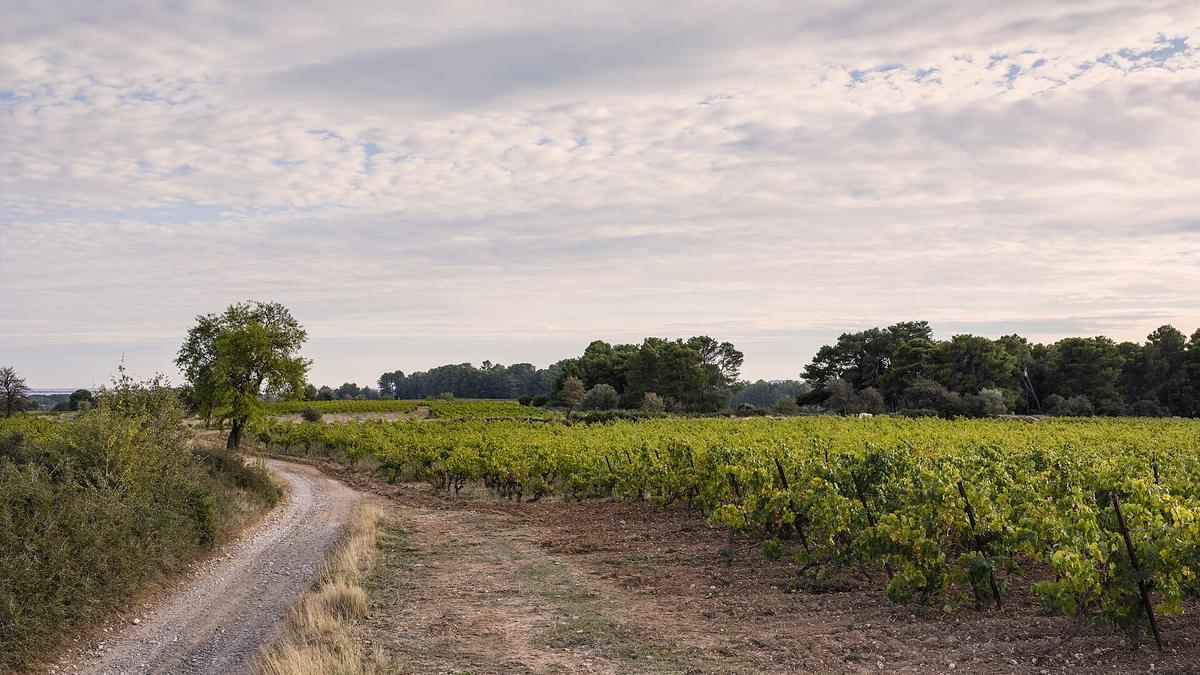
A wine trip in these regions does not mean visiting five domaines before lunch. It means arriving at a medieval village like Lagrasse or Minerve in the late morning, visiting one or two producers, then stopping for a two-hour lunch. Almost everything closes until 14:00. The pace is stubbornly slow. Many inland village restaurants serve lunch only and shut by 14:00. Finding dinner after a day out requires driving to a larger town. Schedule your visits for the morning. Accept the afternoon siesta as a feature, not a bug. Use that time to swim, read, or explore a Roman site like Narbonne's Horreum, where the underground tunnels stay cool even in August.
Languedoc As Your Value Anchor
Languedoc is the region where a bottle of AOP red at a cellar door costs €6 to €30. The domaine owner is likely to pour you a glass without a fee, or with a €5 fee waived on purchase. Fees run from €0 to €10 per person. Always check the domain's website before driving there. This is not a region of grand châteaux with manicured rooms. It is a region of unpretentious domaines where the winemaker might be the one pouring. Languedoc works as a base because it sits between Roussillon to the south and the South-West to the west. Stay in Montpellier, Narbonne, or Carcassonne and reach either region on a day trip. The coast at Sète or the Bassin de Thau gives you seafood and oysters from Bouzigues with a glass of Picpoul de Pinet. The inland route takes you to the Cathar castles at Peyrepertuse and Quéribus. Budget a full day for those drives. Do not attempt them in a single afternoon during a heatwave.
Roussillon And The South-West In One Arc
Roussillon is the warmer, drier continuation of Languedoc, with its own wines from Banyuls and Maury. Do not skip the fortified styles. The coast at Collioure offers a Fauvist-painted port reachable in one hour by train from Narbonne. The South-West, inland from Bordeaux, has a completely different wine personality: Malbec from Cahors, sweet wines from Monbazillac, the famous cassoulet of Castelnaudary. Armagnac lies further west in Gascony. The spirit producers offer VSOP bottles at €25 to €50. These two regions share a Gascony base. Stay near Toulouse or Auch and cover both without moving hotels. The harvest start window for Languedoc and Roussillon runs from mid-August to early September each year. The South-West starts later, early September to late September. This matters if you want to see the vines in action. Verify the current year's dates from the regional wine councils. Vintage conditions shift the timing.
What To Skip And What To Book Ahead
Skip the second half of August. The A9 autoroute becomes a parking lot during the French and European holiday exodus. Avoid the Feria de Nîmes on Pentecost weekend and Carcassonne's July 14th fireworks if you dislike crushing crowds. Book any Roman site parking online in advance. The Pont du Gard car park fills by 10:00 in summer. For wineries that require appointments, such as the Abbaye de Fontfroide, reserve at least 48 hours ahead. Do not assume you can walk in. The rooms that accept walk-ins are the ones you spot from the road with a sign that says Dégustation. Those are the value-driven domaines the region is known for.
What Each Region Costs and Why That Matters for Your Route
Bottle prices at cellar door do not vary wildly across Languedoc, Roussillon, and the South-West. Languedoc AOP starts at €6 and goes to €30. Roussillon AOP starts at €7 and goes to €25. South-West AOP starts at €6 and goes to €25. Armagnac VSOP starts at €25 and goes to €50. Corsica AOP runs €10 to €30. Jura AOP runs €10 to €35. The real cost difference is accommodation and dining. A self-catering villa near Pézenas or Lagrasse costs half what a hotel room in Saint-Émilion or Beaune costs during high season. Languedoc delivers the best value of the six regions covered here. Not because the wine is cheaper, but because the tourist infrastructure is less polished and therefore less expensive. This makes it a smart anchor for budget-conscious families who want a low-key beach scene and a base for day trips. The downside: coastal campsites and resorts create a solid traffic wall on the D600 and D62 roads in July and August. A 20-minute drive becomes 90 minutes. Stay inland, not on the coast. Drive to the beach early or late.
A Note On Labels And The AOC System
Every bottle you buy displays one of three tiers. AOP (Appellation d'Origine Protégée) is the highest. It indicates the wine comes from a defined area with specific production rules. IGP (Indication Géographique Protégée) is the regional tier, formerly Vin de Pays. It delivers excellent value. Vin de France has no geographical indication and can be a gamble. The governing body is INAO, the Institut National de l'Origine et de la Qualité. A label must list the appellation name, the phrase Appellation d'Origine Protégée or Appellation Name Contrôlée, the bottler, alcohol by volume, volume in centilitres, and a health warning. You do not need to memorize this. Knowing the difference between a Languedoc AOP and a Vin de France from the same territory tells you whether the wine has passed a quality check beyond the winemaker's name.
.jpg)
The Honest Caveat About Planning a Multi-Region Wine Trip
The south of France punishes overambitious itineraries. The roads get hot. The mosquitoes get aggressive from June onward in the Camargue and around the Étang de Thau. The tramontane wind can blow at 90 km/h for days, making beach visits miserable and whipping up dust. Download offline maps before you head into the Haut Languedoc backcountry. The roads are empty and the signal drops. Accept that you will not see everything. Pick two regions. Stay put for three nights each. Let the wine come to you through the domaines within a 30-minute drive. That is the trip that works. The one that tries to hit six regions in ten days is the trip that ends in traffic on the A9, a sunburned neck, and a trunk full of bottles you never had time to open.
Frequently Asked Questions
Can I do a French wine trip without a car?
No, not across these six regions. The rural bus network is skeletal. You can train between major cities like Montpellier, Narbonne, and Toulouse, but getting from a train station to a domaine in the Minervois or Corbières hills requires a taxi or a hired driver. If you want to avoid driving, book a chauffeur privé for a day of visits, or choose a base within walking distance of multiple rooms, such as the village of Saint-Guilhem-le-Désert.
How many regions should I try to cover in one week?
Two or three, depending on the combination. Languedoc plus Roussillon is easy in five days. Add the South-West and you need seven. Jura and Corsica are standalone trips. Trying to do four regions in seven days means you spend half your time checking in and out of hotels and navigating unfamiliar roundabouts.
What is the best base for a Languedoc wine trip?
Narbonne or Carcassonne. Narbonne gives you Roman ruins, a canal-side market hall at Les Halles open daily until 13:30, and easy access to the coast at Sète and the oyster shacks of Bouzigues. Carcassonne puts you next to the fortified Cité and the A61 for quick access to the South-West. Avoid basing yourself on the coast if you plan to visit inland wineries. The traffic will eat your mornings.
Is it safe to drive after a visit?
No. The legal blood alcohol limit is 0.5 g/L for full license holders and 0.2 g/L for novice drivers. Use the spittoon provided at every room. Or hire a chauffeur privé for the day. Or cycle between domaines along the Canal du Midi towpaths. Or book a base within walking distance of multiple rooms.
When is the worst time to visit Languedoc?
The second half of August, when the A9 autoroute becomes a parking lot during the French and European holiday exodus. Also avoid the Feria de Nîmes on Pentecost weekend and Carcassonne's July 14th fireworks if you hate crowds. July and August are hot. 35°C is routine. You need a pool or a thick-walled stone house to retreat into during the afternoon.
Do I need to speak French to visit these regions?
In the coastal towns and city centres, English is common. In the rural Minervois or Corbières villages, it is not. Basic French is required to order beyond a menu. Learn how to say I would like to taste the wines please (je voudrais goûter les vins s'il vous plaît) and thank you (merci). Download an offline translator. 4G coverage drops to zero in the deep gorges of the Caroux and at many Cathar castle car parks.
What is the one mistake most people make on a French wine trip?
Underestimating the sheer size of Languedoc and booking a single base near the coast, then attempting day trips to inland Cathar castles in 38°C heat. The drives take hours. The heat drains you. The castles require a strenuous climb on exposed ridges. You end up exhausted and resentful instead of relaxed. Plan a separate inland leg with an overnight stay near Lagrasse or Minerve.