When to Visit Languedoc: Harvest, Heat Waves and What Is Actually Open
May, June and September offer warm days without the August traffic gridlock, 35°C heat, and packed coastal resorts.
When to Visit Languedoc: Harvest, Heat Waves and What is Actually Open
You want warm weather without spending your holiday in traffic or staring at a shuttered restaurant door. Book May through June, or the whole of September. Those windows deliver 27°C average highs in June, working shops, open domaines, and beaches you can actually use. July and August push 30°C to 35°C. Crowds multiply by five to ten times along the coast. The second half of August turns the A9 autoroute into a parking lot as all of France and Europe moves at once.
Why Most of August Fails You
Inland Shutdown
Peak season runs July and August, but the second half of August is the window to avoid. The Féria de Béziers falls around 15 August, pulling huge crowds into a hilltop town that already struggles with parking. Meanwhile, 50 to 70 percent of small wine producers close for their own holidays, and 30 to 50 percent of inland village restaurants shut down. You arrive at a domaine you researched in spring, and the gate is locked. You drive 20 minutes to the next village. The only restaurant open served lunch until 14:00 and you missed it. Dinner options shrink to supermarket quiche or a 40 minute round trip to a larger town.
Coastal Gridlock
Coastal traffic on the D600 and D62 roads turns a 20 minute journey into 90 minutes. Campsites and resort complexes create a solid wall of cars. If you must travel in August, stay within walking distance of a beach and a market. Accept that you will not explore inland efficiently. Book every restaurant and tasting a week ahead.

.jpg)
The Sweet Spots: May, June and September
May and June
By mid May, bud break has passed and the vines are fully leafed. Most domaines are open without an appointment, and growers are available for conversation after pruning finishes by mid afternoon. The Féria de Nîmes falls on Pentecost weekend in May or June. If you want to see Nîmes in full festival mode, target it. If you hate crowds, check the Pentecost date before you book accommodation. The city becomes a crush of people and Camargue horses. Montpellier Danse runs from late June to early July, filling the city with performance energy and some price pressure on hotels.
September
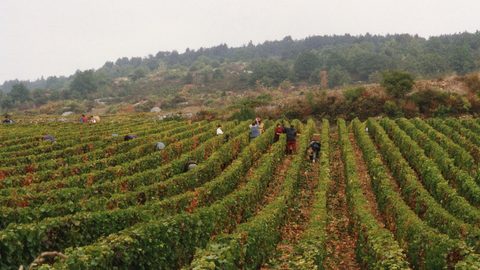
Harvest starts for white grapes in coastal Languedoc in late August, and red grapes in early September. The peak runs from mid September to early October. By September, the heat wave risk drops from the July and August highs. The water is still warm. Crowds thin out after the French school return in early September. The catch: domaine access drops near zero without a prior booking. Harvest means cellars are closed to visitors at most producers. Call or email in advance, ideally from August, to secure a tasting. If you want to see harvest activity working, September is your month. If you want to buy wine without hassle, June is better.
| Month | Weather Reality | What Is Open | What Goes Wrong |
|---|---|---|---|
| May | Warm, occasional Mistral drops perceived temp by 5 to 10°C for 3 to 7 days | All domaines, no appointment needed; most restaurants full schedule | Féria de Nîmes can overwhelm the city; book accommodation 2 months ahead |
| June | 27°C average high; ideal for cycling Canal du Midi | Full access; growers available; festivals start | Montpellier Danse tightens hotel availability; tramontane can hit 90 km/h for 1 to 3 days |
| July | 30°C average high; 15 to 25 heat wave days possible | Coastal restaurants busy but open; domaines start to thin | Population multiplies 5 to 10x on coast; Carcassonne July 14 fireworks crush the Cité |
| August first half | 29°C average high; heat still intense | Most domaines still open but closing for holidays | Traffic building; 30 to 50% inland restaurants close by 14:00 |
| August second half | Same heat, added traffic nightmare | 50 to 70% of small domaines closed; inland dining limited | A9 becomes parking lot; Féria de Béziers on 15 August; book nothing last minute |
| September | Warm, lower heat wave risk | Harvest runs, cellars closed; need prior booking for any tasting | Day trip to Cathar castles in 35°C still possible but exhausting without a pool to return to |

,_square_and_memorial.jpg)
The Wind Problem and What it Does to a Beach Day
What You Are Up Against
The tramontane wind blows hardest from November to March, with gusts from 60 to 130 km/h for one to three days at a time. It can hit any month. When it does, a beach day becomes miserable. Sand whips your skin. The sea is choppy. Even sheltered coves feel exposed. On the eastern side of the region, the Mistral affects the Gard and eastern Hérault, dropping the perceived temperature by 5 to 10°C for three to seven days per episode. If you book a week in June and the tramontane blows for three days, you need a backup. Head to an inland town like Pézenas or Uzès. Descend into the Grotte des Demoiselles. Find a wine tasting room that is not on an exposed ridge.
How to Pivot
Check the wind forecast before you set out for the beach. If the tramontane is over 60 km/h, skip the coast and go to a market town. Les Halles de Narbonne is open daily until 13:30 and works in any weather. Or drive to the Pont du Gard, where the great stone arch blocks some of the wind.
Common Questions
What is the absolute best month to visit Languedoc?
June, if you want full domaine access and good weather without peak crowds. September, if you accept that tastings need advance booking but you get quieter beaches and harvest activity. May is a close third but the Mistral can still ruin three days.
Can I find dinner in a small village after 14:00 outside summer?
No. Many inland village restaurants serve lunch only and close by 14:00. After that, your options are a larger town like Narbonne, Béziers or Montpellier's Écusson district, or a supermarket. Plan your driving route around a lunch stop in a market town.
How bad is the traffic really in late August?
The A9 autoroute becomes a parking lot during the French and European exodus. The D600 and D62 coastal roads turn a 20 minute drive into 90 minutes. The coastal population density multiplies by five to ten times versus off season.
Will I need a rental car?
Non negotiable for exploring beyond the main cities. Rural public transport is skeletal. Book automatic cars weeks in advance. Watch for the priorité à droite rule in villages, where cars shoot out from tiny side streets on the right without warning.
What about the mosquitoes?
Mosquitoes in the Camargue and Etang de Thau area are aggressive from June onwards. Bring a repellent for any terrace evening. They are worse near standing water and coastal marshes.
Are the Cathar castle day trips worth the drive?
Yes, but only if you base yourself inland for part of the trip. The common mistake is booking a single base near the coast and attempting day trips to inland Cathar castles in 38°C heat. That results in hours of exhausting driving. Split your stay between a historic inland base like Carcassonne or Lagrasse and a coastal spot like Sète or Narbonne.
When can I taste wine without an appointment?
Spring, from bud break in March or April through June. Most domaines are open and no appointment is needed. Growers are available after pruning finishes by mid afternoon. Harvest season from September onward requires booking ahead, and many small producers close for holidays in August and again from December to February.
Read next
-
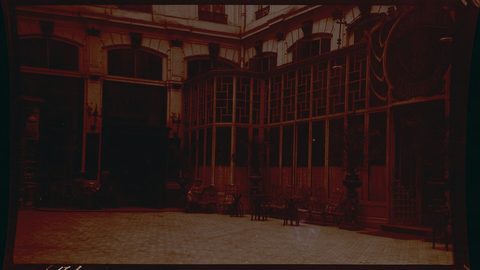
 Languedoc Hotels Town Stays Château Rooms and Chain Options Reviewed
Languedoc hotels range from Montpellier Écusson boutiques to Corbières château rooms and Béziers chain stays with easy parking. Summer availability disappears fast.
Languedoc Hotels Town Stays Château Rooms and Chain Options Reviewed
Languedoc hotels range from Montpellier Écusson boutiques to Corbières château rooms and Béziers chain stays with easy parking. Summer availability disappears fast.
-
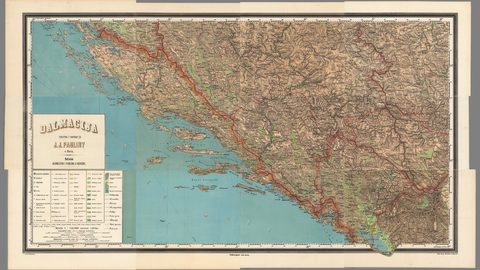 Where to Base a Languedoc Wine Trip Town Village or Domaine Stay
Montpellier delivers evening energy, Pézenas and Uzès offer market-town charm, and a Corbières domaine stay means zero driving after tastings. The smart move is splitting your base.
Where to Base a Languedoc Wine Trip Town Village or Domaine Stay
Montpellier delivers evening energy, Pézenas and Uzès offer market-town charm, and a Corbières domaine stay means zero driving after tastings. The smart move is splitting your base.
-
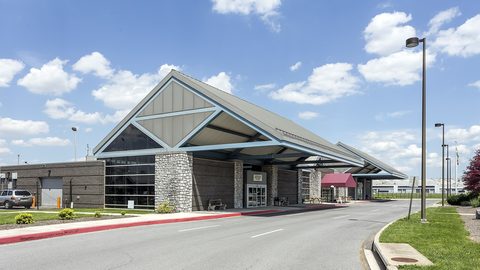 Flying into Languedoc via Montpellier, Toulouse, Carcassonne and Béziers
Montpellier and Toulouse are the main gateways to Languedoc, while Carcassonne and Béziers offer seasonal budget flights closer to the vineyards.
Flying into Languedoc via Montpellier, Toulouse, Carcassonne and Béziers
Montpellier and Toulouse are the main gateways to Languedoc, while Carcassonne and Béziers offer seasonal budget flights closer to the vineyards.
-
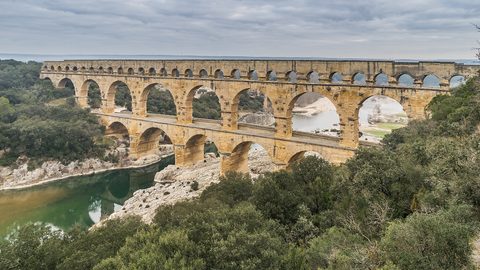 Montpellier Things to Do Beyond Wine Tasting and the Écusson Maze
Montpellier offers Romanesque churches, France's oldest botanical garden, and a major fine arts museum all within a walkable honey-stone old town.
Montpellier Things to Do Beyond Wine Tasting and the Écusson Maze
Montpellier offers Romanesque churches, France's oldest botanical garden, and a major fine arts museum all within a walkable honey-stone old town.
-
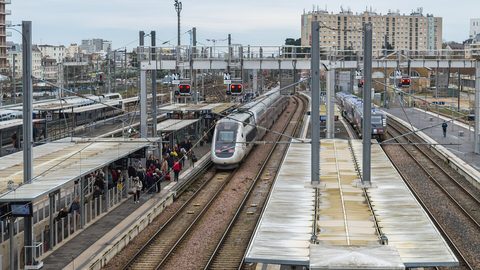 Getting Around Montpellier and Languedoc Wine Country Without Stress
A rental car is essential for inland Languedoc, but Montpellier's trams and regional TER trains serve the coast and cities well.
Getting Around Montpellier and Languedoc Wine Country Without Stress
A rental car is essential for inland Languedoc, but Montpellier's trams and regional TER trains serve the coast and cities well.
-
 Languedoc Itinerary for One Week, Ten Days and Two Weeks
Split a Languedoc trip between a coastal base like Montpellier and an inland base in the Minervois or Corbières to avoid exhausting day trips.
Languedoc Itinerary for One Week, Ten Days and Two Weeks
Split a Languedoc trip between a coastal base like Montpellier and an inland base in the Minervois or Corbières to avoid exhausting day trips.
-
 French Wine Regions and How a Trip Through Them Actually Works
How to plan a multi-region French wine trip that connects the dots between vineyards without spending every day driving, with Languedoc as the value-driven heart.
French Wine Regions and How a Trip Through Them Actually Works
How to plan a multi-region French wine trip that connects the dots between vineyards without spending every day driving, with Languedoc as the value-driven heart.
-
 Visiting French Wineries Appointments Etiquette and What It Costs
French winery visits differ sharply from New World cellar doors. Appointments, modest fees, and knowing when to spit are the norm, especially in Languedoc's working domaines.
Visiting French Wineries Appointments Etiquette and What It Costs
French winery visits differ sharply from New World cellar doors. Appointments, modest fees, and knowing when to spit are the norm, especially in Languedoc's working domaines.
-
 Vendange Harvest Season in France What It Means for Visitors
France's vendange transforms wine regions from late August. Domaines close to visitors, tractors block roads, but the harvest energy is unforgettable if you know where to go.
Vendange Harvest Season in France What It Means for Visitors
France's vendange transforms wine regions from late August. Domaines close to visitors, tractors block roads, but the harvest energy is unforgettable if you know where to go.