French Grape Harvest Season, Region by Region, and How It Affects Your Trip
France's vendange transforms wine regions from late August. Domaines close to visitors, tractors block roads, but the harvest energy is unforgettable if you know where to go.


French Grape Harvest Season, Region by Region, and How it Affects Your Trip
A blue tractor stacked with plastic crates creeps up a single-lane road in the Corbières hills at 07:30. The car behind it has nowhere to go for the next three kilometres. That scene repeats on every rural road in the Midi from late August through October, and it is the true sound of vendange. The French grape harvest is romanticised in films and wine-shop chatter. The reality is logistical chaos. It directly shapes what you can do, where you can eat, and how far you will drive on a given day.
Vendange starts in the south from late August, though the exact date depends on weather, grape variety, altitude and the vintage conditions. By late August, Picpoul de Pinet picks its whites. Corbières and Minervois follow in mid-month. Southwest France begins early to mid-month. Corsica follows the same window. Jura waits until late in the month through mid-October. A single storm can push a domaine back by ten days.
What Shuts Down And What Gets Better
During harvest, most domaines close to visitors. No tastings. No cellar-door sales. The grower is in the vineyard from 07:00 to 13:00, six days a week, and after that they are sorting fruit or managing fermentation. If you want to visit a specific producer, call them in July, before the crush starts. If they do not answer, assume they are closed.
Rural roads fill with slow-moving tractors, mud and grape debris. A 20-minute drive on the D62 between coastal campsites can stretch to 90 minutes in peak summer, and harvest traffic extends that problem into the following month. Plan departures before 07:00 or after 14:00.
Restaurants inland serve lunch only and close by 14:00. Finding dinner after a day of driving requires heading to a larger town such as Narbonne, Béziers or Montpellier. But the lunch tables fill with picking crews, and the energy in a village café at 12:30 during vendange is electric in a way high summer never is.
The Smell And Sound You Cannot Prepare For
Walk past a cellar during harvest and the air hits you with fermenting grape must, carbon dioxide and a yeasty-sweet cloud that sticks to your clothes. That smell means the domaine is working. Do not walk in unannounced. Carbon dioxide can pool in low cellars, and growers do not want liability for curious visitors.
Larger domaines and cooperatives offer harvest experiences: a morning cutting grapes, a shared lunch, a tasting afterward. These are the exception, not the rule. They book out weeks ahead. Ask at the local tourist office in Saint-Chinian or Banyuls-sur-Mer for leads.
Harvest Festivals: The Better Bet For Visitors
If you cannot get onto a domaine, target a Fête des Vendanges. These harvest festivals run on weekends from mid-September to late October. Banyuls-sur-Mer holds the Banyuls Vendanges festival with barrel tastings and port-side stalls. Saint-Chinian runs its own Fête des Vendanges. These events are loud, crowded and fun. Arrive by 10:00, park outside the village, and bring cash. Expect locals, not tourists.
Languedoc as Your Anchor: Pros, Cons and a Realistic Itinerary
The Midi is the anchor region because its vendange starts earliest in mainland France, runs longest, and offers the widest range of visitor experiences. But the region demands a specific type of traveller.
This is not a city. It is a sprawling, sun-scorched region from the Rhône to the Pyrenees. Visitors expecting a compact, walkable destination are disoriented by the distances. The pace is stubbornly slow. Many shops and restaurants close for long afternoon breaks, and the intense summer heat feels punishing without a pool or a stone house to retreat into. This place is best for independent road-trippers, wine tourists focused on value-driven domaines, history buffs obsessed with Cathar castles, and budget-conscious families who want a self-catering villa. It is not for luxury resort seekers, nightlife-first travellers, or anyone reliant on public transport.
Split your time between a historic inland base and the coast. Minimum five days. Anything less and you spend the entire trip in the car.
The Harvest Experience If You Want To Pick
You can work the vendange, but the conditions are specific. The legal minimum hourly pay for vendangeurs is €11.88, the SMIC horaire brut set by French government decree. Hours run 07:00 to 13:00, six days per week, weather-dependent. The work involves repetitive bending and lifting up to 15 kg outdoors in heat or rain. Minimum age is 16, with derogations possible from 14 for family farms.
To find a picking job, you have two routes. Informal arrangements with small domaines: show up in late August, ask at a village bar, and offer to work for a week. Official seasonal job platforms such as Pôle Emploi or ANEFA list paid positions. Accommodation is provided in basic on-site lodgings or campsites. Piece-rate pay is possible but must not result in pay below the SMIC hourly equivalent.
Do not expect to learn much about wine. You will cut grapes, carry buckets, and eat lunch with the crew. If your goal is education, book a harvest experience at a larger domaine instead.
What A Harvest Trip Costs And Takes
A rental car is non-negotiable. Book an automatic weeks in advance. The thing that trips visitors up is the priorité à droite rule in villages, where cars shoot out from tiny side streets on the right without warning. 4G coverage drops to zero in the deep gorges of the Caroux and in many Cathar castle car parks. Download offline maps before heading into the Haut Languedoc backcountry.
Arrive via Montpellier Méditerranée Airport (MPL), where bus line 620 to Place de l'Europe takes 20 minutes for tram connections, or via Toulouse-Blagnac (TLS), where tram T2 connects to the city centre in 35 minutes for €1.80. Carcassonne Airport (CCF) is an option for seasonal Ryanair flights, with a taxi into the Cité costing €15-20 in 15 minutes.
Accommodation prices peak in July and August. Late in the month prices drop by 30-40% at coastal hotels, though the water is still warm enough for swimming through early October.
Table: Vendange Start Windows For Key Appellations
The dates below shift annually with weather and vintage conditions. These are the windows for the current year.
Other Regions, Other Windows: a Quick Comparison
If the Midi does not fit your timing, these regions offer different harvest calendars:
Southwest France starts early to mid-September. Base in Albi or Cahors. The pace is quieter than the coast, and smaller domaines are more likely to offer impromptu tastings because they see fewer tourists.
Corsica also starts early to mid-September. The vendange here is short and intense, driven by the island's heat. Ferries and flights fill by mid-August. Book both by June.
Jura runs late in the month to mid-October. This is the best bet for a harvest trip that overlaps with autumn colour, lower crowds, and cooler weather. The wines are unusual (vin jaune, vin de paille) and the domaines are small and personal. The region is remote, with a skeletal public transport network.
In every region, the rule is the same: call ahead, do not show up to a closed cellar, and plan your driving around tractor traffic between 07:00 and 13:00.


Worth it if
- Electric local energy in village cafés and lunch spots during picking season
- Harvest festivals on weekends from mid-September to late October with local food, wine and crowds
- Accommodation prices drop 30-40% from July peaks by late in the month
- Warm swimming weather on the coast through early October
- Opportunity to work the vendange for pay or experience through informal arrangements or official job platforms
Skip it if
- Most domaines close to visitors entirely during harvest, no tastings or cellar sales
- Rural roads clog with slow tractors, mud and grape debris; 20-minute drives can take 90 minutes
- Inland restaurants serve lunch only and close by 14:00; dinner requires driving to a larger town
- Carbon dioxide in fermenting cellars makes impromptu visits unsafe and unwelcome
- The heat and physical demands of picking work are significant: bending, lifting 15 kg, 07:00-13:00 six days a week
Read next
-
 Languedoc Hotels Town Stays Château Rooms and Chain Options Reviewed
Languedoc hotels range from Montpellier Écusson boutiques to Corbières château rooms and Béziers chain stays with easy parking. Summer availability disappears fast.
Languedoc Hotels Town Stays Château Rooms and Chain Options Reviewed
Languedoc hotels range from Montpellier Écusson boutiques to Corbières château rooms and Béziers chain stays with easy parking. Summer availability disappears fast.
-
 Where to Base a Languedoc Wine Trip Town Village or Domaine Stay
Montpellier delivers evening energy, Pézenas and Uzès offer market-town charm, and a Corbières domaine stay means zero driving after tastings. The smart move is splitting your base.
Where to Base a Languedoc Wine Trip Town Village or Domaine Stay
Montpellier delivers evening energy, Pézenas and Uzès offer market-town charm, and a Corbières domaine stay means zero driving after tastings. The smart move is splitting your base.
-
 Flying into Languedoc via Montpellier, Toulouse, Carcassonne and Béziers
Montpellier and Toulouse are the main gateways to Languedoc, while Carcassonne and Béziers offer seasonal budget flights closer to the vineyards.
Flying into Languedoc via Montpellier, Toulouse, Carcassonne and Béziers
Montpellier and Toulouse are the main gateways to Languedoc, while Carcassonne and Béziers offer seasonal budget flights closer to the vineyards.
-
 Montpellier Things to Do Beyond Wine Tasting and the Écusson Maze
Montpellier offers Romanesque churches, France's oldest botanical garden, and a major fine arts museum all within a walkable honey-stone old town.
Montpellier Things to Do Beyond Wine Tasting and the Écusson Maze
Montpellier offers Romanesque churches, France's oldest botanical garden, and a major fine arts museum all within a walkable honey-stone old town.
-
 Best Time to Visit Montpellier and the Languedoc Coast
May, June and September offer warm days without the August traffic gridlock, 35°C heat, and packed coastal resorts.
Best Time to Visit Montpellier and the Languedoc Coast
May, June and September offer warm days without the August traffic gridlock, 35°C heat, and packed coastal resorts.
-
 Getting Around Montpellier and Languedoc Wine Country Without Stress
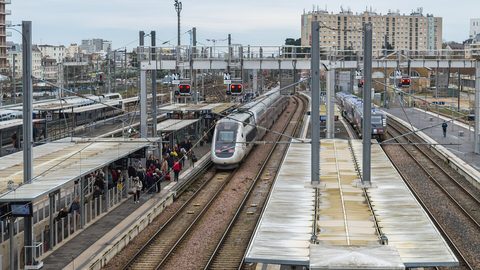
A rental car is essential for inland Languedoc, but Montpellier's trams and regional TER trains serve the coast and cities well.
Getting Around Montpellier and Languedoc Wine Country Without Stress
A rental car is essential for inland Languedoc, but Montpellier's trams and regional TER trains serve the coast and cities well.
-
 French Wine Regions and How a Trip Through Them Actually Works
How to plan a multi-region French wine trip that connects the dots between vineyards without spending every day driving, with Languedoc as the value-driven heart.
French Wine Regions and How a Trip Through Them Actually Works
How to plan a multi-region French wine trip that connects the dots between vineyards without spending every day driving, with Languedoc as the value-driven heart.
-
 Visiting French Wineries Appointments Etiquette and What It Costs
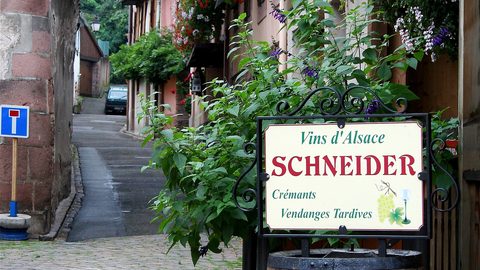
French winery visits differ sharply from New World cellar doors. Appointments, modest fees, and knowing when to spit are the norm, especially in Languedoc's working domaines.
Visiting French Wineries Appointments Etiquette and What It Costs
French winery visits differ sharply from New World cellar doors. Appointments, modest fees, and knowing when to spit are the norm, especially in Languedoc's working domaines.
-
 Reading a French Wine Label Without the Grape Name on the Front
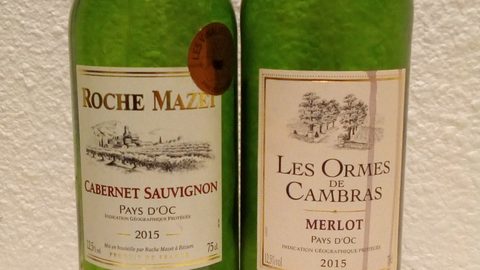
French wine labels name places, not grapes. Learn to decode AOC Languedoc, Corbières, and Pic Saint-Loup bottles using appellation hierarchy, producer name, and bottling phrases.
Reading a French Wine Label Without the Grape Name on the Front
French wine labels name places, not grapes. Learn to decode AOC Languedoc, Corbières, and Pic Saint-Loup bottles using appellation hierarchy, producer name, and bottling phrases.