How to Visit a French Winery Without Making a Faux Pas
French winery visits differ sharply from New World cellar doors. Appointments, modest fees, and knowing when to spit are the norm, especially in Languedoc's working domaines.


You Need an Appointment. Walk-Ins Are the Exception, Not the Rule
A French winery is a working farm, not a tasting bar. The domaine model means the person pouring your wine likely pruned those vines at 6:00 AM. Appointments are required at nearly all cave particuliere, the estate-level cellars. Same-day or walk-in visits are rare outside large branded estates or cooperative outlets. Show up unannounced at a small domaine in the Minervois and you will find a locked gate and a barking dog, not a friendly pour.
Book by phone or email. The standard phrase is Bonjour, je voudrais prendre rendez-vous pour une degustation. English email is widely accepted; most medium and large estates in AOC areas like Pic Saint-Loup and La Clape have English-speaking staff. Respond the same day if possible. Winemakers are not checking inboxes after 6 PM.
What a Visit Costs and What You Actually Get
Fees at a cave particuliere run from free to €10 per person. When there is a charge, it is deducted from any purchase you make. Cave cooperative visits are usually free, but the expectation to buy afterwards is socially real. Plan on a token purchase, a single bottle or two, to acknowledge the time given.
Case minimums vary by estate. Six or twelve bottles is common. Shipping within the EU costs €15 to €30 per case of 12. Some estates ship outside the EU, but customs and import duties in your destination country are your problem, not the winery's.
Spit. it is Professional, Not Rude
Why Spittoons Are on Every Counter
Spittoons sit on every serious counter for a reason. Using them shows you are evaluating, not just drinking. French law sets the blood alcohol limit at 0.5 g/L for regular drivers and 0.2 g/L for probationary licence holders. A single 12% ABV glass can put you over. Spitting is the standard. Do it.
If you are driving, the spittoon is not optional. It is a legal requirement for the driver. Hire a driver if you want to swallow everything. Private wine tour drivers charge €250 to €400 per half day for up to four people. That pays for the freedom to sample without counting millilitres.
The Languedoc Dynamic Vs. Bordeaux
Two Regions, Two Cultures
Languedoc domaines are aggressively unpretentious. Your visit may happen in a concrete cuverie surrounded by stainless steel tanks, not a polished salon. The owner may be in work clothes. This is not a lack of hospitality. It is the culture. Bordeaux chateaux, by contrast, have dedicated reception rooms, set appointment windows, and multilingual staff prepared for a scripted tour.
The post-Covid shift toward paid, structured visits has landed harder in Languedoc than in Bordeaux. More domaines now charge a fee and schedule slots by the hour rather than accepting a flood of unannounced visitors. Book ahead, even for the small ones.
Hours That Will Trip You Up
Opening hours are 09:00 to 12:00 and 14:00 to 18:00, Monday through Saturday. The 12:00 to 14:00 lunch closure is near universal. Sunday opening is rare for cave particuliere, though some cave cooperative open Sunday morning. Do not plan a drive between noon and 2 PM. It will fail.
Stuck in rural Minervois or Corbieres at 1 PM with a locked gate? Drive to the nearest large town and find a cafe. The smaller the village, the less English is spoken. Basic French is required to order beyond a menu anywhere inland.
The Cave Cooperative: Your Backup Plan
When the Domaine Is Closed
Head for the cave cooperative. These are outlets run by a growers' collective, pouring wines from multiple member growers under collective labels. No appointment is needed. Drop in during opening hours. The format is self-service or counter service, less personal than a domaine visit, but you can sample a wide range of appellations and vintages.
What to Expect Inside
French is dominant at cooperatives. English is less guaranteed. Ask: Quelles sont les appellations disponibles? (Which appellations are available?) and Pouvez-vous recommander un vin typique de ce terroir? (Can you recommend a wine typical of this terroir?). The cooperative is your best source for a €6 bottle that drinks like a €15 estate wine.


How to Get There Without a Car? Hard but Possible
A rental car is non-negotiable for exploring beyond main cities. Automatic cars must be booked weeks in advance. The rural train and bus network is skeletal. If you cannot or will not drive, three alternatives exist.
- Hire a driver: Private wine tour drivers charge €250 to €400 per half day for up to four people. The most comfortable option.
- Bicycle: Rental costs €15 to €25 per day. Many domaines sit within cycling distance of villages like Pezenas and Saint-Chinian. The Canal du Midi towpath is flat and shaded.
- Walkable bases: Saint-Chinian, Faugeres, and La Liviniere each have multiple domaines within walking distance. Stay in one of these and you can visit without a car.
What to Ask the Winemaker
Two Questions That Get Results
Two questions get you the best information at a cave particuliere. First: Quels sont vos cepages principaux? (What are your main grape varieties?). Second: Quel est le rendement moyen? (What is the average yield?). Low yields mean concentrated wines. Winemakers respect the question. At a cooperative, ask which appellations are available and request a wine typical of that specific terroir.
Do not ask for a wine list. You get what they pour. Do not ask for a discount on cases. The price is the price. Do not ask for ice. Red wine is served at cellar temperature, not chilled.
The One Thing That Most Often Goes Wrong
Visitors underestimate the scale of Languedoc. It stretches from the Rhone to the Pyrenees. Booking a single base near the coast and attempting day trips to inland Cathar castles in 38°C heat results in hours of exhausting driving, not a relaxed holiday. Split your stay. A historic inland base, say Pezenas or Lagrasse, paired with a coastal spot like Sete or Narbonne avoids crushing five-hour round trips. Allow five days minimum to do that without spending the entire trip in a car.
| Feature | Cave Particuliere (Single Estate) | Cave Cooperative (Growers' Collective) |
|---|---|---|
| Appointment Needed | Yes, required | Usually no, drop-ins common |
| Visit Fee | Free to €10 per person, deducted from purchase | Usually free |
| Visit Format | Guided by owner or family member, includes cellar tour | Self-service or counter service, less personal |
| Language | French default, English common in AOC areas with visitors | French dominant, English less guaranteed |
| Wine Selection | Only wines from that estate's grapes | Multiple appellations and vintages from member growers |
| Expectation To Buy | Socially expected, token purchase sufficient | Socially expected, token purchase sufficient |
Read next
-
 Languedoc Hotels Town Stays Château Rooms and Chain Options Reviewed
Languedoc hotels range from Montpellier Écusson boutiques to Corbières château rooms and Béziers chain stays with easy parking. Summer availability disappears fast.
Languedoc Hotels Town Stays Château Rooms and Chain Options Reviewed
Languedoc hotels range from Montpellier Écusson boutiques to Corbières château rooms and Béziers chain stays with easy parking. Summer availability disappears fast.
-
 Where to Base a Languedoc Wine Trip Town Village or Domaine Stay
Montpellier delivers evening energy, Pézenas and Uzès offer market-town charm, and a Corbières domaine stay means zero driving after tastings. The smart move is splitting your base.
Where to Base a Languedoc Wine Trip Town Village or Domaine Stay
Montpellier delivers evening energy, Pézenas and Uzès offer market-town charm, and a Corbières domaine stay means zero driving after tastings. The smart move is splitting your base.
-
 Flying into Languedoc via Montpellier, Toulouse, Carcassonne and Béziers
Montpellier and Toulouse are the main gateways to Languedoc, while Carcassonne and Béziers offer seasonal budget flights closer to the vineyards.
Flying into Languedoc via Montpellier, Toulouse, Carcassonne and Béziers
Montpellier and Toulouse are the main gateways to Languedoc, while Carcassonne and Béziers offer seasonal budget flights closer to the vineyards.
-
 Montpellier Things to Do Beyond Wine Tasting and the Écusson Maze
Montpellier offers Romanesque churches, France's oldest botanical garden, and a major fine arts museum all within a walkable honey-stone old town.
Montpellier Things to Do Beyond Wine Tasting and the Écusson Maze
Montpellier offers Romanesque churches, France's oldest botanical garden, and a major fine arts museum all within a walkable honey-stone old town.
-
 Best Time to Visit Montpellier and the Languedoc Coast
May, June and September offer warm days without the August traffic gridlock, 35°C heat, and packed coastal resorts.
Best Time to Visit Montpellier and the Languedoc Coast
May, June and September offer warm days without the August traffic gridlock, 35°C heat, and packed coastal resorts.
-
 Getting Around Montpellier and Languedoc Wine Country Without Stress
A rental car is essential for inland Languedoc, but Montpellier's trams and regional TER trains serve the coast and cities well.
Getting Around Montpellier and Languedoc Wine Country Without Stress
A rental car is essential for inland Languedoc, but Montpellier's trams and regional TER trains serve the coast and cities well.
-
 French Wine Regions and How a Trip Through Them Actually Works
How to plan a multi-region French wine trip that connects the dots between vineyards without spending every day driving, with Languedoc as the value-driven heart.
French Wine Regions and How a Trip Through Them Actually Works
How to plan a multi-region French wine trip that connects the dots between vineyards without spending every day driving, with Languedoc as the value-driven heart.
-
 Vendange Harvest Season in France What It Means for Visitors
France's vendange transforms wine regions from late August. Domaines close to visitors, tractors block roads, but the harvest energy is unforgettable if you know where to go.
Vendange Harvest Season in France What It Means for Visitors
France's vendange transforms wine regions from late August. Domaines close to visitors, tractors block roads, but the harvest energy is unforgettable if you know where to go.
-
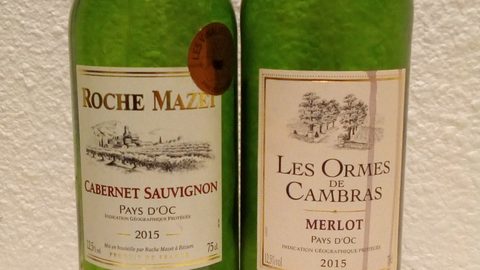 Reading a French Wine Label Without the Grape Name on the Front
French wine labels name places, not grapes. Learn to decode AOC Languedoc, Corbières, and Pic Saint-Loup bottles using appellation hierarchy, producer name, and bottling phrases.
Reading a French Wine Label Without the Grape Name on the Front
French wine labels name places, not grapes. Learn to decode AOC Languedoc, Corbières, and Pic Saint-Loup bottles using appellation hierarchy, producer name, and bottling phrases.