A Languedoc Road Trip Itinerary: Splitting Time Between Coast and Cathar Country
Split a Languedoc trip between a coastal base like Montpellier and an inland base in the Minervois or Corbières to avoid exhausting day trips.
The One-Base Mistake That Wrecks a Languedoc Trip
You look at a map of Languedoc and you see the city of Montpellier, Carcassonne, the coast. They look close. They are not. The region sprawls from the Rhône to the Pyrenees, and a single base near the beach forces 90 minute drives each way to reach the inland Cathar castles. You waste three hours in the car in 35°C heat, arrive at Peyrepertuse too tired to climb, and drive back cursing. The fix is a dual base structure: three nights on the coast in the Hérault capital or Narbonne for the lagoons, city streets and Roman ruins, then three nights inland near the fortress city or in the Minervois for the castles, abbeys and wine villages. That is the only way to see both halves without spending your holiday in traffic.
Minimum Viable Trip: 5 Days with No Margin for Error
Days 1, 2: The Coastal Start
Five days is the shortest span that works. Spend the first two nights in Montpellier. Arrive at the Méditerranée airport, take bus line 620 to Place de l'Europe for €1.80 in 20 minutes, then the tram to the Écusson. Day one covers the Place de la Comédie and the pedestrian labyrinth of the old town. Day two is a morning at Les Halles de Narbonne, open daily until 13:30, then the Horreum underground tunnels and the Canal du Midi at the Fonseranes 9 locks in Béziers.
Days 3, 5: The Inland Shift
Drive 40 minutes north to your second base near Carcassonne for the final two nights. Day three is the Cité: walk the ramparts free, pay for the Château Comtal inside. Day four pick one Cathar castle, Château de Peyrepertuse or Château de Quéribus, but arrive by 09:00 to beat the heat and the climb. Day five drive to the local airport for a €15 taxi into the Cité, or to Toulouse airport.


The 10 Day Balanced Split: Coast, Castles and the Canal
The Forward Loop
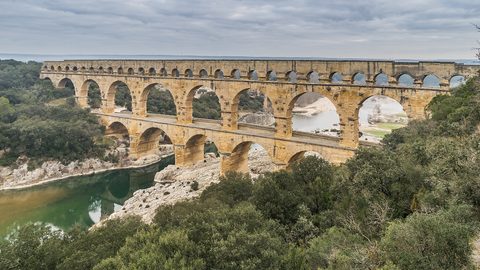
A ten day Languedoc road trip gives you room for the full loop on the fact sheet. It totals about 350 km of driving. Base yourself in Montpellier for three nights, Uzès for two nights, then Sète for two nights. From the regional hub take the 30 minute TER train to Nîmes for the Arènes and the Maison Carrée. Book the Arènes guided rooftop access ahead. Drive to Pont du Gard, and book parking online in advance. Then Uzès for its Saturday market and ducal palace, followed by Anduze and Saint-Guilhem-le-Désert in the gorge. Finish in Sète for oysters at a Bassin de Thau waterside shack with a glass of Picpoul de Pinet. Return to Montpellier for the flight out.
The Reverse Loop
To avoid the coast crowds in July and August, do the opposite: base inland first. The failure case here is a single booking that commits you to one side. Book refundable rooms for the first three nights and the last three nights separately. You can shift your dates if the tramontane wind pins you indoors or the traffic on the D600 turns a 20 minute drive into 90 minutes.
| Itinerary | Total Days | Bases | Total Driving | Best For |
|---|---|---|---|---|
| Minimum Viable | 5 | Montpellier + Carcassonne area | ~200 km | Tight schedule, one Cathar castle |
| Balanced Loop | 10 | Montpellier, Uzès, Sète | ~350 km | Coast, Roman sites, canal, beach |
| Deep Dive Inland | 14 | Montpellier, Carcassonne, Narbonne, Haut Languedoc | ~600 km | All Cathar castles, Abbaye de Fontfroide, Spanish border |

.jpg)
14 Days: Adding the Haut Languedoc and the Spanish Border
The Southern Extension
A fortnight lets you extend south to Perpignan and Collioure, and west into the Haut Languedoc. Start with four nights in Montpellier. Then drive to Carcassonne for two nights, using the spare day for the Abbaye de Fontfroide. Book the wine tasting ahead. Then one night in Narbonne to see the cathedral and the Horreum. Then one night in Sète before a ferry to Corsica if you have the appetite for a 12 hour overnight crossing with Corsica Ferries, running 3 to 4 times per week in summer. Or skip Corsica and drive to Cirque de Navacelles, a collapsed limestone canyon that requires a vertiginous descent, then Grotte des Demoiselles with its funicular. From there reach the Spanish border at Collioure, 1 hour by TER train from Narbonne, for the Fauvist painted port and anchovies.
The Pace Warning
The failure case at 14 days is boredom with the slow tempo. Languedoc is a place of village fêtes and quiet squares. If you need a late club or a buzzing après beach scene, skip the Haut Languedoc and stay on the coast.
Harvest Season: Late August To Early October
Wine tourists should time their trip for the harvest. Whites start around mid August, reds in early September, late ripening varieties finish by mid October. Budget 30 to 50 percent more time per domaine visit. Staff are unavailable for tastings, reduced opening hours apply, and agricultural vehicles slow the roads. Expect 2 to 3 visits per day max. The common error is scheduling 5 to 6 domaines. You will arrive after lunch closure at 14:00 and find nobody home. Book appointments: 80 percent of quality focused domaines require one. Drive the Minervois or the Corbières, not the flashy appellations, for value driven unpretentious tasting rooms.
Common Questions
What is the biggest mistake people make on a Languedoc road trip itinerary?
Booking a single base on the coast and trying to day trip inland. The distances are too far. The heat in July and August hits 35°C and the tramontane wind can blow at 90 km/h. Split your nights into two bases, one coastal and one inland.
Can I do this trip without a car?
A rail only version works from Montpellier Saint Roch station. Reachable towns include Nîmes in 30 minutes, Sète in 20, Narbonne in 50, Carcassonne in 90, Perpignan in 120, Avignon in 60, Toulouse in 120. Base in Montpellier for 3 nights, Nîmes for 2, Carcassonne for 2. Total train time is about 10 hours over 7 days. You miss the Cathar castles and rural domaines.
When should I avoid Languedoc entirely?
The second half of August, when the A9 autoroute becomes a parking lot during the French exodus. Avoid the Feria de Nîmes on Pentecost weekend and the July 14 fireworks in the medieval citadel if you hate crowds. July and August coastal populations multiply by ten.
Which Cathar castle should I pick if I only have time for one?
Château de Peyrepertuse on a knife edge ridge. It is a strenuous climb. Arrive by 09:00 to beat the heat. If you want a shorter walk, pick Château de Quéribus, the last Cathar stronghold, high but less vertical.
Is English widely spoken in rural areas?
No. English is far less common in the rural Minervois or Corbières villages than on the coast. Learn basic French to order beyond a menu. Download offline maps before entering deep gorges where 4G drops to zero.
How do I deal with the afternoon closure of shops and restaurants?
Many inland village restaurants only serve lunch and close by 14:00. Dinner after a day out requires driving to a larger town. Buy picnic supplies at a morning market. Les Halles de Narbonne is open daily until 13:30.
What is the best way to reach the region?
Toulouse Blagnac airport is the western gateway, with tram T2 to the city centre in 35 minutes for €1.80. Montpellier Méditerranée serves the east. Carcassonne is a small airport with seasonal Ryanair flights; a taxi to the Cité costs €15 in 15 minutes.
Read next
-
 Languedoc Hotels Town Stays Château Rooms and Chain Options Reviewed
Languedoc hotels range from Montpellier Écusson boutiques to Corbières château rooms and Béziers chain stays with easy parking. Summer availability disappears fast.
Languedoc Hotels Town Stays Château Rooms and Chain Options Reviewed
Languedoc hotels range from Montpellier Écusson boutiques to Corbières château rooms and Béziers chain stays with easy parking. Summer availability disappears fast.
-
 Where to Base a Languedoc Wine Trip Town Village or Domaine Stay
Montpellier delivers evening energy, Pézenas and Uzès offer market-town charm, and a Corbières domaine stay means zero driving after tastings. The smart move is splitting your base.
Where to Base a Languedoc Wine Trip Town Village or Domaine Stay
Montpellier delivers evening energy, Pézenas and Uzès offer market-town charm, and a Corbières domaine stay means zero driving after tastings. The smart move is splitting your base.
-
 Flying into Languedoc via Montpellier, Toulouse, Carcassonne and Béziers
Montpellier and Toulouse are the main gateways to Languedoc, while Carcassonne and Béziers offer seasonal budget flights closer to the vineyards.
Flying into Languedoc via Montpellier, Toulouse, Carcassonne and Béziers
Montpellier and Toulouse are the main gateways to Languedoc, while Carcassonne and Béziers offer seasonal budget flights closer to the vineyards.
-
 Montpellier Things to Do Beyond Wine Tasting and the Écusson Maze
Montpellier offers Romanesque churches, France's oldest botanical garden, and a major fine arts museum all within a walkable honey-stone old town.
Montpellier Things to Do Beyond Wine Tasting and the Écusson Maze
Montpellier offers Romanesque churches, France's oldest botanical garden, and a major fine arts museum all within a walkable honey-stone old town.
-
 Best Time to Visit Montpellier and the Languedoc Coast
May, June and September offer warm days without the August traffic gridlock, 35°C heat, and packed coastal resorts.
Best Time to Visit Montpellier and the Languedoc Coast
May, June and September offer warm days without the August traffic gridlock, 35°C heat, and packed coastal resorts.
-
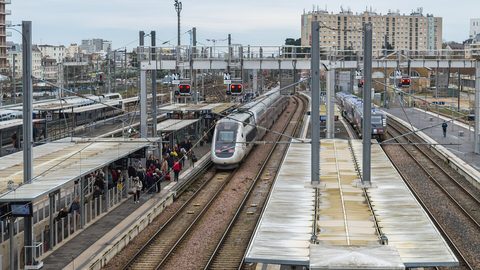 Getting Around Montpellier and Languedoc Wine Country Without Stress
A rental car is essential for inland Languedoc, but Montpellier's trams and regional TER trains serve the coast and cities well.
Getting Around Montpellier and Languedoc Wine Country Without Stress
A rental car is essential for inland Languedoc, but Montpellier's trams and regional TER trains serve the coast and cities well.
-
 French Wine Regions and How a Trip Through Them Actually Works
How to plan a multi-region French wine trip that connects the dots between vineyards without spending every day driving, with Languedoc as the value-driven heart.
French Wine Regions and How a Trip Through Them Actually Works
How to plan a multi-region French wine trip that connects the dots between vineyards without spending every day driving, with Languedoc as the value-driven heart.
-
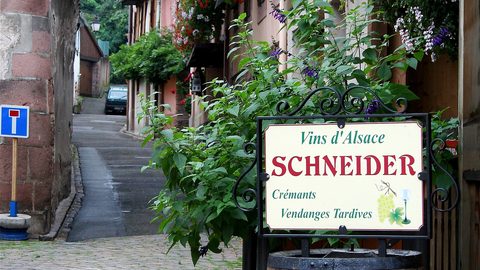 Visiting French Wineries Appointments Etiquette and What It Costs
French winery visits differ sharply from New World cellar doors. Appointments, modest fees, and knowing when to spit are the norm, especially in Languedoc's working domaines.
Visiting French Wineries Appointments Etiquette and What It Costs
French winery visits differ sharply from New World cellar doors. Appointments, modest fees, and knowing when to spit are the norm, especially in Languedoc's working domaines.
-
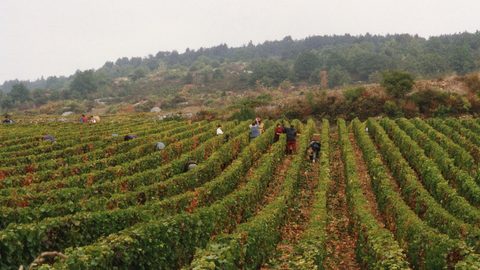 Vendange Harvest Season in France What It Means for Visitors
France's vendange transforms wine regions from late August. Domaines close to visitors, tractors block roads, but the harvest energy is unforgettable if you know where to go.
Vendange Harvest Season in France What It Means for Visitors
France's vendange transforms wine regions from late August. Domaines close to visitors, tractors block roads, but the harvest energy is unforgettable if you know where to go.