Getting Around Corsica: Roads, Car Rental, and Driving Advice
Getting around Corsica for a wine trip: why a rental car is essential, how to book an automatic in advance, and what to expect on the D80 Cap Corse corniche and mountain roads.
Getting Around Corsica: Roads, Car Rental, and Driving Advice
You cannot piece together taxis, tours, or the train and still reach the vineyards you came for. A rental car is non-negotiable. The train line between Bastia and the western capital is scenic but does not reach a single vineyard. Hired drivers cost €250 to €400 for a half day. Two stops becomes ruinously expensive. The only way to visit the Patrimonio, Sartène, or Ajaccio wine zones at your own pace is to drive yourself.
The catch: automatic cars make up less than ten percent of the rental fleet in Corsica. Book one three to six months ahead. If you arrive in June without a reservation for an automatic, you will be driving a manual or paying for a VTC driver. Book your car the same week you book your flights.
_1.jpg)
The Reality of Corsican Roads
Coastal Corniches and Mountain Passes
Corsican roads are narrower, slower, and more demanding than the map suggests. The D80 around Cap Corse is a single-lane corniche carved into cliffs. Oncoming traffic means reversing to a passing point. Average speed on mountain roads is 30 to 40 km/h. The drive from the western capital to Calvi (164 km) takes 3 to 3.5 hours, not the two hours a mainland driver might expect.
The inland D-roads (D81, D268, and most routes through the interior) have single-lane sections with no guardrails. The Col de Vizzavona on the route to Bastia sits at 1,163 metres, with tight switchbacks and morning fog. Rent the smallest car that fits your group. A compact is essential. A large SUV is a liability in villages where cars must squeeze past each other.
The Rule That Trips Up Visitors
The rule that catches drivers out is priorité à droite. In villages, drivers on side streets to your right have the right of way, even if they appear abruptly. Watch for cars shooting out from tiny alleys without stopping. The fine for ignoring it is the same as any moving violation.
Ajaccio Airport Rental Desks and Fuel Stops
Pick Up the Car Immediately
Ajaccio airport (Aéroport d'Ajaccio Napoléon Bonaparte, code AJA) is 5 km from the city centre, a 15 to 20 minute drive. All major international rental agencies have desks inside the arrivals hall. Pick up the car the moment you land. Do not take a taxi into town and plan to collect a car the next day; that wastes a half day and the airport desks have the best vehicle availability.
Fuel Before You Leave the Coast
Fuel becomes sparse in the interior. Fill your tank before leaving Bastia, Calvi, Porto-Vecchio, or the island's capital. Petrol stations in mountain villages close for lunch (12:00 to 14:30) and may close entirely on Sunday. If you are driving the D81 through the Spelunca Gorges or the D268 to the Col de Bavella, you will not see a pump for 80 km. Carry a 5-litre emergency can if your rental allows it.
Parking in the old town is tight. The paid lot at the Gare Maritime (Port de Commerce) costs roughly €2 per hour and is a five-minute walk to the Cours Napoléon. For wine tastings in Patrimonio or Sartène, street parking is free and ample. Never park in a bus bay or blocking a village gate; local enforcement tows quickly.
| Destination | Distance | Driving Time |
|---|---|---|
| Bastia | 153 km | 2 h 45 min – 3 h 15 min |
| Bonifacio | 130 km | 2 h 15 min – 2 h 45 min |
| Calvi | 164 km | 3 h – 3 h 30 min |
| Corte | 85 km | 1 h 30 min – 1 h 45 min |
| Porto-Vecchio | 135 km | 2 h 15 min – 2 h 45 min |

Why the Train is Not Your Primary Option
The Trinighellu (Chemin de Fer de la Corse) runs a coastal route from the western capital through Corte and Ponte-Leccia to Bastia. The journey takes 3.5 to 4 hours, roughly the same as driving, but the train does not serve any wine appellation directly. Patrimonio, Sartène, and the local vineyards are a taxi ride from the nearest station. With only four or five departures per day, a missed train means a three-hour wait.
One Day, One Way
The train is worth exactly one day of your trip. Do it on a rest day between drives. The section from the coast to Corte (1 h 45 min to 2 h) crosses the 1,163-metre Col de Vizzavona on a narrow-gauge line with panoramic views of the Monte Rotondo massif. Pack a picnic and ride it one way to Corte, then drive back. For the other six days of a wine trip, the car is the only option.
Common Questions
Do I need an automatic car for driving in Corsica?
No, but you probably want one. More than 90% of the rental fleet is manual. Automatic cars must be booked 3 to 6 months ahead, especially for summer. If you cannot drive a manual on narrow mountain roads, book an automatic at the same time you book your ferry or flight.
What is the legal blood alcohol limit for drivers in Corsica?
The limit is 0.5 g/L of blood alcohol for fully licensed drivers. For novice drivers (licence held less than three years), the limit is 0.2 g/L. The on-the-spot fine for a first offence is €135 to €750. Licence suspension can be up to three years.
Can I reach the vineyards by train?
No. The Trinighellu train line between the west coast and Bastia is scenic but stops in Corte, Ponte-Leccia, and small mountain villages. No wine appellation has a station within walking distance. Patrimonio and Sartène are walkable once you arrive, but you need a car or taxi to get there.
What is the minimum age to rent a car in Corsica?
The minimum driver age is 21 years. If you are under 25, expect a young-driver surcharge. Some agencies may require a credit card in the driver's name and a clean licence held for at least one year.
How fast can I drive on mountain roads like the D81 or D268?
Expect an average of 30 to 40 km/h on mountain roads. Single-lane sections are common, and you may need to reverse to let oncoming traffic pass. A 50 km stretch of the D81 through the Spelunca Gorges can take 90 minutes.
Where do I refuel in rural Corsica?
Fill up in Bastia, Calvi, Porto-Vecchio, or the island's capital before heading inland. Petrol stations in mountain villages close for lunch (12:00 to 14:30) and may close on Sunday. The D81 and D268 have no pumps for roughly 80 km. Carry an emergency can if your rental permits it.
Is the Trinighellu train worth doing at all?
Yes, but only as a one-day scenic excursion. Ride from the capital to Corte (1 h 45 min to 2 h) for the views of the Col de Vizzavona and the Monte Rotondo massif. Then drive back. Do not rely on the train for vineyard access or daily transport.
Read next
-
 Where to Stay in Ajaccio for a Corsican Wine Trip
Where to stay in Ajaccio for a Corsican wine trip: portside hotels, countryside domaine guest rooms, and Sanguinaires coast options for different trip styles.
Where to Stay in Ajaccio for a Corsican Wine Trip
Where to stay in Ajaccio for a Corsican wine trip: portside hotels, countryside domaine guest rooms, and Sanguinaires coast options for different trip styles.
-
 Best Time to Visit Ajaccio for Wine, Walking and a Quiet Swim
A seasonal guide to visiting Ajaccio and West Corsica, comparing the crowded summer beach months with the ideal spring and autumn windows for wine tasting and hiking.
Best Time to Visit Ajaccio for Wine, Walking and a Quiet Swim
A seasonal guide to visiting Ajaccio and West Corsica, comparing the crowded summer beach months with the ideal spring and autumn windows for wine tasting and hiking.
-
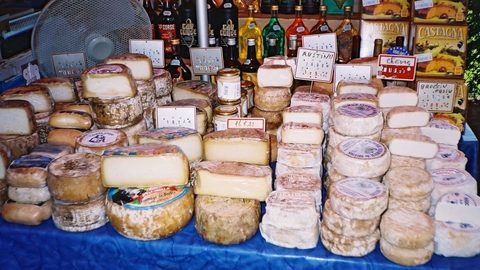 Eating in Ajaccio and the Gravona Valley, from Charcuterie to Chestnut Cake
Explore Ajaccio's food scene from the vibrant central market to farm restaurants in the Gravona Valley, focusing on local charcuterie, brocciu cheese, and chestnut flour desserts.
Eating in Ajaccio and the Gravona Valley, from Charcuterie to Chestnut Cake
Explore Ajaccio's food scene from the vibrant central market to farm restaurants in the Gravona Valley, focusing on local charcuterie, brocciu cheese, and chestnut flour desserts.
-
 French Wine Regions and How a Trip Through Them Actually Works
How to plan a multi-region French wine trip that connects the dots between vineyards without spending every day driving, with Languedoc as the value-driven heart.
French Wine Regions and How a Trip Through Them Actually Works
How to plan a multi-region French wine trip that connects the dots between vineyards without spending every day driving, with Languedoc as the value-driven heart.
-
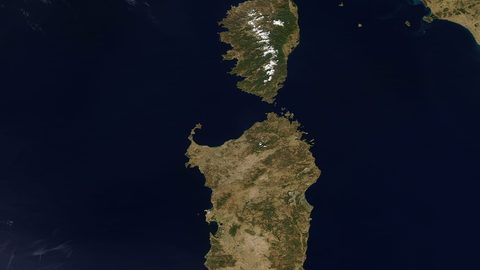 Corsica vs Sardinia Wine Two Island Wine Cultures Compared
Corsica or Sardinia for a wine trip: comparing the AOC and DOC systems, Patrimonio versus Cannonau, and the driving routes across two distinct island wine cultures.
Corsica vs Sardinia Wine Two Island Wine Cultures Compared
Corsica or Sardinia for a wine trip: comparing the AOC and DOC systems, Patrimonio versus Cannonau, and the driving routes across two distinct island wine cultures.