Corsica or Sardinia: Two Islands, Two Wine Cultures
Corsica or Sardinia for a wine trip: comparing the AOC and DOC systems, Patrimonio versus Cannonau, and the driving routes across two distinct island wine cultures.

.jpg)
Corsica or Sardinia: Two Islands, Two Wine Cultures
The wrong assumption is that two Mediterranean islands separated by 11 kilometres of water produce similar wines. They do not. Corsica and Sardinia share a sea, a latitude, and a summer heat that punishes late afternoon tasting. But their wine cultures split on the axis of identity. Corsica is a French wine region that happens to be an island. Sardinia is an Italian island that happens to make wine. That distinction drives everything: the grapes you drink, the roads you drive, the meals you pay for, and the kind of trip you book.
Corsica works 5,700 hectares of vineyard through nine AOC appellations, a French system that prizes place over grape name. Sardinia farms 26,000 hectares across 17 DOCs and one DOCG, an Italian system that rewards variety and volume. The scale mismatch is the first clue. Corsica is small enough to taste across the island in a week. Sardinia demands multiple bases and patient driving. One feels like a focused wine region. The other feels like a country that also makes wine.
The Grapes That Define Each Island
Corsica's signature red grape is Niellucciu. DNA profiling between 2004 and 2007 confirmed it is identical to Sangiovese. Drink a Patrimonio red and you are drinking a Tuscan grape grown on granite and limestone under a French AOC umbrella. The island's other native red, Sciaccarellu, has no confirmed genetic match to any Sardinian variety. It is genuinely Corsican, producing pale, peppery, elegant wines in the Ajaccio zone. Sardinia's flagship red is Cannonau, and the DNA evidence is clear: Cannonau is Grenache, the same grape that covers the southern Rhône. Sardinia makes it fuller, higher in alcohol, and more rustic than the French version, but it is the same variety. On the white side, Vermentino is the shared grape, identical to Corsican Vermentinu, likely originating in Liguria or Sardinia. The islands share genetic threads. The wines taste different because the winemaking philosophies differ.
The Driving Reality
You will spend significant time in a car. Corsica's signature drive is the D80 Cap Corse corniche, a narrow road clinging to cliffs above the sea. Hairpins demand full attention. Frequent stops for views are not optional, they are the point. The complete Bastia, Ajaccio, Bonifacio, Bastia loop runs about 500 kilometres and takes 8 to 9 hours of pure driving time. That is a manageable week. Sardinia's equivalent loop, Cagliari, Olbia, Alghero, Cagliari, stretches to 700 kilometres and 10 to 11 hours. The distances are longer, the wineries more spread out, and you lose time navigating coastal resort traffic. Corsica rewards the driver who wants density. Sardinia rewards the driver willing to cover ground.
| Factor | Corsica | Sardinia |
|---|---|---|
| Vineyard Area (2023) | ~5,700 ha | ~26,000 ha |
| Appellation Count | 9 AOCs (1 regional, 8 sub-regional) | 17 DOCs + 1 DOCG |
| Signature Red Grape | Niellucciu (identical to Sangiovese) | Cannonau (identical to Grenache) |
| Wine Tourism Infrastructure | ~100–120 domaines with tasting rooms; no official route signage | 20+ Strade del Vino routes; ~200+ wineries open to public |
| Driving Loop (approx.) | 500 km / 8–9 hours | 700 km / 10–11 hours |
| Beach Type Mix | ~60% sand, ~40% pebble/cove | Sandy beaches dominant; Costa Smeralda has 55+ named sandy beaches |
| Mid-Range 3-Course Dinner | €30–€50 per person | €25–€45 per person |
| Peak Summer Double Room | €120–€350/night | €80–€500+/night (Costa Smeralda: €500–€2,000+) |
| Wine-Led Trip Suitability | High (compact, high domaines per km²) | Moderate (large area, wineries dispersed) |
| Beach-Led Trip Suitability | High (dramatic coves, fewer crowds) | Very high (long sandy stretches, more infrastructure) |
The Wine Tourism Experience
Corsica has roughly 100 to 120 domaines with tasting rooms and no official wine route signage. Navigate by instinct, by a recommendation from your guesthouse, or by pulling over when you spot a caveau sign. That scarcity of infrastructure is not a flaw. It keeps tasting personal. A domain owner in Patrimonio or Sagone might spend 40 minutes with you because no busload is scheduled for 11:00. Sardinia offers over 200 wineries open to the public and 20 official Strade del Vino with signposted itineraries. The system is more polished. You can plan a route, book ahead, and taste efficiently. But efficient tasting is not always memorable tasting.
Book your Corsica tasting between 10:00 and 12:00. Many domaines close for a long midday break and reopen around 15:00. In Sardinia, the afternoon break is also common. Taste before lunch or late afternoon. On both islands, July and August heat makes midday outdoor tasting punishing. Arrive by 09:30 and finish by 12:30, then spend the hot hours at a beach or a pool.
Food Pairings
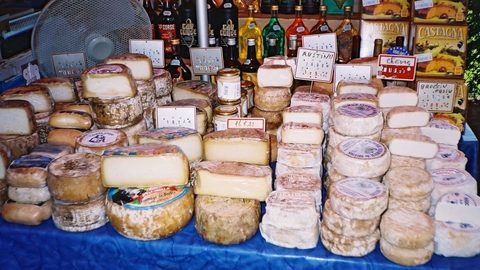
Corsica's cooking is French with an Italian accent. Expect charcuterie from the Nustrale pig, brocciu cheese (not a pecorino), and seafood from the Gulf of Ajaccio. A meal costs €30 to €50 for three courses without wine. Sardinia's cooking is Italian with a Spanish undercurrent. Pane carasau, pecorino sardo, bottarga, and porceddu fill the table. A mid-range dinner runs €25 to €45 per person. Sardinia is cheaper at the table, but the Costa Smeralda premium pushes a hotel room past €500 a night in August. Corsica's peak-summer double room tops out around €350. Budget-conscious and wine-focused? Corsica gives you better value per euro.
The Beaches and the Backdrop
Corsica's coastline runs about 1,000 kilometres, with roughly 60 percent sand beaches and 40 percent pebble coves. The beaches back onto mountains. Monte Cinto rises to 2,706 metres, visible from the sea. You get drama and intimacy. Sardinia's coastline is nearly double, at 1,849 kilometres, and its beaches are overwhelmingly sandy. The Costa Smeralda alone has 55 named sandy beaches. Sardinia wins on pure beach infrastructure and variety. But if you want a wine trip where a glass of Niellucciu follows a morning swim in a cove reachable only by foot, pick Corsica. Sardinia spreads its pleasures over a larger area. You will spend more time driving between them.
A beach-led trip suits Sardinia better. A wine-led trip suits Corsica better. That is the honest trade-off.


Worth it if
- Corsica: compact driving loop with high density of domaines; 500 km covers the island.
- Corsica: personal, unhurried tastings with owners who have time for a conversation.
- Corsica: mountain-backed coves and fewer crowds on the beach.
- Sardinia: larger vineyard area and more wineries open to the public.
- Sardinia: official Strade del Vino routes make planning straightforward.
- Sardinia: lower restaurant prices and dominant sandy beaches.
Skip it if
- Corsica: no official wine route signage; you need to research domaines in advance.
- Corsica: fewer wineries overall than Sardinia (120 vs. 200+).
- Sardinia: 700 km loop requires multiple bases and longer drives between tastings.
- Sardinia: Costa Smeralda prices spike hard in August (€500–€2,000+/night).
Read next
-
 Where to Stay in Ajaccio for a Corsican Wine Trip
Where to stay in Ajaccio for a Corsican wine trip: portside hotels, countryside domaine guest rooms, and Sanguinaires coast options for different trip styles.
Where to Stay in Ajaccio for a Corsican Wine Trip
Where to stay in Ajaccio for a Corsican wine trip: portside hotels, countryside domaine guest rooms, and Sanguinaires coast options for different trip styles.
-
 Best Time to Visit Ajaccio for Wine, Walking and a Quiet Swim
A seasonal guide to visiting Ajaccio and West Corsica, comparing the crowded summer beach months with the ideal spring and autumn windows for wine tasting and hiking.
Best Time to Visit Ajaccio for Wine, Walking and a Quiet Swim
A seasonal guide to visiting Ajaccio and West Corsica, comparing the crowded summer beach months with the ideal spring and autumn windows for wine tasting and hiking.
-
 Getting Around Corsica Car Rental Roads and Driving Tips
Getting around Corsica for a wine trip: why a rental car is essential, how to book an automatic in advance, and what to expect on the D80 Cap Corse corniche and mountain roads.
Getting Around Corsica Car Rental Roads and Driving Tips
Getting around Corsica for a wine trip: why a rental car is essential, how to book an automatic in advance, and what to expect on the D80 Cap Corse corniche and mountain roads.
-
 Eating in Ajaccio and the Gravona Valley, from Charcuterie to Chestnut Cake
Explore Ajaccio's food scene from the vibrant central market to farm restaurants in the Gravona Valley, focusing on local charcuterie, brocciu cheese, and chestnut flour desserts.
Eating in Ajaccio and the Gravona Valley, from Charcuterie to Chestnut Cake
Explore Ajaccio's food scene from the vibrant central market to farm restaurants in the Gravona Valley, focusing on local charcuterie, brocciu cheese, and chestnut flour desserts.
-
 French Wine Regions and How a Trip Through Them Actually Works
How to plan a multi-region French wine trip that connects the dots between vineyards without spending every day driving, with Languedoc as the value-driven heart.
French Wine Regions and How a Trip Through Them Actually Works
How to plan a multi-region French wine trip that connects the dots between vineyards without spending every day driving, with Languedoc as the value-driven heart.