Burgundy or Bordeaux for a First Wine Trip
A practical guide to Burgundy or Bordeaux for a First Wine Trip.
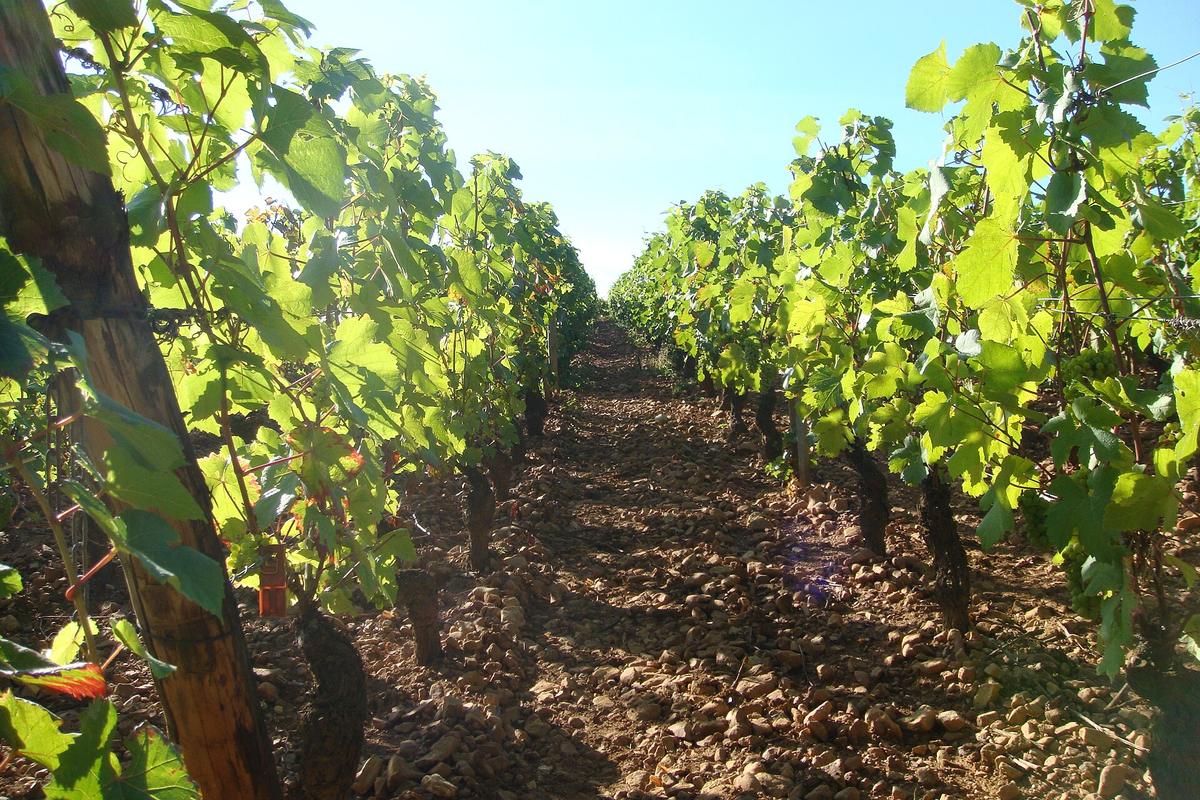

What makes the choice matter for a first trip
Choosing between Burgundy and Bordeaux for a first wine trip is not a question of which region is better. It is a question of which kind of experience fits the traveller you are. The two regions sit at opposite ends of the French wine travel spectrum, and the differences start long before the first glass is poured.
Bordeaux operates on a grand scale. Its vineyard is the largest AOC area in France, covering 103,200 hectares across 65 appellations. More than 5,000 wine-producing properties dot the landscape, and the region alone accounts for roughly 14 percent of total French wine production. Burgundy, by contrast, works in miniature. Its 30,000 hectares of AOC vineyards represent about 4.5 percent of the French total, and the average estate is a compact 8 hectares, compared with roughly 20.5 hectares for a typical Bordeaux property.
Scale shapes the visitor experience in practical ways. In Bordeaux, you can join a half-day coach tour from the city centre and visit châteaux that are set up for regular hospitality. In Burgundy, the fragmented ownership means many domaines are small family operations where visits often require advance planning and a more personal approach. Neither is inherently better, but they reward different temperaments.
The shape of the land and how you move through it
Burgundy's wine geography is linear and legible. The Route des Grands Crus, created in 1937 and the oldest wine route in France, runs roughly 60 kilometres from Dijon in the north to Santenay in the south. It threads through 37 wine-growing villages across the Côte de Nuits and Côte de Beaune, passing 32 of Burgundy's 33 Grand Cru vineyards along the way. For a first-time visitor, this ribbon of road provides a natural itinerary. You can follow it by car or bicycle and watch the landscape shift from the powerful reds of the Côte de Nuits to the great whites of the Côte de Beaune within a single afternoon.
Bordeaux does not offer a single defining route in the same way. Its appellations radiate outward from the city in distinct blocks: the Médoc to the north along the Gironde estuary, Saint-Émilion and Pomerol to the east, Graves and Sauternes to the south. Each area has its own topography, architecture and visitor rhythm. The advantage for a first trip is variety within one stay. The tradeoff is that you cannot absorb the whole region in a single drive. You need to choose your zones and accept that you will leave others for a future visit.
UNESCO status and what it signals to a visitor
Both regions hold UNESCO World Heritage designations, but they celebrate different things. The Jurisdiction of Saint-Émilion was inscribed in 1999 as the first vineyard landscape ever listed by UNESCO. The designation covers not just vines but the historic town, its monolithic church and the surrounding countryside, making a visit here as much about medieval stone as about wine.
Burgundy's UNESCO inscription came later, in 2015, and covers the Climats: the precisely delineated vineyard parcels that express differences in soil, slope and exposure sometimes over distances of only a few hundred metres. The listing recognises a cultural landscape shaped by centuries of human observation and labour. For a traveller, the practical takeaway is that Burgundy rewards close looking. Standing in a single Grand Cru vineyard and understanding why it differs from its neighbour is the intellectual heart of the trip.
Arrival and the first hours on the ground
Both regions are reachable from Paris by high-speed train in roughly two hours, though the journeys differ in character. The fastest TGV from Paris Montparnasse to Bordeaux Saint-Jean takes about two hours and two minutes, with direct services available. The fastest connection from Paris Gare de Lyon to Beaune takes approximately two hours and five minutes and typically requires a change at Dijon. Neither journey is difficult, but the direct train to Bordeaux removes one logistical step on a first trip.
Once you arrive, the cities themselves set a different tone. Bordeaux is a large regional capital with a recently restored eighteenth-century centre, a riverside promenade and a dedicated wine museum. La Cité du Vin houses a 3,000-square-metre permanent exhibition. An average visit lasts two to three hours, and the museum is open daily from 10:00, though seasonal hours apply and the venue closes for maintenance for one week in late January. Burgundy's answer is the Cité des Climats et Vins de Bourgogne in Beaune, which opened in spring 2023 as the largest of three regional interpretation centres. It offers a 1,200-square-metre immersive tour and a wine school run by the École des Vins de Bourgogne.
For a traveller who wants to arrive and immediately immerse themselves in wine culture without leaving the city, Bordeaux's Cité du Vin is the larger and more established facility. Beaune's centre is newer and more tightly focused on Burgundy's specific story. Both are worth visiting, but they serve different appetites for scale.
The practicalities of tasting and touring
Bordeaux has built a structured wine tourism industry that is easy for a first-timer to navigate. Group tours departing from the city centre cover major appellations such as Saint-Émilion, the Médoc, Graves and Sauternes. A half-day coach tour starts at approximately €55, while a full-day small-van tour reaches around €195. These are bookable through the official Bordeaux Tourism platform, and prices and availability shift by season and operator.
Burgundy's tasting landscape is less centralised. Many domaines are small, and visits can feel more intimate and less transactional. The tradeoff is that spontaneity is harder. A traveller who prefers to book everything in advance and follow a set schedule may find Bordeaux's tour infrastructure reassuring. A traveller who enjoys the research and correspondence required to arrange private visits may find Burgundy more rewarding.
Which region suits which traveller
Choose Bordeaux if you want a city-based wine holiday with grand architecture, easy access to group tours and the ability to visit famous châteaux without extensive pre-planning. The direct train from Paris, the scale of the Cité du Vin and the range of bookable excursions make it the smoother on-ramp for a first French wine trip.
Choose Burgundy if you are drawn to the idea of a journey along a historic wine route, value the intimacy of small domaines and want to engage with the precise patchwork of terroir that earned UNESCO recognition. The Route des Grands Crus gives the trip a natural narrative spine, and Beaune provides a compact, walkable base with a new interpretive centre that anchors the experience.
Neither region will disappoint a curious traveller. The right choice depends on whether you prefer your wine education served in a grand château hall or in a cellar doorway with the winemaker standing beside you.
Sources and verification
- routedesgrandscrusdebourgogne.com — Research source checked for this guide
- beaune-tourism.com — Research source checked for this guide
- whc.unesco.org — Research source checked for this guide
- saint-emilion-tourisme.com — Research source checked for this guide
- vins-bourgogne.fr — Research source checked for this guide
- bordeaux.com — Research source checked for this guide
Read next
-
 Wine Tasting Road Trips in France Without Drinking and Driving
A practical guide to Wine Tasting Road Trips in France Without Drinking and Driving.
-
 French Wine Regions During Harvest What Visitors Can Actually Do
A practical guide to French Wine Regions During Harvest What Visitors Can Actually Do.
-
 Jura Wine Villages A Car Free Tasting Route
A practical guide to Jura Wine Villages A Car Free Tasting Route.
-
 A Four-Day Road Trip Through Corbières and Minervois Wine Country
Plan four days through Corbières and Minervois, with village stops, realistic drives, cellar bookings, regional food, and welcoming overnight bases.
-
 A Gascony Wine Road Trip Through Madiran and the Armagnac Villages
Plan four days through Madiran, Montréal-du-Gers and Eauze, with cellar hours, manageable drives, village stays and Gascon food stops.