Eating the Étang de Thau in Sète from Oyster Barges to Tielle Stalls
Taste Sète through its briny oysters from the Étang de Thau, spicy tielles, and fishermen's macaronade in the canalside markets and dockside eateries.
Eating the Étang De Thau in Sète from Oyster Barges to Tielle Stalls
Forget Marseille. Forget Nice. The seafood in Sète is a different animal. The difference is the Étang de Thau, the saltwater lagoon that feeds the town's kitchens directly, and the canal network threading through the Quartier de la Pointe Courte like a working artery. No other French Mediterranean port eats from its own backyard this way. The oysters come from beds 14 kilometres north, pulled from the lagoon that morning. The octopus in the tielle was landed at the Criée auction hall hours earlier. The squid for macaronade is the same species the fishermen haul from the same basin. Sète's food is a closed loop, Italian and Catalan in lineage, stubbornly independent in practice.
Eating Oysters on the Quayside Barges in the Quartier De La Pointe Courte
Buy Direct From The Producers
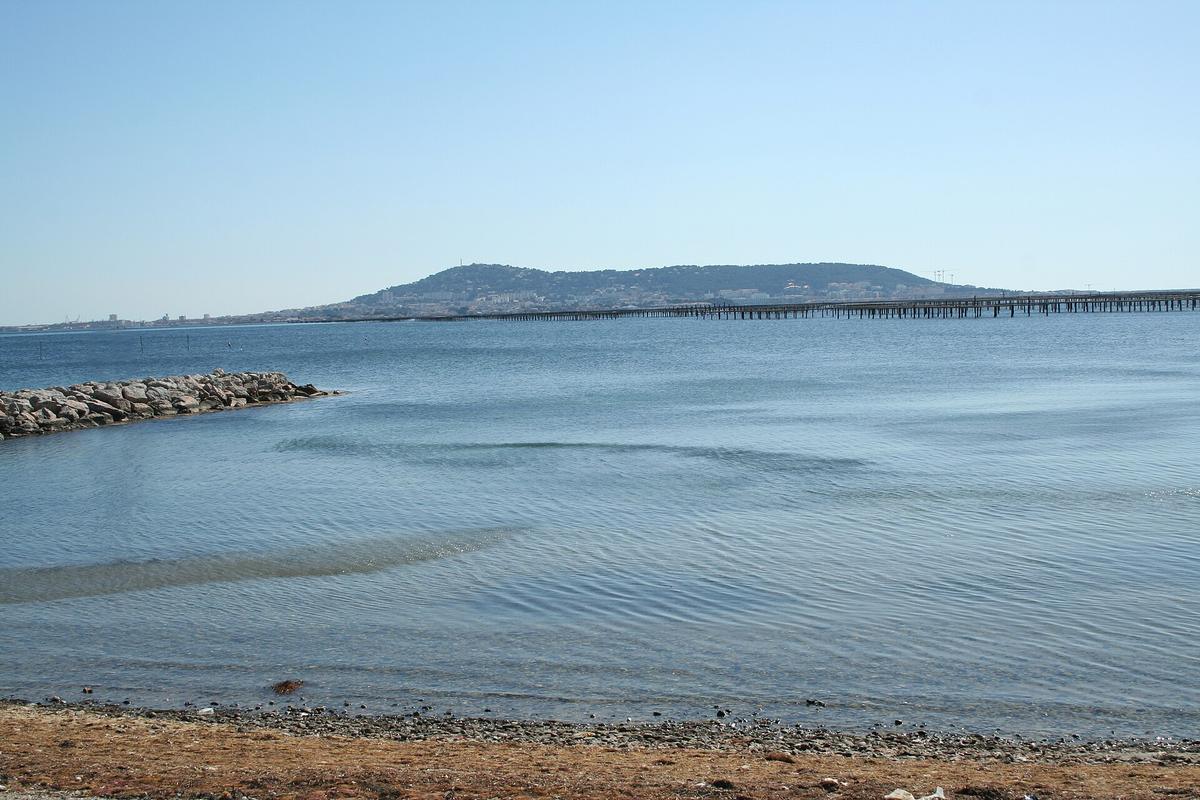
Walk into the Quartier de la Pointe Courte, the fishing neighbourhood at the eastern edge of the Étang de Thau, and you find oyster barges moored directly against the quay. These are working sheds, not restaurants. Sit at a plastic table on the dock, the lagoon a metre away, and eat the oysters right there. The price at a lagoon producer's direct-sale counter in the 2025, 2026 season runs €6.50 to €9.00 per dozen for a size 3, €8.00 to €12.00 for a size 2, €10.00 to €14.00 for a size 1, and €13.00 to €17.00 for a size 0. You pay less than half what you pay in town. At a Sète restaurant the same dozen costs €14.00 to €22.00.
A tasting plate with a glass of Picpoul de Pinet at a lagoon producer runs €8.00 to €14.00 in the 2025, 2026 season. Buy the wine at the cellar door for €5.50 to €9.00 a bottle, or at a Sète wine shop for €7.00 to €12.00. A glass in a Sète bar costs €3.00 to €5.00. The producers sell direct year-round, with a peak season from September through April when the oysters are fattest.
When To Go And How To Get There
Standard hours are 09:00 to 12:00 and 14:00 to 18:00 daily, closed Sunday afternoon in 2026. Verify that before you go, because the Sunday closure catches people out. The lagoon producers are 14 kilometres from Sète. Take bus line 10, about 35 minutes. The failure case: if you arrive at 18:05, you miss the sale. The barges pack up. Eat in town at restaurant prices instead.
The Tielle Sétoise: Octopus Pie from a Bakery Counter
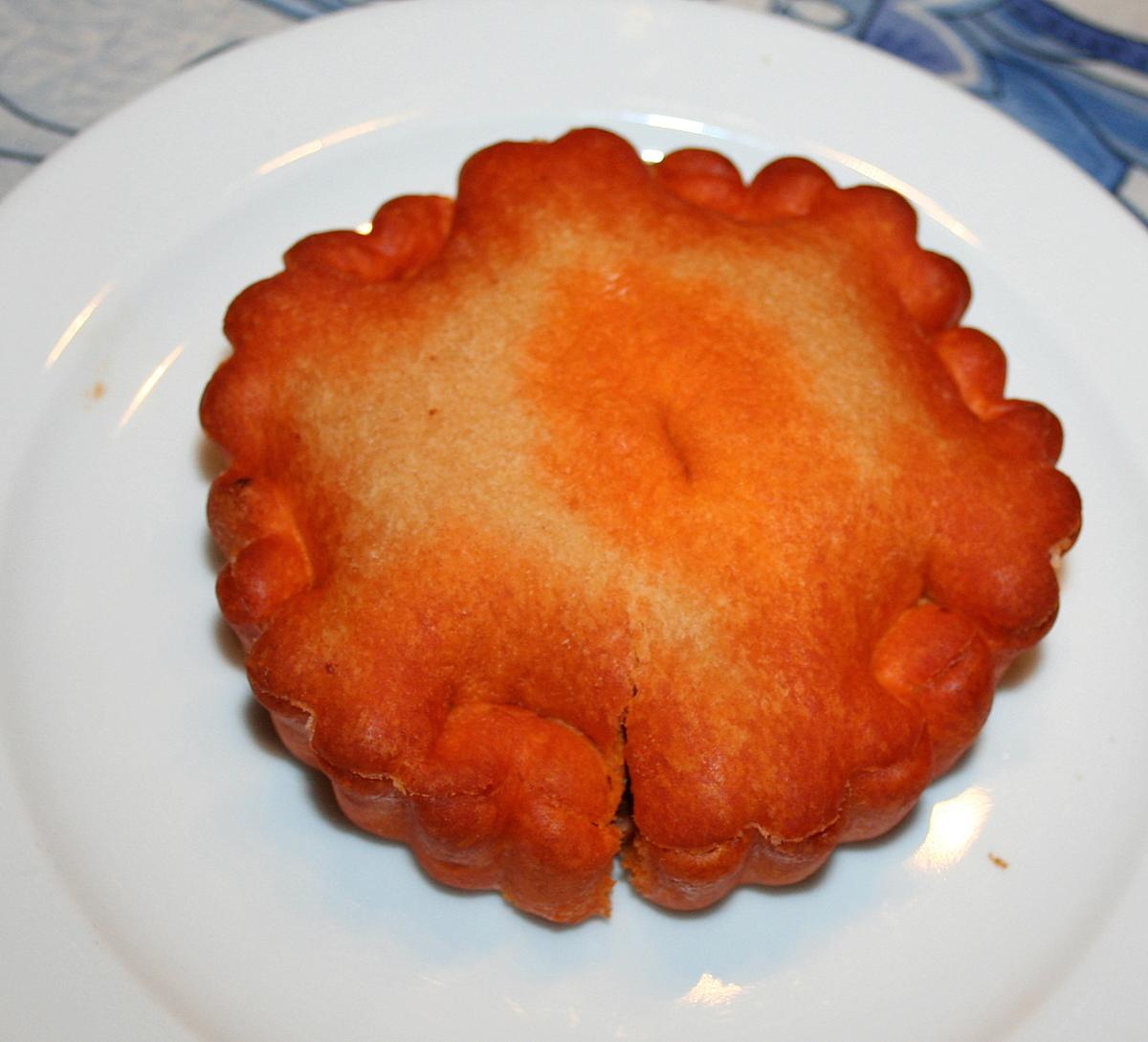
The tielle sétoise is a spiced octopus pie, and it is the single item that defines Sète's street food. It has nothing to do with bouillabaisse or the pissaladière of Nice. The filling is octopus braised with tomatoes, garlic, and a chilli kick that comes from the Italian and Catalan influence on the port. The pastry is a thin, firm shell that holds together in your hand. Do not sit down for a tielle. Buy it from a bakery or a market stall, wrap it in paper, eat it standing up.
Choose Your Bakery And Arrive Early
Three bakeries claim the original recipe. Cianni opened in 1937. Azaïs opened in 1960. Dassé opened in 1965. Cianni sells individual tielles at 9 centimetres, a medium at 18 centimetres, and a family size at 30 centimetres. Dassé offers an individual 10-centimetre version and a 28-centimetre family size. The price in 2025 at a bakery is €3.50 to €5.50 per individual tielle. At a market stall it is €3.00 to €5.00. The failure case: bakeries bake tielles in batches and sell out by noon. The dinner crowd buys early. Go before 10:00 to guarantee a warm individual tielle, or risk a cold one from the display at 14:00.
Macaronade: the Squid Dish You Cannot Find Outside Sète
Macaronade is the local pasta dish built around squid, and it is not a variation of anything else on the Mediterranean coast. The squid is cut into rings, simmered in a tomato sauce with white wine and garlic, then tossed with macaroni. The dish is heavy, direct, and cheap for what you get. As a main course in a Sète restaurant in 2025, it costs €14.00 to €22.00. The dish works because the squid comes direct from the Étang de Thau that morning, not from a freezer in Rungis.
See The Catch Before You Eat It
Visit the Sète fish market, the Halles de Sète, open Tuesday to Sunday from 07:00 to 13:30. Closed Monday. The Criée auction hall allows visitor viewing from 04:30 to 06:30 Tuesday through Friday, but these hours were annual in the fact sheet and you must verify them before going. If you show up at 06:45, the auction is over. The fish are already in the restaurant kitchens.
| Item | Direct Source Price | Restaurant or Market Price | Notes |
|---|---|---|---|
| Lagoon oysters (size 3, dozen) | €6.50–€9.00 | €14.00–€22.00 (town restaurant) | Buy direct to save 50% or more |
| Lagoon oysters (size 2, dozen) | €8.00–€12.00 | Same | Larger size, similar saving |
| Lagoon oyster tasting plate with Picpoul | €8.00–€14.00 | N/A | At producer, not in town |
| Tielle sétoise (individual) | €3.00–€5.50 | Same | Bakery vs market stall; bakery more reliable |
| Macaronade (main course) | N/A | €14.00–€22.00 | Restaurant only, no direct source |
| Picpoul de Pinet bottle | €5.50–€9.00 (cellar) | €7.00–€12.00 (wine shop) | Buy at Pinet village for best price |
The Italian and Catalan Influence, Filtered Through a Fishing Port
The tielles claim lineage from Genoese fisherman who settled in Sète. The macaronade uses a pasta shape that would not be out of place in Liguria. The Picpoul wine that cuts through the oysters comes from the Pinet area, 18 kilometres from Sète, reachable by train to Agde in 12 minutes then a taxi or seasonal bus. Sète is not a prettified tourist port. It is a working harbour where the fishing fleet still delivers to the same market that opened in 1903. The food is the evidence. You do not eat well here because the restaurants try hard. You eat well because the raw material comes from the same bit of water the fishermen have worked for centuries. That is the difference from Marseille, where the fish travels 30 kilometres from the Mediterranean to the plate. In Sète, the distance is measured in metres from the Étang.
Frequently Asked Questions About Sète Seafood Specialties
What is the difference between lagoon oysters and other French oysters?
Lagoon oysters come from the Étang de Thau, a shallow, warm lagoon that produces a briny but not overwhelmingly saline oyster with a greenish shell. They are sold directly from the producer at prices between €6.50 and €17.00 per dozen depending on size in the 2025, 2026 season.
Can I visit the lagoon oyster producers without a car?
Yes. Take bus line 10 from Sète. The journey takes about 35 minutes. The producers are clustered along the quay and most sell directly from 09:00 to 12:00 and 14:00 to 18:00 daily, closed Sunday afternoon.
Which bakery sells the original tielle sétoise?
Cianni opened in 1937, Azaïs in 1960, and Dassé in 1965. All three claim the original recipe. Cianni and Dassé offer individual and family sizes. The individual tielle costs €3.50 to €5.50.
How much does a macaronade cost in a Sète restaurant?
A macaronade main course costs €14.00 to €22.00 in 2025. The price depends on the restaurant and whether the squid is fresh or frozen, though most working-class places use fresh local squid.
When is the Sète fish market open?
The Halles de Sète is open Tuesday to Sunday from 07:00 to 13:30. It is closed on Monday. The Criée auction hall allows visitor viewing from 04:30 to 06:30 Tuesday to Friday, but you must verify these hours before going.
What wine goes with Sète's seafood?
Picpoul de Pinet. It is a crisp white wine grown 18 kilometres from Sète. A bottle at the producer's cellar door costs €5.50 to €9.00 in 2025. A glass in a Sète bar costs €3.00 to €5.00.
Is Sète seafood cheaper than in other French Mediterranean ports?
It is cheaper than Marseille or Nice for oysters and tielles because you buy direct from the producer. A dozen lagoon oysters costs €6.50 to €17.00 at the source versus €14.00 to €22.00 in a Sète restaurant. The saving is 50 to 70 percent.